
Last updated October 16, 2026
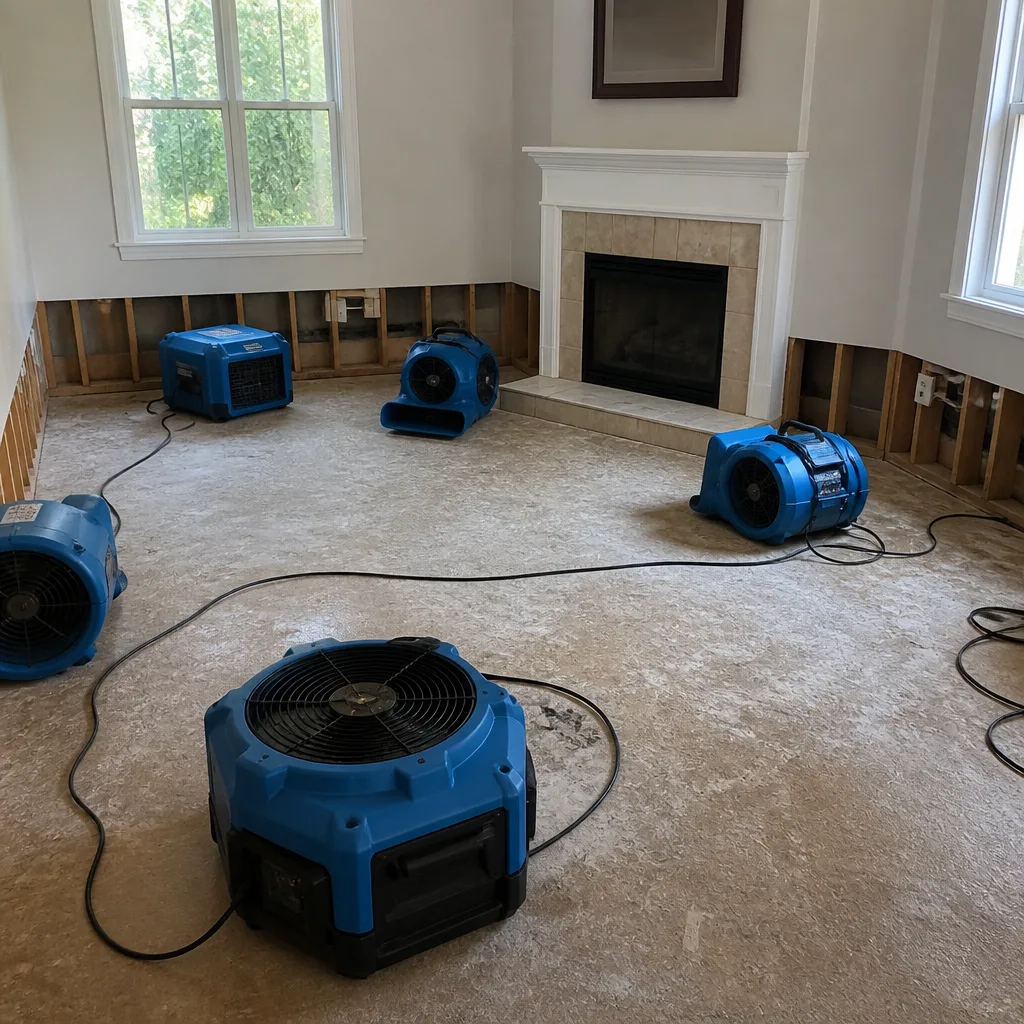 Water damage drying
 Fire & smoke cleanup
 Mold remediation
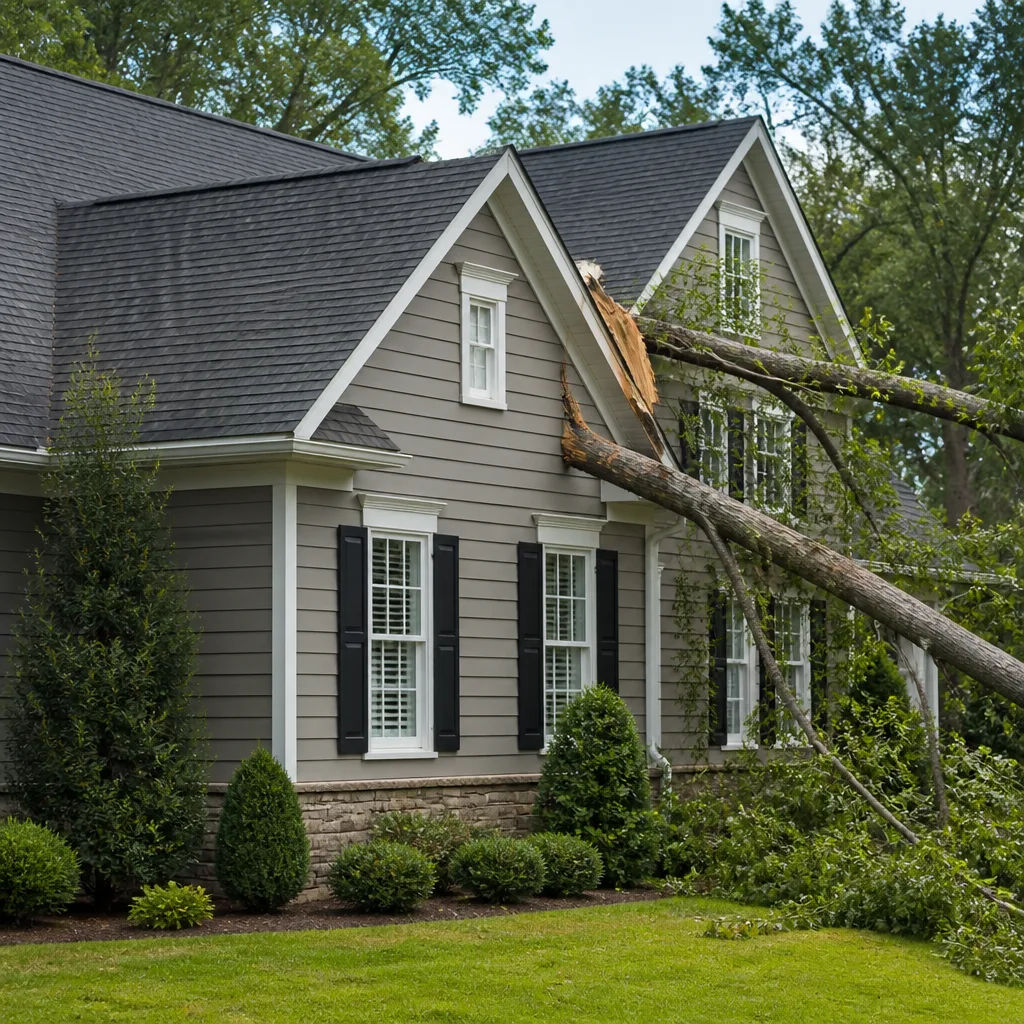 Storm response
 Sewage cleanup
 Reconstruction
Free visual inspection and a written scope of work before any mitigation begins - photos, moisture readings, and drying logs go in your claim file
The scope we write is the scope we bill. Anything new gets shown to you, in writing, before we touch it.
Get your free estimateDIY vs Professional Damage Restoration: The Torrance Homeowner’s Decision Guide
Here’s a fact most Torrance homeowners don’t learn until it’s too late: a homeowner who performs mold remediation on an area larger than 10 square feet without following Cal/OSHA containment standards can be held liable if a later inspection finds cross-contamination. And their insurance company can deny the claim on the grounds that improper remediation created a new covered event caused by the policyholder. This guide is not another cost comparison between renting a fan and hiring a pro-check our more guides & resources if that’s what you need. It’s a legal and practical map of which restoration tasks a Torrance homeowner can safely self-perform, which ones void coverage if done wrong, and which ones create liability under California law.
Quick Answer
The real question isn’t DIY versus professional restoration. It’s which specific tasks are legally permissible for a homeowner to perform, which ones void insurance coverage if done incorrectly, and which ones create liability under California law if they affect a neighbor or future buyer. For water extraction, content removal, and temporary weatherproofing, a careful Torrance homeowner can self-perform within clear limits. For structural drying, mold remediation beyond 10 square feet, fire cleanup, and anything involving sewage or Category 3 water, California code and insurance policy language effectively mandate professional restoration work.
Restoration work we handle
Table of Contents
- The California Legal Threshold: What a Homeowner Can Legally Self-Perform
- Insurance Policy Language: The ‘Reasonable Means’ Clause and Your Claim
- The Tools and Training Gap: Why Your Dehumidifier Isn’t Enough
- The Three DIY Tasks That Are Genuinely Low-Risk
- Resale Disclosure: California Civil Code 1102 and Your Remediation History
- Common Mistakes to Avoid
- When to Call a Professional
- Frequently Asked Questions
The California Legal Threshold: What a Homeowner Can Legally Self-Perform
California draws a hard line between what a homeowner can legally do and what requires professional restoration. The line is not based on how handy you are, how much money you want to save, or how confident you feel on a Saturday morning. It’s based on square footage, contamination category, and the environmental safety standards codified in Cal/OSHA regulations.
For mold, the threshold is 10 square feet. Below that, a homeowner can legally clean visible mold themselves using standard protective equipment and household cleaning agents. Above 10 square feet, Cal/OSHA containment standards apply. That means full containment barriers, negative air pressure, HEPA filtration, and written documentation of the remediation process. A Torrance homeowner who remediates a 40-square-foot mold colony in a crawl space without containment is not saving money. They’re creating a liability event that a future inspector can flag, and an insurer can use as grounds for claim denial.
For water damage, the threshold is less about square footage and more about water category. The IICRC S500 standard, which California restoration professionals follow, divides water into three categories:
- Category 1 (clean water): From a broken supply line, a leaking water heater, or rainwater that hasn’t touched contaminated surfaces. Homeowner extraction with a wet-vac is reasonable for small areas.
- Category 2 (gray water): From washing machines, dishwashers, or sump pump failures. Contains significant contamination. Professional extraction and antimicrobial treatment are recommended.
- Category 3 (black water): Sewage backups, flood water from outside, or any water that has sat long enough to support bacterial growth. This is a biohazard. Professional remediation is not optional under any responsible interpretation of California law or insurance policy language.
What this means in practical terms for Torrance homeowners: if your water heater ruptures in the garage and you catch it within the hour, you can legally and safely extract the standing water yourself. If the same rupture happens while you’re at work and water sits for eight hours, the water has likely degraded toward Category 2 or 3, and the threshold has shifted. Time is a contaminant. Every hour water sits, it moves up the category scale.
California Health and Safety Code sections on mold and indoor air quality also impose duties on property owners. If you rent out part of your Torrance home, or if you plan to sell within a few years, the legal expectation of professional remediation becomes stricter still. A tenant who develops respiratory illness and can point to DIY mold work is a liability you don’t want to own.
Insurance Policy Language: The ‘Reasonable Means’ Clause and Your Claim
Almost every homeowner’s insurance policy in California contains language requiring the policyholder to take “reasonable means” to mitigate further damage after a covered event. This clause cuts both ways. It requires you to act quickly. It also requires you to act competently.
If a pipe bursts in your Torrance home and you do nothing while water spreads through drywall and flooring, your insurer can reduce the payout for any damage that occurred because you failed to mitigate. That’s the “reasonable means” clause working against inaction. But the same clause also works against DIY work that goes beyond what a reasonable homeowner should attempt.
Here’s the language pattern you’ll find in most policies: the insurer agrees to pay for direct physical loss, provided the policyholder takes reasonable steps to protect the property from further damage. Note the word “reasonable.” It doesn’t say “heroic” or “professional-grade” or “whatever you can manage with tools from Harbor Freight.” It says reasonable. And when a claim reaches an adjuster’s desk, the adjuster evaluates whether the mitigation work you performed meets the standard a reasonable person would have met under the circumstances.
When a Torrance homeowner uses a consumer dehumidifier and a box fan to “dry” a Category 2 water loss, here’s what happens during the claim review: the adjuster checks moisture readings, looks at the drying time, reviews photographs, and asks whether the homeowner’s actions prevented secondary damage or contributed to it. If walls were not properly dried and mold developed six weeks later, the insurer’s position is often this: the original water damage was covered, but the mold growth is a new event caused by inadequate mitigation. And that new event, they’ll argue, is excluded because it resulted from the policyholder’s failure to take reasonable means.
This is why professional restoration companies in Torrance, including water damage restoration in Torrance at Keegan Restoration, document everything. Photographs, moisture readings, daily drying logs, equipment placement records. That documentation is what insulates your claim from the “inadequate mitigation” denial. When we dry a structure, we hand you a file with moisture-content readings taken in every affected room, showing the progression from saturated to dry across a defined period. That file is formatted to match what your adjuster needs to process the claim without friction.
A homeowner who extracts water with a shop vac and runs a rental fan has no such file. When the adjuster asks for proof the structure was dried to standard, the homeowner has nothing but a receipt and a memory. That’s a weak position.
The Tools and Training Gap: Why Your Dehumidifier Isn’t Enough
The most common misconception we hear from Torrance homeowners is that drying a wet room is a matter of moving air until things feel dry to the touch. It isn’t. Surface-dry and actually-dry are different conditions, and the gap between them is where mold grows.
The IICRC S500 standard defines target moisture content for different building materials. Drywall should read below a specific moisture percentage. Wood framing below another. Concrete slab below another still. These numbers exist because water wicks into porous materials and sits there, invisible, for weeks. A consumer dehumidifier pulls moisture from the air. That’s useful. But it does not pull moisture from inside wall cavities, under baseboards, or from the bottom plate of a wall where drywall meets concrete.
Professional drying equipment is a different category. Brands like Dri-Eaz and Phoenix build dehumidifiers that remove liters of water per day, not pints. Air movers create directional airflow across specific surfaces, not general room circulation. And most importantly, professionals use moisture meters and psychrometrics, the science of air and moisture behavior, to measure progress against a documented drying standard. You don’t know when the job is done because you can’t know when the job is done without instruments. You’re guessing. Guessing is how a $4,000 water mitigation turns into a $28,000 mold remediation.
Here’s what a professional drying setup in a typical Torrance water loss looks like:
- Extraction: Standing water is removed with truck-mounted or portable extraction units rated for hundreds of gallons per hour. Wet-vacs remove surface water, not water that has migrated under cabinets or into subflooring.
- Containment and airflow: The affected area is isolated where needed. Air movers are positioned to create a vortex of low-humidity air across every wet surface. This is a positioning science, not a point-and-plug operation.
- Dehumidification: A commercial dehumidifier rated for the cubic footage of the affected space runs continuously, pulling water out of the air at a rate a consumer unit can’t approach.
- Monitoring: Daily moisture readings are taken from multiple points: the wall cavity, the floor surface, the subfloor, the framing. The job is not complete until every reading meets the S500 target for that material.
- Documentation: Every reading goes into a drying log. That log becomes part of your insurance file. That log is the difference between a clean claim and a contested one.
In our experience in Torrance, the homes that develop mold after a water loss are almost always homes where someone stopped drying when the carpet felt dry. Moisture hides. Professional drying finds it and removes it with instruments, not intuition.
The Three DIY Tasks That Are Genuinely Low-Risk
None of this means a Torrance homeowner is powerless when water appears. There are three mitigation tasks that are genuinely appropriate for a homeowner to perform, provided they stay within the limits of each. We tell every homeowner who calls us the same thing: do these three things now, and do them well. Then let us take over the drying and restoration.
1. Emergency Water Extraction with a Wet-Vac
If water is standing on your floor from a clean source like a supply line or water heater, and you catch it within the first hour or two, remove as much as you can with a wet-vac. The limit here is simple: extract what you can see on the surface. Do not cut into walls. Do not pull up carpet to “check” underneath. Do not disturb building materials. Just remove standing water and stop. Every gallon you remove is a gallon that doesn’t soak deeper. But the moment you start opening walls or pulling flooring, you’ve crossed from mitigation into restoration work that requires documentation and drying science.
2. Content Removal and Documentation
Moving dry, undamaged items out of the affected area is always appropriate. Books, electronics, clothing, furniture that hasn’t been touched by water: get them out and get them dry. Photograph everything as you go. Your phone camera is the single most valuable tool you own in the first hour of a water loss. Document the water’s path, the standing water depth, the affected materials, the items you move. This documentation is what you’ll hand to your insurance adjuster, and it supports your claim from the first contact. The limit here: do not move items that are water-saturated and heavy. A soaked sofa pulled across a carpet can spread contamination and tear saturated fibers. Leave saturated items in place for professional handling.
3. Temporary Weatherproofing
If the source of water is a roof leak, a broken window, or any opening to the outside, cover it. Tarps, plastic sheeting, plywood: whatever you have that keeps rain out. The limit is in the word “temporary.” This is a stopgap to prevent additional water entry until permanent repairs happen. It is not a repair. A tarp on a Torrance roof for three days while you wait for a contractor is reasonable means. A tarp on a Torrance roof for three months while you decide what to do is not, and your insurer will notice.
That’s the complete list. If you’re considering a fourth DIY task, you’re almost certainly crossing into territory where professional standards apply. Structural drying, cavity drying, mold remediation above 10 square feet, sewage cleanup, fire residue cleaning: these are professional jobs with professional standards, and the person who attempts them from a YouTube video is gambling with their house.
Resale Disclosure: California Civil Code 1102 and Your Remediation History
California Civil Code section 1102 requires sellers of residential property to disclose known material facts about the property’s condition. That includes water damage, mold, fire damage, and any remediation performed. The disclosure is a formal document, and lying on it is fraud. Torrance isn’t an exception. Every home sale in this city runs through the same disclosure process.
Here’s the problem with DIY restoration in this context: a professional remediation generates paperwork. Scope of loss, equipment logs, drying records, before-and-after photos, final clearance documentation. Twenty years later, when you sell the house, that paperwork proves the problem was addressed competently. The disclosure form says “water damage in 2024, professionally remediated by Keegan Water Damage Restoration, full documentation available.” The buyer’s inspector checks it, the lender is satisfied, the sale proceeds.
A DIY job generates none of that. Your disclosure says “water damage in 2024, dried it ourselves.” Now the buyer’s inspector starts asking questions. Where did the water go? Was the structure fully dried? Are there hidden mold risks? Was the work permitted? Did it meet code? If you can’t answer those questions with documentation, the sale can stall, the buyer can demand a price reduction, or the deal can collapse entirely. And if you fail to disclose and the buyer discovers the damage later, you’re facing a lawsuit for failing to fulfill your disclosure obligations under Civil Code 1102.
The resale implication extends beyond the disclosure form itself. Torrance homes built in the 1950s and 1960s, which is a large portion of the housing stock here, have construction patterns that make hidden moisture especially problematic. Plaster walls hide water longer than drywall. Raised foundations create crawl spaces that hold humidity. A homeowner who dries the surface of a 1962 Torrance tract house has done nothing about the moisture under the floor, and that moisture will still be there, doing damage, when the house goes on the market.
Professional fire restoration has the same documentation value. If you’ve had a kitchen fire and performed fire damage restoration in Torrance through a documented professional process, your disclosure is clean. A DIY soot cleanup that didn’t address smoke penetration into wall cavities is a disclosure problem waiting for a future buyer’s olfactory nerve to discover it.
Comparing the Real Costs: The Numbers Torrance Homeowners Actually Face
The DIY-versus-professional framing assumes the comparison is about money. It’s not. It’s about risk. But since every homeowner asks the money question, here’s the real cost structure in the Torrance market as of 2026.
| Task | DIY Cost (Typical) | Professional Cost (Typical) | What Insurance Covers |
|---|---|---|---|
| Small water extraction (single room, Category 1, caught quickly) | $40-$150 (wet-vac rental/purchase) | $800-$1,500 | Professional extraction and drying is typically covered if source is covered |
| Structural drying (3-5 rooms, Category 2) | $200-$600 (rental equipment) | $2,500-$6,000 | Covered for professional work; DIY drying that fails may trigger mold exclusion |
| Mold remediation (under 10 sq ft) | $50-$200 (cleaning supplies) | $500-$1,500 | Rarely covered unless tied to a covered water event |
| Mold remediation (over 10 sq ft with containment) | Not legally self-performable | $3,000-$15,000+ | Coverage depends on source and policy language |
| Fire damage cleanup (small kitchen fire) | $300-$800 (cleaning supplies, rental equipment) | $4,000-$12,000 | Professional restoration is covered; DIY soot work is often done wrong and requires re-doing |
The pattern here is consistent: DIY saves money in the immediate term and risks far larger costs down the line. The most expensive calls we get in Torrance are the ones where a homeowner spent four weeks “drying” a room, decided it was fine, and then called us three months later when mold bloomed through the baseboards. By then, the insurance company has often closed the original claim, and the mold issue is being treated as a separate event with separate coverage questions.
For a full picture of what professional mold remediation in Torrance involves, including containment protocols and clearance testing, review the process in detail before making a DIY decision.
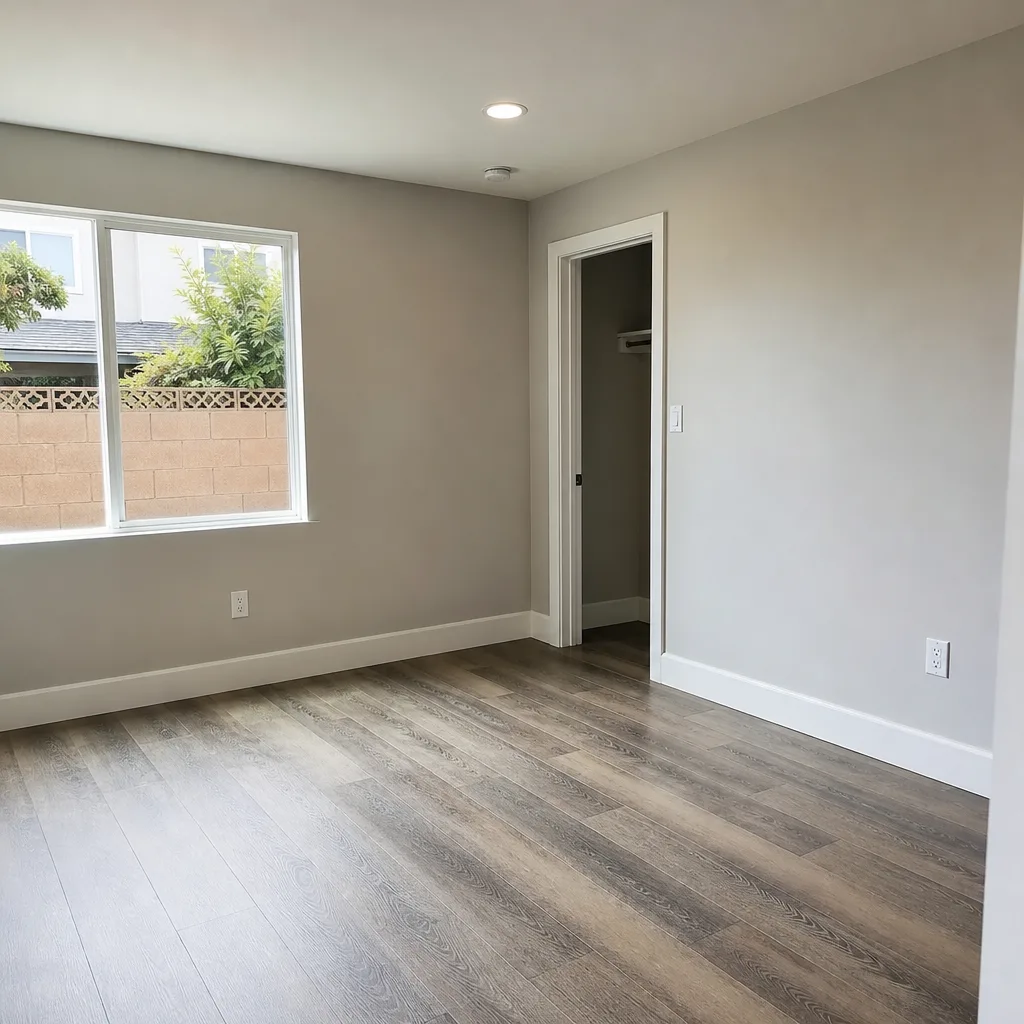
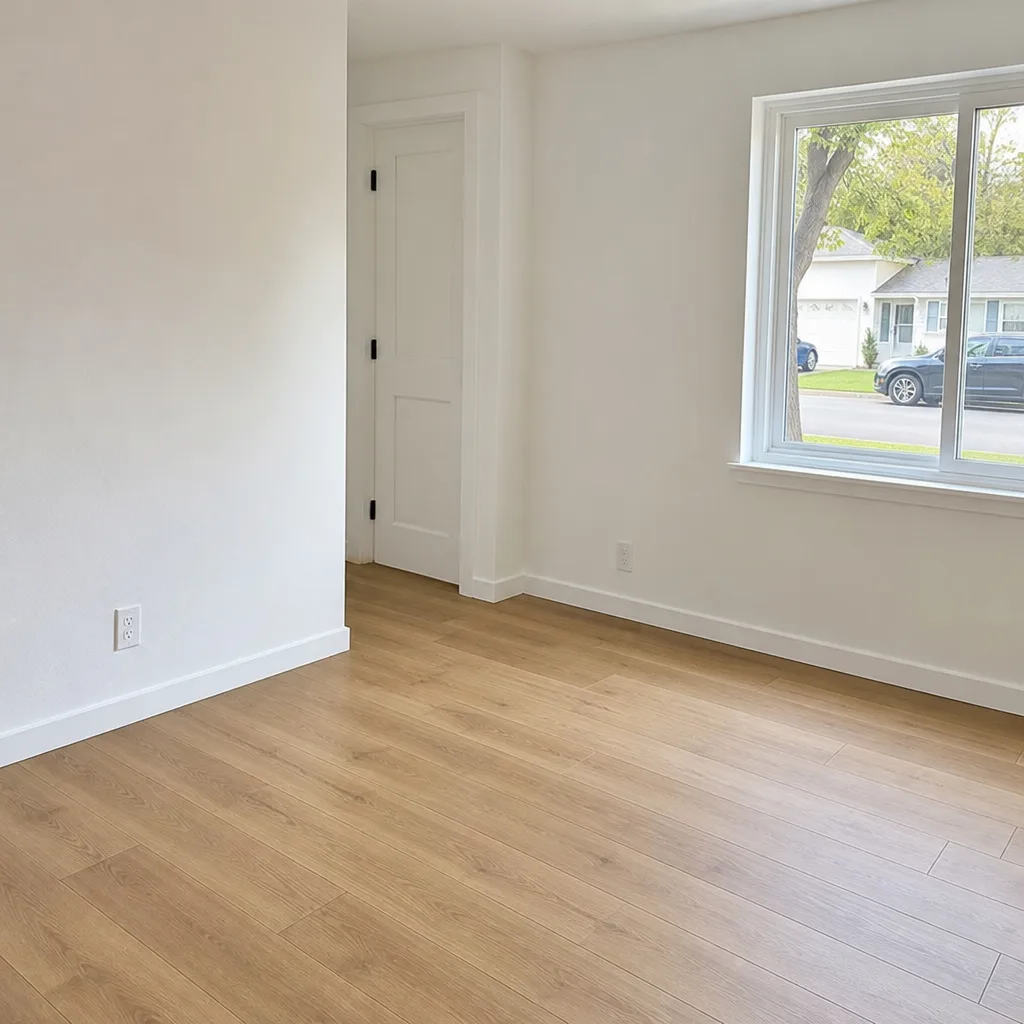
See the difference
 Before
 After
After Before
 After
After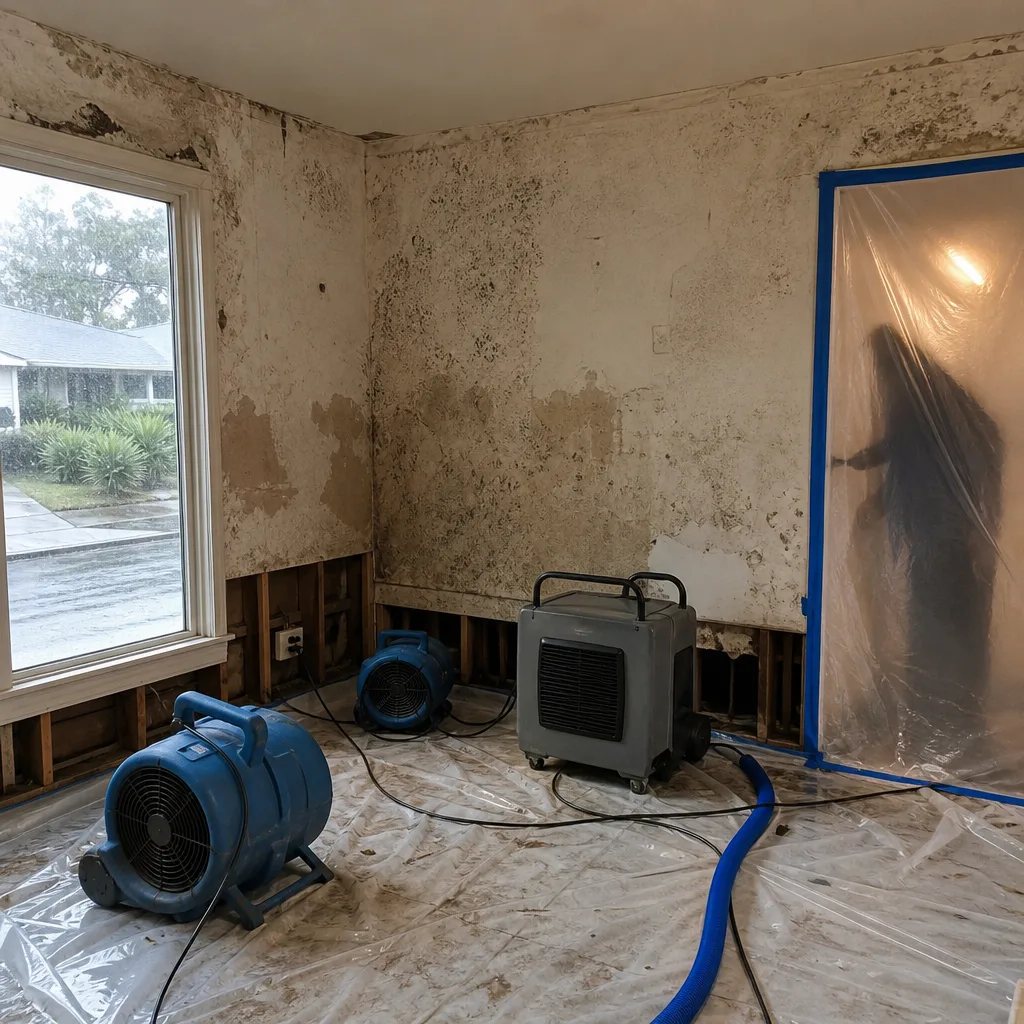 Before
 After
AfterWhat Professional-Grade Actually Means: A Look Inside a Keegan Job
When we dispatch a crew to a water loss in Torrance, here’s what “professional restoration” means in operational terms. The technicians arrive in uniform, background-checked, carrying equipment manufactured by Dri-Eaz, Phoenix, XPOWER, B-Air, and Injectidry. These are the brands used in IICRC-standard restoration work, not the brands sold at big-box hardware stores. The distinction matters because the equipment is rated for continuous commercial operation. A consumer dehumidifier is designed for occasional use in a damp basement. A Dri-Eaz or Phoenix unit is designed to run 24 hours a day for weeks, pulling liters of water from the air per day, and it’s serviced and calibrated for that duty cycle.
The crew follows The Garrison Standard on every job. The price is put in writing before any work begins, and it never moves at the door. Every step of scope is explained in plain language before it’s performed. The job is done by the book: IICRC, RIA, and IFA standards govern the drying process, the contamination controls, and the documentation. The site is left clean when the work is complete. And every repair is backed by the 365-Day Done Right Promise: a written guarantee that if the work fails within one year, we return and make it right at no charge.
None of that is possible for a homeowner working with rental equipment and internet instructions. Not because the homeowner isn’t capable or conscientious, but because the equipment, the instruments, the standards, the documentation system, and the accountability structure don’t exist in a DIY context. You can’t guarantee your own work in writing. You can’t document moisture content progression without moisture meters and the training to use them. You can’t run containments without the equipment and the coverage to operate it safely.
When DIY Goes Wrong: Three Torrance Cases (Anonymized)
Over the years, we’ve been called into homes where a homeowner’s DIY restoration attempt created a bigger problem than the original event. These are the patterns we see repeatedly.
The hidden-wall water loss. A homeowner in central Torrance had a supply line leak behind the kitchen cabinets. They extracted the visible water, set up a rental dehumidifier for a week, and called it done. Six months later, the granite countertop shifted because the particleboard substrate it rested on had swollen with moisture that never dried. The repair cost tripled what a professional drying job would have been, and the insurer declined to cover the cabinet damage because the original claim had been settled and closed.
The bathroom mold spread. A homeowner in South Torrance noticed mold behind a shower surround and attempted DIY remediation. The area was under 10 square feet visually, but the mold extended into the wall cavity. The cleaning removed the surface mold, disturbed the spores, and spread them through the home’s HVAC system. The eventual professional remediation required full containment, air scrubbing, and duct cleaning. The cost was five times what a contained professional job would have been at the outset.
The fire soot failure. A homeowner in North Torrance had a small cooking fire that deposited soot throughout the kitchen. They cleaned the visible surfaces themselves. Within weeks, the house smelled like smoke whenever the weather turned humid. Soot particles had penetrated drywall and insulation, and the cleaning had simply worked surface residue into the paint. A professional fire restoration job would have included thermal fogging, ozone treatment where appropriate, and sealing of affected surfaces. The re-do cost was substantial, and the initial insurance payout didn’t stretch to cover it.
These aren’t rare. They’re the standard outcome when the gap between surface appearance and underlying condition goes unmeasured and undocumented. The lesson is not that homeowners are careless. It’s that the invisible nature of water, mold, and smoke damage makes professional instrumentation and documentation non-negotiable, not optional.
Common Mistakes to Avoid
- Treating drying time as a matter of how long until things feel dry. In Torrance’s coastal climate, surface materials dry faster than wall cavities and subfloors. Touching a wall and feeling dryness tells you nothing about the moisture content inside the wall. This mistake is the single biggest contributor to hidden mold in local water losses.
- Using bleach on mold. Bleach kills surface mold but doesn’t penetrate porous materials like drywall and wood. It also adds moisture, which feeds the mold’s root structure. The mold appears gone and returns within weeks. Professional remediation uses antimicrobials designed for porous surfaces, not household bleach.
- Running a consumer dehumidifier and calling the job done. Consumer units remove liters per day at best and cannot pull moisture from structural cavities. Professional units remove water at rates measured in gallons per day, and professional monitoring proves the drying reached target moisture content throughout the affected structure.
- Failing to document before doing anything. The first job in any damage event is photography. If you move items, extract water, or clean before photographing, you’ve destroyed evidence your insurer needs to process the claim. Photograph everything, from every angle, before any activity begins.
- Waiting to see if it dries on its own. Time works against you in every category of water damage. Every day of delay increases the likelihood of mold, extends drying time, and strengthens your insurer’s argument that you failed to mitigate. Act the same day or the next morning at the latest.
- Treating a Category 3 sewage backup as a DIY cleaning job. Sewage contains pathogens that require biohazard protocols. A homeowner without proper PPE and containment equipment is not cleaning a mess; they’re spreading contamination through the house. This is the hardest line in restoration work.
- Assuming insurance will cover DIY re-remediation if the first attempt fails. When DIY mitigation fails and mold or structural damage follows, insurers routinely classify the subsequent damage as a new event caused by the policyholder’s inadequate action. The original claim is closed; the new problem is often excluded. This is the mistake that turns a $2,000 professional job into a $15,000 uncovered repair.
When to Call a Professional
Call a professional restoration company in these situations, without exception. Water that has been standing more than a few hours, any water from a sewage source or Category 3 contamination, any visible mold beyond a small patch under 10 square feet, any water event where the water has reached wall cavities or subfloor, any fire or smoke damage that extends beyond surface cleaning, and any situation where you’ve already attempted DIY and conditions haven’t improved or have worsened. In these cases, Keegan Restoration Torrance home is your local resource. We answer the phone with a live person 24 hours a day, 7 days a week, including nights, weekends, and holidays. Estimates are free, and every job starts with a written scope and a written price. Call us at (424) 323-4271 to speak with someone who can help right now.
Frequently Asked Questions
Yes, for limited tasks: emergency water extraction with a wet-vac, content removal and documentation, and temporary weatherproofing are all legal and appropriate for a homeowner to self-perform. Anything beyond those three tasks starts to overlap with professional restoration work, and if the water is Category 2 or 3, California law and insurance policy language effectively require professional handling.
Category 1 is clean water from a supply line or water heater, caught quickly. Category 2 is gray water from appliances or water that has sat long enough to begin supporting bacterial growth. Category 3 is black water from sewage backups, exterior flooding, or standing water that has degraded. If you’re not certain, treat it as Category 3 and call for professional help.
In most cases, yes, if the source of the damage is a covered peril. Professional water and fire restoration is typically covered, and professional documentation actually strengthens your claim because the adjuster gets a complete file of moisture readings, drying logs, and photographs. Call (424) 323-4271 to discuss your specific situation; we’ll walk you through the coverage question before any work begins.
The 10 square foot threshold is the commonly cited guideline from Cal/OSHA and other state agencies for when mold remediation requires professional containment. Under 10 square feet, a homeowner can clean visible mold themselves. Over 10 square feet, containment barriers, negative air pressure, and HEPA filtration are required. That’s professional equipment and professional protocols, and it’s not something a homeowner can effectively improvise.
Consumer dehumidifiers remove pints per day and are designed for occasional use. Professional units from brands like Dri-Eaz and Phoenix remove gallons per day, run 24 hours a day for weeks, and are used in conjunction with air movers, moisture meters, and a documented drying standard. A consumer unit dries the air; a professional system dries the structure.
We answer the phone live 24/7, and we dispatch same-day for water and fire emergencies in Torrance. The faster we arrive, the less damage the home sustains and the stronger your insurance position. Call (424) 323-4271 and you’ll speak directly with a person who can schedule your dispatch right away.
The Bottom Line
The DIY-versus-professional question is the wrong question for restoration work. The right questions are: what can I legally do myself, what will void my insurance coverage if I do it wrong, and what liabilities am I creating for a future sale or a tenant claim? For Torrance homeowners, the answers are clear. You can extract visible water, move dry contents, document the scene, and weatherproof temporary openings. Everything else belongs in professional hands with professional equipment, professional documentation, and a written standard behind the work. That’s what The Garrison Standard is, what the 365-Day Done Right Promise backs, and what we deliver on every job. If you’re looking at standing water, visible mold, or fire residue in your Torrance home, call (424) 323-4271 for a free estimate and a straight answer about what needs to happen next.
Written by Shane Pruitt, Owner at Keegan Restoration Torrance, serving Torrance since 2005.