
Last updated October 16, 2026
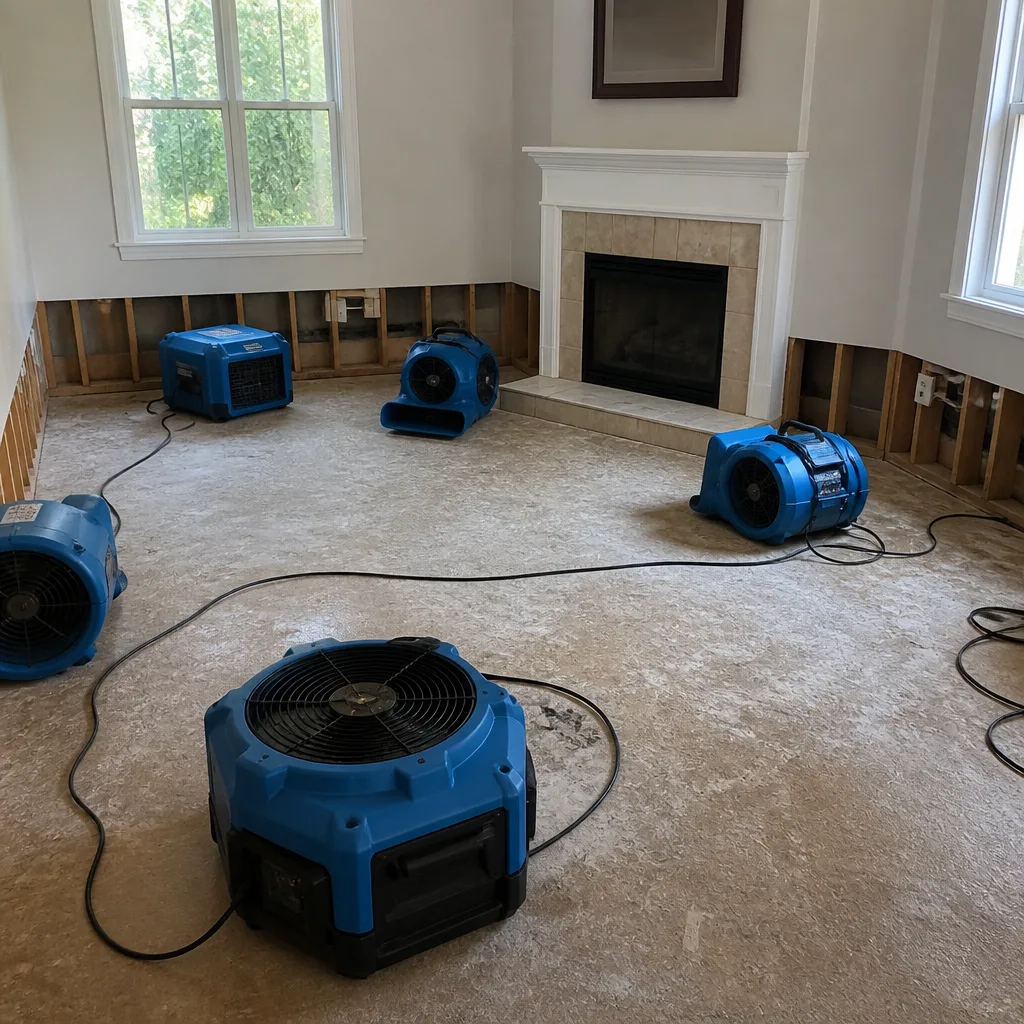 Water damage drying
 Fire & smoke cleanup
 Mold remediation
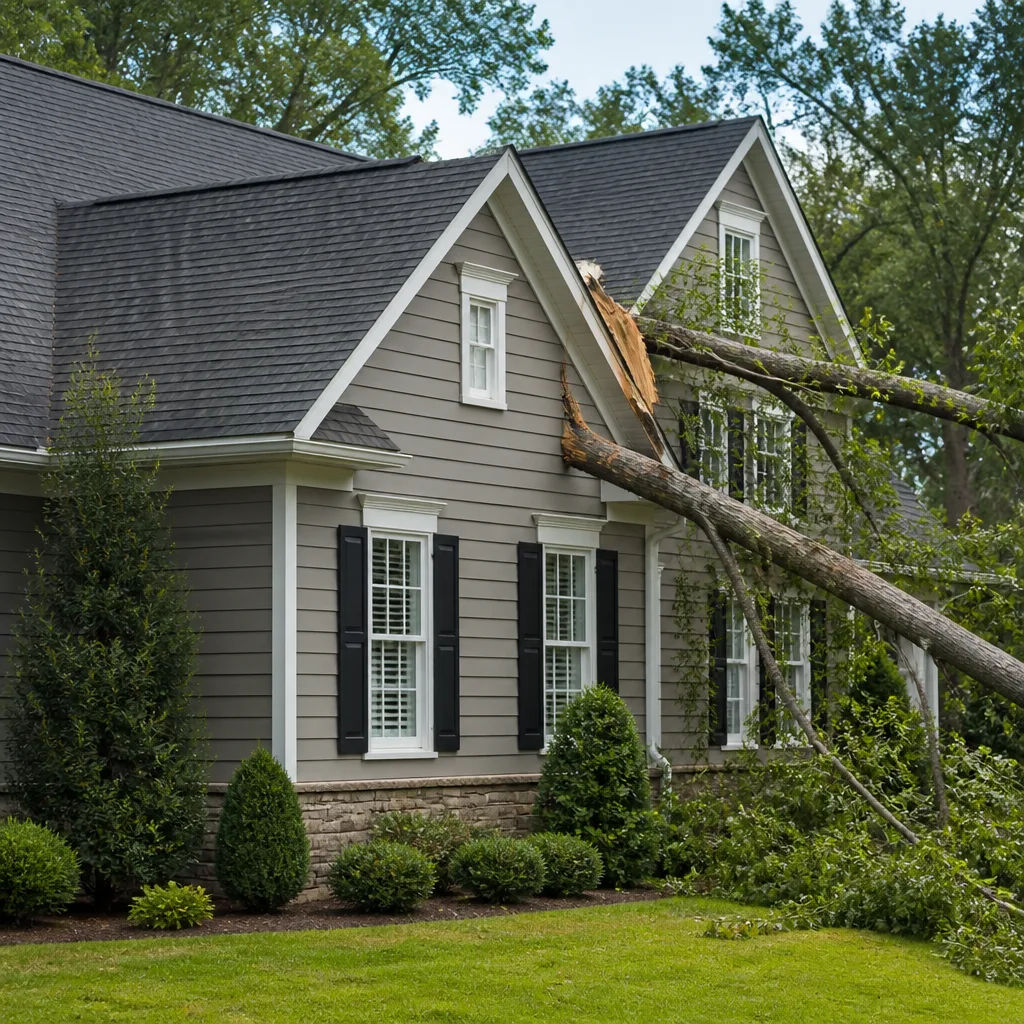 Storm response
 Sewage cleanup
 Reconstruction
Free visual inspection and a written scope of work before any mitigation begins - photos, moisture readings, and drying logs go in your claim file
The scope we write is the scope we bill. Anything new gets shown to you, in writing, before we touch it.
Get your free estimateHow to Hire a Damage Restoration Contractor in Torrance: A Step-by-Step Guide
California’s Contractors State License Board logs show that unlicensed contractor complaints spike 60 to 80 percent in the weeks following any regional water or fire event. The contractors who benefit most from your worst day are the ones who count on you not having a vetting process ready. This guide and our Complete Guide to Damage Restoration in Torrance give homeowners a pre-emergency protocol: the checks to run, the questions to ask, and the contract red flags to catch before you’re standing in a wet room at 11 p.m. accepting a verbal quote from the first crew through the door.
Restoration work we handle
Quick Answer
Hiring a damage restoration contractor in Torrance comes down to running four checks before you sign anything: verify the CSLB license, confirm IICRC firm certification, demand a certificate of insurance for general liability and workers’ comp, and get the price in writing with a defined scope of work. The contractor should document every step of the job for your insurance claim, and the guarantee should have a named term, not vague language. Get at least two written quotes so you have a baseline before any demolition starts.
Table of Contents
- Why You Need a Vetting Protocol Before the Emergency
- The Four License and Certification Checks
- Questions That Separate Legitimate Contractors from Storm Chasers
- Why “Insurance Approved” Is a Marketing Phrase
- Contract Red Flags to Catch Before You Sign
- How to Run a Two-Contractor Comparison in Under an Hour
- What a Written Scope of Work Should Include
- Common Mistakes to Avoid
- When to Call a Professional
- Frequently Asked Questions
- The Bottom Line
Why You Need a Vetting Protocol Before the Emergency
Water from a failed supply line spreads through a Torrance home in minutes. Smoke from a kitchen fire embeds in drywall within the hour. Mold spores establish in damp drywall within 24 to 48 hours in our coastal humidity. None of those timelines leave room for a slow, deliberative hiring process. The homeowner who waits until the emergency is underway gets whatever contractor answered the phone first. The homeowner who runs the vetting process in advance has already narrowed the field to two or three qualified firms.
That distinction matters more than most people realize. Restoration work is not like general remodeling. The quality of the first 72 hours determines whether a water loss becomes a mold loss. The quality of the containment setup determines whether smoke odor follows you into the next decade. A contractor running professional-grade drying equipment from brands like Phoenix or Dri-Eaz, documenting psychrometric readings on a daily log, and holding the line on a written scope of work is doing a fundamentally different job than a crew with box fans from Home Depot and a verbal estimate.
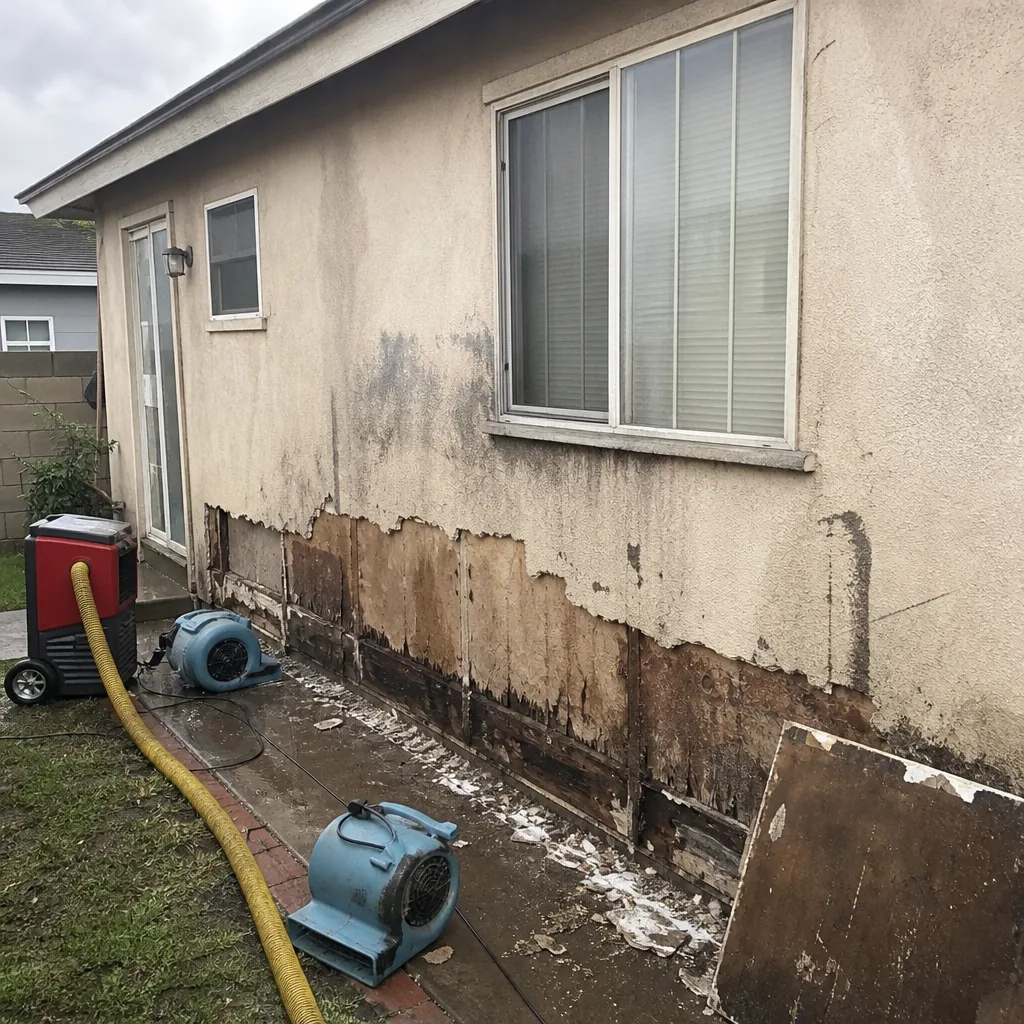
We have walked into Torrance homes where a previous contractor pulled wet drywall, set up two rental fans, and told the homeowner the job was handled. It wasn’t. The moisture map we ran showed saturation in the bottom plates of the walls, behind the baseboard, and under the flooring. The homeowner paid for a drying job that never dried. That’s what the vetting protocol is designed to prevent. It turns hiring from an emergency gamble into a decision you already know how to make.
The Four License and Certification Checks
These four checks take under ten minutes total and eliminate most of the contractors you should never let through the door. Run them before you make the first call, or at minimum while you’re waiting for the first callback.
- The CSLB license lookup. Go to the Contractors State License Board website and search the company name or license number. Confirm the license is active, not suspended or expired. Confirm the classification matches the work. In California, water damage restoration and mold remediation fall under specific classifications; a general building contractor who does kitchens may not be properly licensed for mold. Check for workers’ comp status on the same screen. A contractor running crews without workers’ comp insurance is exposing you to liability if someone gets injured on your property.
- IICRC firm certification. The Institute of Inspection, Cleaning and Restoration Certification is the industry standard for restoration training. A firm with IICRC certification is required to employ certified technicians and follow industry-standard procedures for water extraction, structural drying, and mold remediation. This is not a government license; it’s a professional credential that tells you the crew has been trained to a measurable standard, not just to whatever the boss learned on the last job.
- Proof of general liability insurance. Ask for a certificate of insurance naming the contractor as the policyholder and confirming coverage for property damage and bodily injury. Do not accept a verbal assurance. Ask for the certificate. A legitimate contractor will send it as a PDF without hesitation. If there’s any friction on this request, end the conversation.
- Workers’ comp certificate of insurance. This is separate from general liability and just as important. It covers the technicians if they are injured on your site. In California, workers’ comp is legally required for any contractor with employees. If a worker gets hurt in your home and the contractor has no coverage, the claim can fall on your homeowner’s policy. Confirming the certificate takes two minutes. Not confirming it can cost you your deductible, your claim history, and your renewal rate.
In Torrance, the housing stock ranges from mid-century ranches in West Torrance to newer builds in Southwood, and the plumbing failures, electrical issues, and ventilation patterns vary by era. The licensing landscape doesn’t vary, though. The same four checks apply whether you’re in a 1950s single-story or a 2000s two-story. Run them every time, with every contractor, even the one your neighbor referred.
Questions That Separate Legitimate Contractors from Storm Chasers
Storm chasers work a region after a major rain event, a wildfire, or a winter storm. They move fast, price verbally, and disappear before the work is done or the guarantee is tested. Legitimate restoration firms work from a fixed location in the community, carry their own equipment, and stand behind what they write. The following questions expose the difference in about one phone call.
Question 1: Will you give me the price in writing before any work starts, including the drying phase?
The verbal quote is the storm chaser’s primary tool. It allows the price to shift at the end of the job with no paper trail. A legitimate contractor does not guess. The scope gets written, the drying plan gets mapped, and the price gets delivered in writing before the first piece of baseboard gets pulled. That’s the only version of a quote that means anything. If the answer is anything other than an unqualified yes, move on.
Question 2: Can I see a sample scope of work document from a recent project?
A real scope of work itemizes every line of the job: number of air movers, dehumidifier type and capacity, affected areas by room, drying goals, demo boundaries, reconstruction scope. A vague one-page estimate with “dry affected areas” and a lump sum is a red flag. A contractor who can show you a sample scope, redacted for privacy, is a contractor who works to a written standard. That’s what you want.
Question 3: Who owns and maintains the drying equipment during the drying phase?
Some contractors set drying equipment and never return. The equipment runs for three days, circulates humid air poorly, and the homeowner gets a drywall patch over a wet cavity. A legitimate contractor monitors the equipment daily, adjusts placement based on moisture readings, and documents every reading. Ask how often they return to check progress and whether they’ll provide the daily drying log. If the answer is “we set it and you call us if something seems off,” that’s not a drying plan. That’s a rental.
At Keegan Restoration Torrance, our technicians run Phoenix, XPOWER, and Injectidry equipment, and the drying plan is governed by psychrometric readings that get logged and shared with the homeowner, along with photo documentation that supports the insurance claim. The homeowner sees the numbers. The adjuster sees the numbers. There’s no mystery about whether the drying is working. That’s the standard to hold any contractor to, whether you hire us or not.
Why “Insurance Approved” Is a Marketing Phrase
“Insurance approved” appears on websites, trucks, and yard signs across Torrance. It sounds reassuring. It also means nothing. There is no credential called insurance-approved restoration contractor. No insurance carrier maintains a list of pre-approved vendors that homeowners are required to use. The phrase is a marketing construction, not a certification.
What matters instead is whether the contractor has actual experience working with your specific carrier and documenting claims to that carrier’s standards. The way to verify this is direct: ask the contractor which carriers they have worked with in the past twelve months. Ask how they handle adjuster communication – do they coordinate directly, do they provide photo documentation formatted for the claim, do they stand behind their work through the adjuster’s process? A contractor with real experience will give you a specific answer with a carrier name. A contractor hiding behind “we’re insurance approved” is dodging the question.
There’s a second layer to this. The best restoration documentation happens independent of the adjuster’s presence. The contractor documents the job as if the adjuster will question every line item, because often the adjuster will. Moisture maps, drying logs, phase photos, equipment logs, daily readings, and the written scope all go into the file. The contractor who documents this way is not working to any carrier’s approval list; they’re working to the evidentiary standard that standalone adjusters apply. That’s the real insurance credential: a file that survives scrutiny.
If you’re filing a water damage claim on a Torrance home, call Water Damage Restoration in Torrance and ask about documentation standards before you agree to anything. If it’s fire or mold, the approach is the same for Fire Damage Restoration in Torrance and Mold Remediation in Torrance.
Contract Red Flags to Catch Before You Sign
The contract is where legitimate contractors distinguish themselves from the rest, and it’s where homeowners most often skip the reading. Don’t. These clauses appear in restoration contracts all over Torrance, and each one should stop you from signing until it’s resolved or removed.
- Assignment-of-benefits clauses. This clause gives the contractor the right to collect directly from your insurance carrier and often grants them the authority to negotiate the claim, hire subcontractors, and make decisions about the scope without your sign-off. It can also make you personally liable for amounts the carrier doesn’t pay. We recommend you not sign any contract containing an assignment-of-benefits clause. You should retain control of your claim. The contractor’s job is to do the work and document to the claim standard, not to stand in your shoes with the carrier.
- Open-ended pricing language. Phrases like “time and materials as needed” or “additional charges may apply” without a defined change-order process are the contractual version of the verbal quote. They allow the price to move without your written consent. The contract should state the total price for the defined scope and should specify that any change requires a written change order approved by you before the additional work proceeds.
- Guarantees with no defined term. “Guaranteed work” without a named period is a sentence, not a guarantee. The contract should specify the term of the warranty, what it covers, what it does not cover, and what happens if a repair fails. At Keegan Restoration Torrance, every job is governed by The Garrison Standard, which includes the 365-Day Done Right Promise: a written, one-year guarantee with a free return visit if the work fails during that period. That’s the level of specificity to demand from any contractor: the term named, the remedy named, and it’s all in the contract before you sign.
- No written scope attached to the contract. A contract without a scope of work is a blank check. The scope is the list of what gets done, where, with what equipment, and to what standard. If it’s not attached, the contract doesn’t mean what you think it means.
- Unlicensed or unlisted subcontractors. Some contracts give the general contractor broad authority to bring in subcontractors without naming them. Ask who will be on your property. If the answer is “whoever is available,” you’re re-running this entire vetting protocol on a company you never chose.
- Demand for full payment upfront. A deposit for a scheduled, scoped job is normal. Full payment before the work is done is not. A contractor demanding full payment at contract signing is a contractor who doesn’t need your repeat business and may not finish the job. In California, the standard for restoration works differently than for new construction, but the principle holds: payment should follow work milestones, not precede them.
We’ve walked through contracts in Torrance homes where all six of these clauses appeared. The homeowners were days into a water loss, exhausted, and ready to sign. They didn’t, and they were right not to. Read the contract before you sign it. If the contractor won’t give you time to review it, that’s the red flag that covers all the others.
How to Run a Two-Contractor Comparison in Under an Hour
A two-contractor comparison gives you a baseline price and a baseline scope before anyone starts pulling baseboard. It doesn’t require days of effort. Here’s the thirty-minute version, which should be done before an emergency and can be compressed into one hour during one.
- Make two calls, not ten. Call two licensed, IICRC-certified firms with local Torrance or South Bay addresses. Three is even better for price discovery, but two gives you a baseline. Ten is a wasted afternoon.
- Describe the same scope to both. Room by room, floor type, and the extent of the damage as you understand it. Same description, same questions. That’s the only way to compare apples to apples.
- Ask for the written scope and price. Both contractors should deliver a written scope with a line-item price within 24 hours, usually sooner. If one contractor gives you a number over the phone and the other sends a written scope, you’re not comparing two quotes; you’re comparing a quote to a promise.
- Compare the scopes line by line. Look for differences in equipment count, drying days, demo boundaries, and what’s excluded. The lower bid often has a narrower scope, not a better price. Look for the missing line items, not just the total.
- Ask each contractor to explain the one biggest difference between the two scopes. A legitimate contractor will walk you through the difference. A defensive one will talk about the other contractor’s deficiencies. That tells you something too.
This process takes about an hour spread over a day, and it gives you a written price range for the Torrance market before any contractor has a boot on your property. That’s what price leverage looks like on the homeowner’s side. It’s not negotiation; it’s information. The more you know about what the job should include, the less room any contractor has to pad the scope or lowball it and catch you with change orders later.
If you’re not sure who to call first, start with Keegan Restoration Torrance home and ask for a written estimate. We’ll walk you through the scope, give you the price in writing, and you’ll have a real baseline to compare against.
What a Written Scope of Work Should Include
A scope of work is not a quote. A quote is a number. A scope is the plan that supports the number. Every legitimate restoration project in Torrance should be governed by a written scope that covers at least the following items, in plain language, before work starts.
- Affected areas by room and surface. Not “downstairs.” Not “the living room area.” Room names, surface references, and dimensions where relevant. If there’s a water loss in a Torrance kitchen that migrated under the tile into the adjacent family room, the scope says so. This protects you when the estimator returns and says the extra 200 square feet wasn’t in the original scope.
- Equipment list and placement plan. Number of air movers, dehumidifier type and capacity, placement locations, and extraction equipment. A scope that says “drying equipment” without specifics is a guess. The professional brands (Phoenix, Dri-Eaz, XPOWER, B-Air, Injectidry) have known performance characteristics. The scope should name what’s being installed and where.
- Drying goals and monitoring schedule. The target moisture content for the affected materials, the daily monitoring schedule, and the criteria for pulling equipment. Psychrometrics is the science of how air, temperature, and moisture interact. A proper drying plan uses those readings to determine when the structure is dry, not a timer.
- Demo boundaries. Exactly what gets removed: drywall cut line height, baseboard, flooring, cabinets, insulation. This is where disputes arise months later when a contractor says “that was always part of the plan.” If it’s not in the scope, it wasn’t part of the plan.
- Reconstruction specifications. What goes back: drywall thickness, texture match, paint type, flooring replacement, trim profile. The more specific this is, the fewer surprises at the end.
- Exclusions. What’s not included: code upgrades if required, permit fees if applicable, contents pack-out and storage, asbestos or lead paint abatement if discovered. Exclusions aren’t a trick; they’re honesty. The contractor who lists exclusions is telling you where the price stops. The contractor who doesn’t is letting the price run.
- Warranty term and remedy. The guarantee belongs in the scope. Ours is the 365-Day Done Right Promise: a one-year written warranty with a free second visit if the repair fails. Whatever the term, it should be named, written, and defined: what’s covered, what’s not covered, and what happens if it fails.
- Insurance documentation protocol. How the job will be photographed, logged, and formatted for your adjuster. Every job should be documented with phase photos, moisture readings, and daily logs that are built to support your claim, whether you file one or not.
The Garrison Standard that governs every Keegan Restoration Torrance job covers all of it: written price before work starts, background-checked uniformed technicians, and the 365-Day Done Right Promise. The Standard exists because we’ve seen what happens when restoration work is done without one. Wet cavities become mold. Temp crews leave the site in worse shape than they found it. The price changes at the door. The Standard eliminates the surprises by writing everything down before the work begins.
Common Mistakes to Avoid
- Calling only one contractor. A single quote from a single contractor is a price, not a market. Even a good contractor benefits from your lack of comparison. Two written quotes, minimum, every time. The hour it costs pays for itself on the first line item.
- Signing the first document put in front of you. Restoration crews show up fast. That’s the point. It’s also the pressure. You don’t lose coverage by taking an hour to read a contract. You lose leverage by signing one you haven’t read. Read it. Ask about the clauses. Then sign.
- Hiring on price alone. The cheapest scope is often the narrowest scope. Lower prices come from somewhere: fewer air movers, no daily monitoring, smaller demo boundaries, no reconstruction specification. Cheaper isn’t better when the job is drying your home correctly.
- Skipping the workers’ comp check. The license check takes two minutes. The insurance certificate takes one email. The workers’ comp certificate takes another email. Homeowners skip this constantly, and the reason is usually embarrassment about asking. Don’t be. The contractor who’s offended by the question is the contractor you’re avoiding.
- Accepting a verbal scope. “We’ll handle it” is not a contract. If the scope of work hasn’t been reduced to writing before the first cut, you are financing the contractor’s memory. Memories change. Written scopes don’t.
- Ignoring the drying phase. The visible demo and rebuild are what homeowners watch. The drying phase is what determines whether the rebuild lasts. Ask about the drying plan, the daily monitoring, the psychrometric readings. If the contractor looks puzzled, the job is in trouble.
- Letting the adjuster choose the contractor for you. Some adjusters make recommendations. That’s fine; add the recommendation to your list. But an adjuster’s recommendation is not a mandate, and a contractor who comes through the adjuster’s office still needs the same license check, the same insurance certificate, the same written scope, and the same guarantee. No exceptions. No shortcuts.
When to Call a Professional
Standing water from a supply line break, sewage backup, roof leak, or appliance failure always warrants a professional call. So does any fire that left smoke residue, even a small one. So does any visible mold growth, any persistent musty odor that doesn’t resolve with cleaning, and any water event that soaked drywall, flooring, or insulation. The line is simple: if the water went where you can’t see it, or the smoke touched surfaces beyond the pan, or the mold has been there long enough to smell, you need a professional assessment. These are not DIY moments. They are mitigation moments, and the first 72 hours are the cheapest hours of the job.
Keegan Restoration Torrance offers free estimates in Torrance – call (424) 323-4271 and a live person answers, 24 hours a day, 7 days a week, including nights, weekends, and holidays.
Frequently Asked Questions
Water damage restoration in Torrance typically runs $2,500 to $8,500 for a contained Category 1 or Category 2 water loss with standard drying and repair, and $8,500 to $30,000 or more when the damage extends into multiple rooms, requires full demo and reconstruction, or involves Category 3 water from sewage. The largest variables are the square footage affected, the building materials involved, whether drying requires a containment chamber, and how quickly the water was extracted. Get a written scope and price from at least two contractors before any work begins. Call (424) 323-4271 for a free written estimate in Torrance.
A legitimate Torrance restoration contractor with local crews and a live dispatch line should be on site within two to four hours for a water emergency, and often much faster. The phone call should be answered by a person, not a phone tree. Time is the cost multiplier in water restoration: the longer water sits in a Torrance home, the more it migrates through drywall, into subfloor cavities, and into the base plates of the walls. The structural materials in a 1960s Torrance rancher absorb water differently than those in a 2000s South Bay build, which is why site-specific drying plans matter. Call (424) 323-4271 any time – a live person answers 24/7, including nights, weekends, and holidays.
Most California homeowner’s policies cover sudden and accidental water damage, such as a burst pipe, a failed supply line, or a roof leak, but not gradual damage from neglect or lack of maintenance. Every carrier is different, every policy has exclusions, and some policies add mold caps or require a separate rider. What matters for the claim is documentation: phase photos, moisture maps, daily drying logs, and a written scope of work, all formatted to the carrier’s standard. Then call your adjuster and send the file. The contractor who documents to claim standard makes the adjuster’s job easier, and that’s the best insurance advantage a contractor can give you.
Visible mold on a surface in a Torrance home is usually the symptom, not the cause. The cause is moisture in a wall cavity, under flooring, or behind the baseboard. Cleaning the visible mold without fixing the moisture is a temporary fix. Mold remediation requires finding the moisture source, containing the affected area so spores don’t spread during removal, cleaning and removing affected materials, and drying the cavity to fungal-resistant levels. If the mold covers more than about ten square feet, or you can smell it but not see it, or anyone in the home has respiratory issues, call a professional. Keegan Restoration Torrance provides mold remediation in Torrance with a written scope, IICRC-standard procedures, and the 365-Day Done Right Promise. Call (424) 323-4271 for a free estimate.
The most functional arrangement is a cooperative one: your contractor documents the job to claim standard, you file the claim and stay in control of it, and the contractor coordinates with the adjuster on technical specifics like moisture readings, drying plans, and scope of loss. What you don’t want is an assignment-of-benefits clause that gives the contractor authority to negotiate the claim on your behalf. Keep the claim in your name. Let the contractor provide the documentation and the adjuster communication that supports it.
Every Keegan Restoration Torrance job is backed by the 365-Day Done Right Promise: a written, one-year guarantee on every repair, with a free return visit if the work fails during the guarantee period. The promise is part of The Garrison Standard, which also includes a written price before work starts, background-checked uniformed technicians, and professional-grade drying and extraction equipment. If a repair fails within one year, we return and make it right at no charge. That’s the standard, in writing, on every job. No exceptions.
The Bottom Line
Hiring a damage restoration contractor in Torrance doesn’t have to be an emergency decision made under duress. Run the four checks: CSLB license, IICRC certification, general liability insurance, workers’ comp. Ask the questions: written price, written scope, drying plan, documentation protocol. Read the contract: no assignment-of-benefits, no open-ended pricing, no vague warranty language. Run a two-contractor comparison and hold both scopes side by side. Then make the call. The homeowner who does this work in advance isn’t gambling when the water is rising. They’re executing a plan they already have. For more guides & resources, visit our blog. That’s the whole game.
Written by Shane Pruitt, Owner at Keegan Restoration Torrance, serving Torrance since 2005.
See the difference
 Before
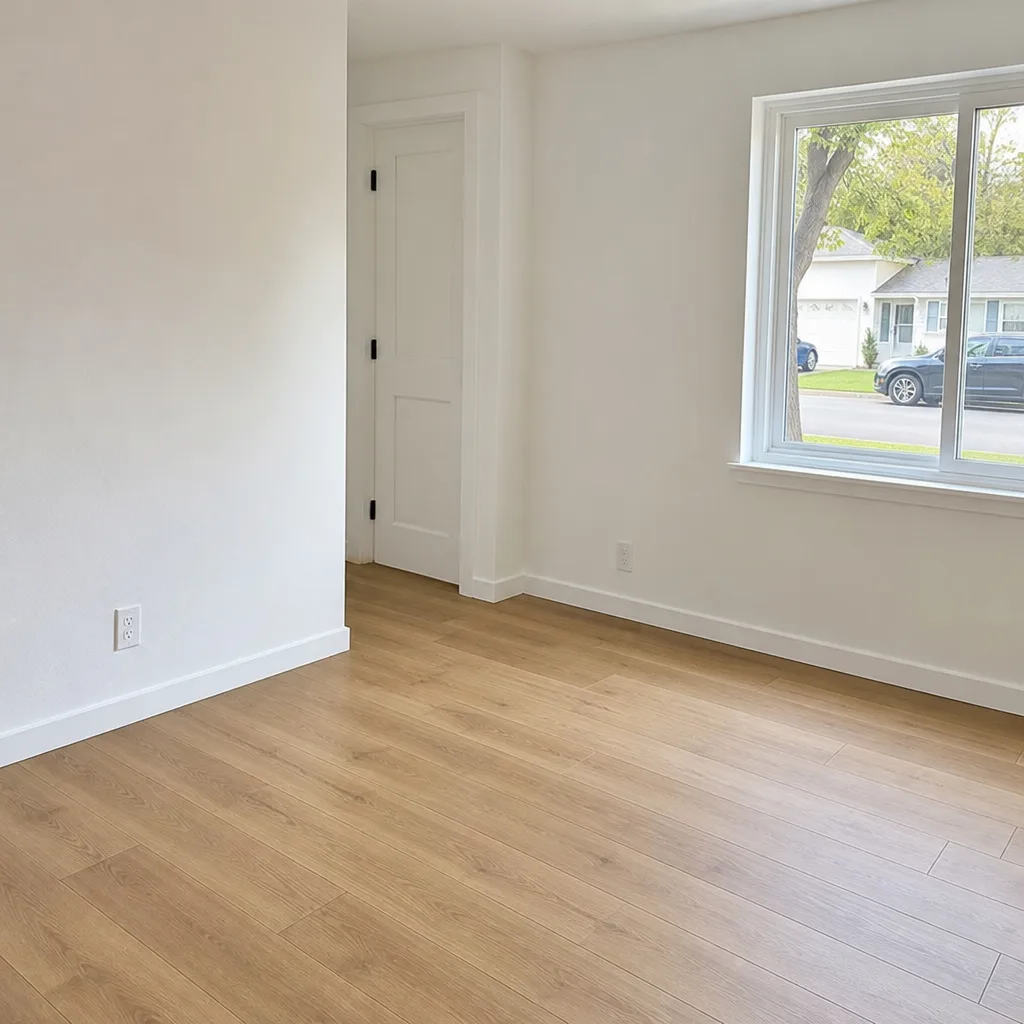
 After
After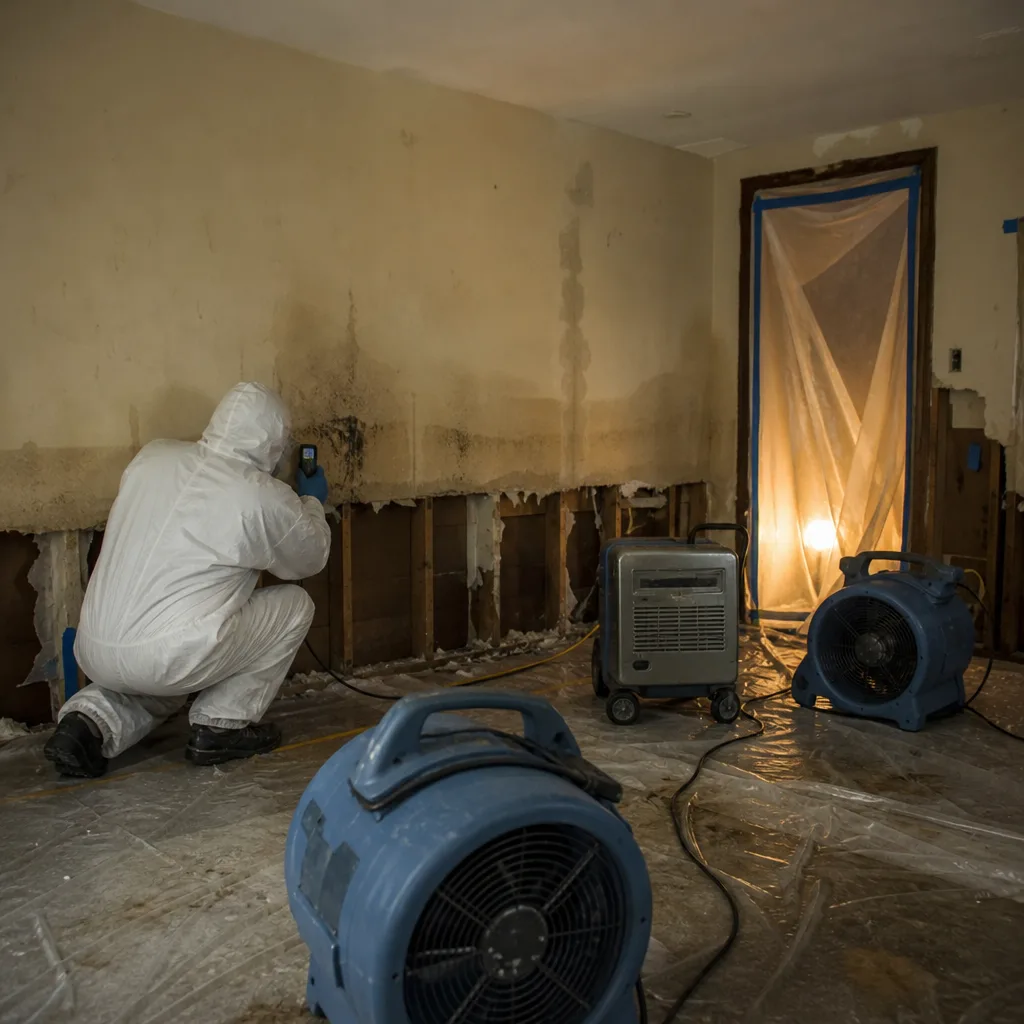 Before
 After
After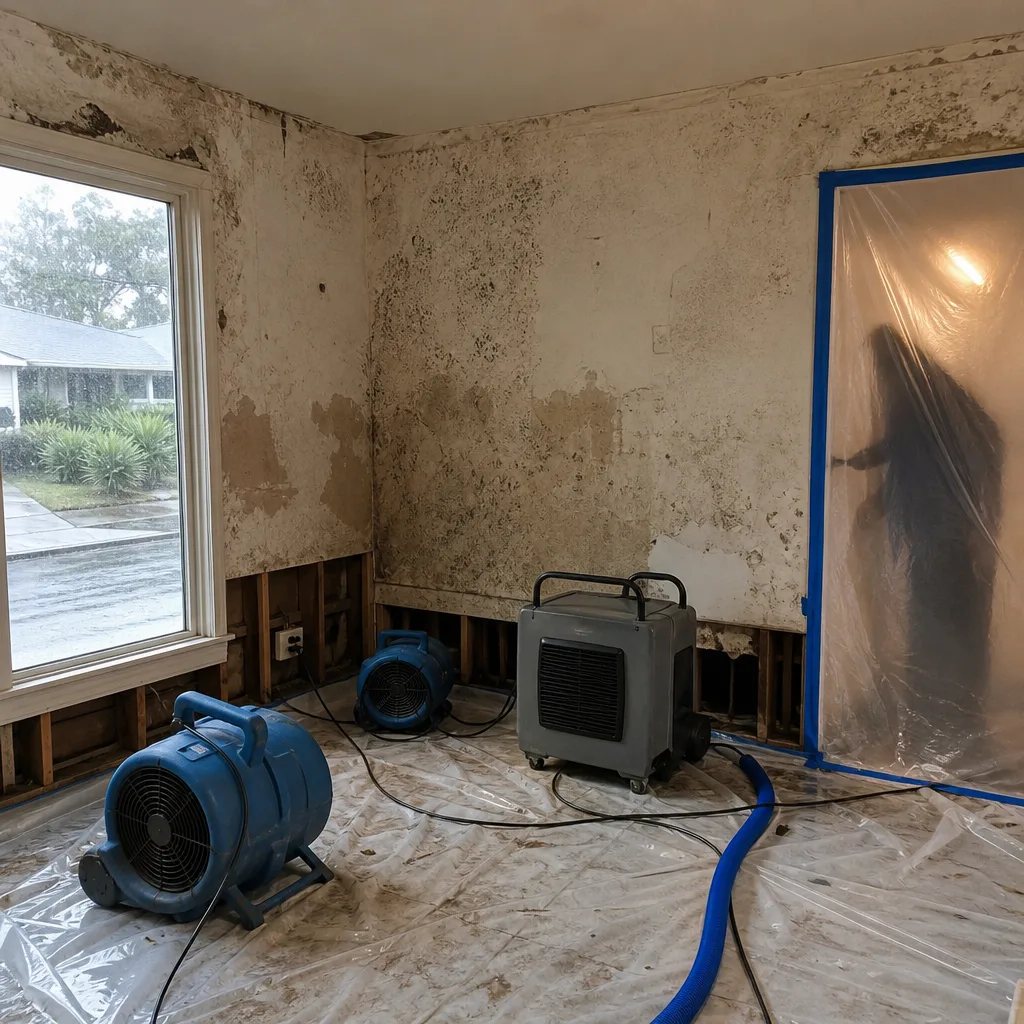 Before
 After
After