
Last updated October 16, 2026
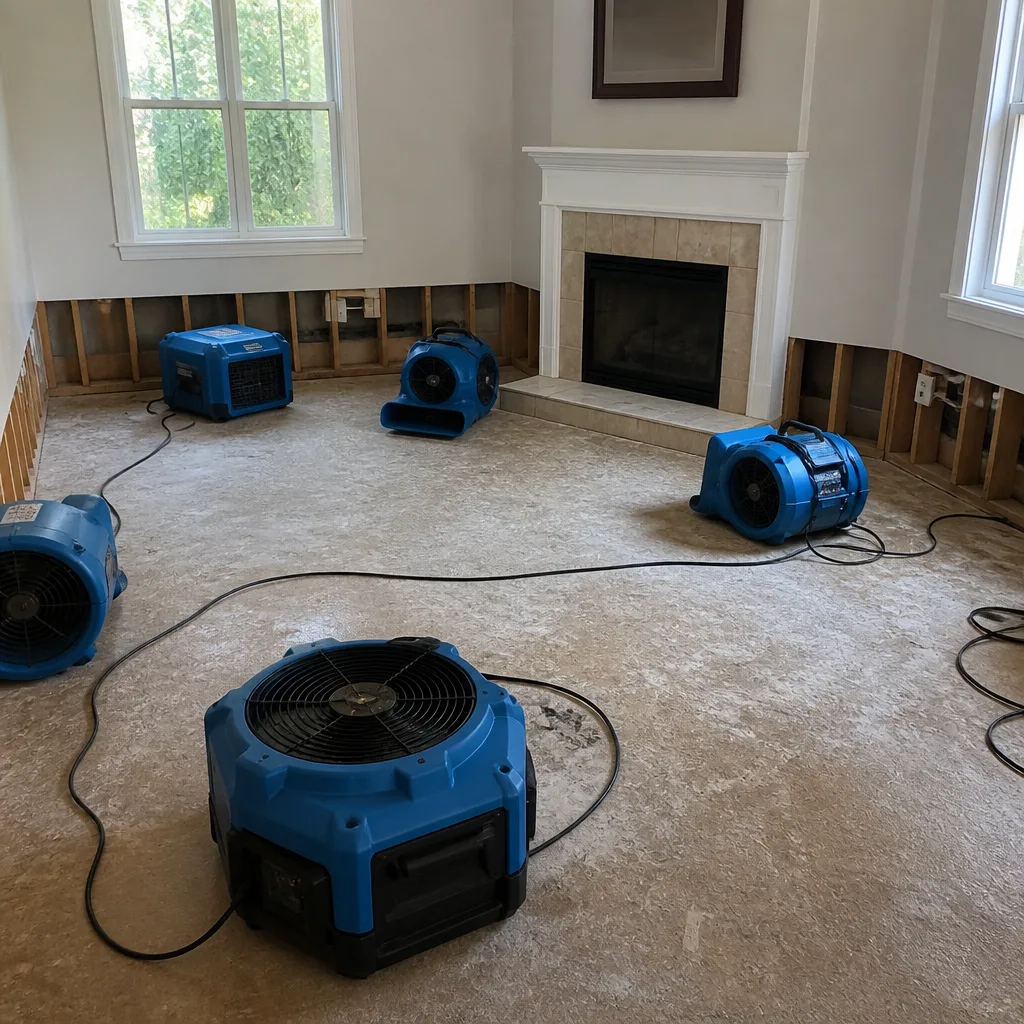 Water damage drying
 Fire & smoke cleanup
 Mold remediation
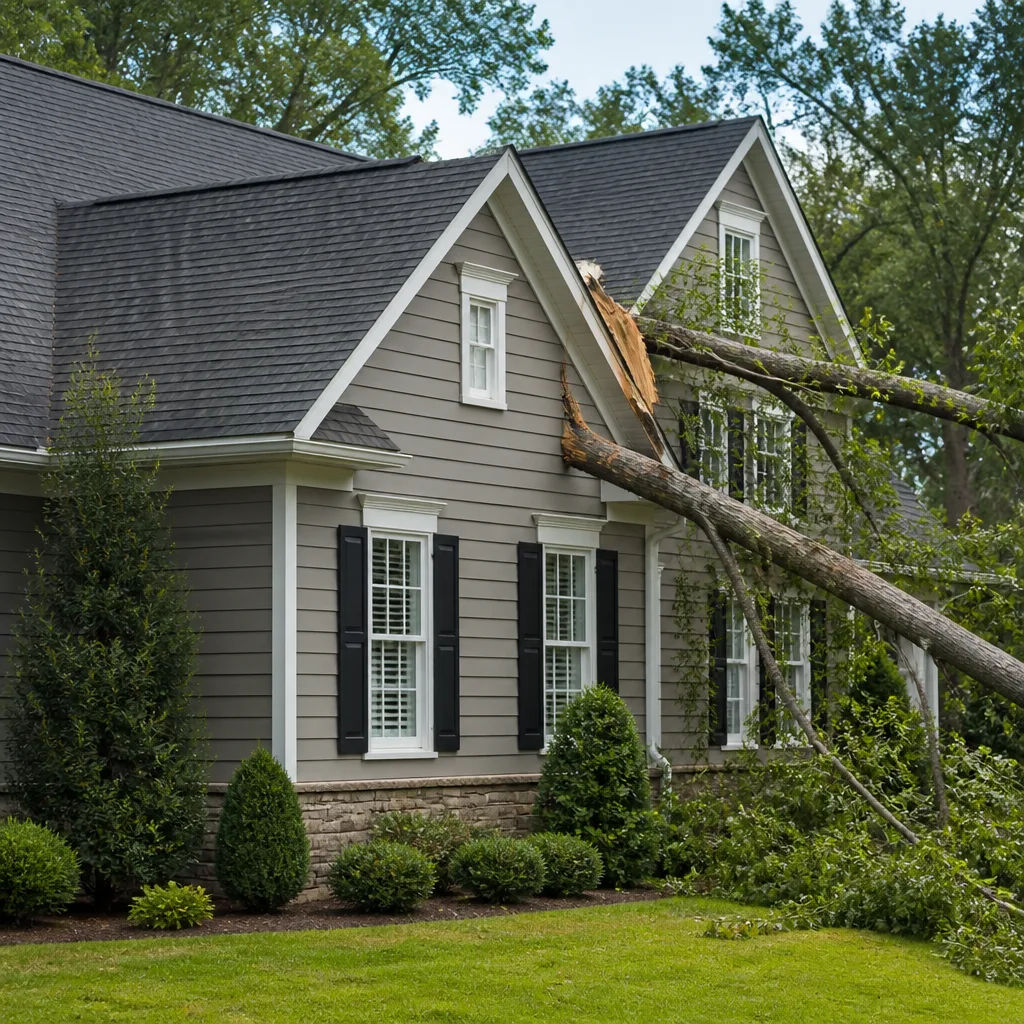 Storm response
 Sewage cleanup
 Reconstruction
Free visual inspection and a written scope of work before any mitigation begins - photos, moisture readings, and drying logs go in your claim file
The scope we write is the scope we bill. Anything new gets shown to you, in writing, before we touch it.
Get your free estimateSeasonal Damage Restoration Care for Torrance: Year-Round Homeowner’s Guide
Torrance averages about 13 inches of rain per year, nearly all of it between November and March. That single fact rewrites the damage prevention playbook. A roof, gutter system, or window seal that leaked a little in March has nine dry months to look perfectly fine before it fails catastrophically on the first heavy rain of the next season. This guide maps home care to Torrance’s actual risk calendar: the dry Santa Ana season, the June Gloom marine layer, and the first winter rains. You’ll learn what to inspect, when to inspect it, and how to catch small problems before they become restoration jobs.
Quick Answer
Seasonal damage prevention in Torrance revolves around two critical windows: the Santa Ana wind season from September through November, when hot, dry winds stress roofing, flashing, and caulking, and the October pre-rain inspection window, when homeowners should check six key systems before the first winter storm arrives. The most important habit is a post-rain walkthrough within 48 hours of the season’s first significant rainfall, because that’s when water intrusion shows itself before mold, rot, and structural damage can spread.
Restoration work we handle
Table of Contents
- The October Pre-Rain Inspection: Six Systems to Check
- Santa Ana Wind Season: September Through November
- June Gloom and the Marine Layer: Humidity Damage
- The Post-Rain Walkthrough Protocol: First 48 Hours
- Annual Equipment Tests: The Month-By-Month Schedule
- Documentation and Insurance: What To Record
- Common Mistakes to Avoid
- When to Call a Professional
- Frequently Asked Questions
The October Pre-Rain Inspection: Six Systems to Check
Every October, before the first storm system rolls in off the Pacific, Torrance homeowners should walk their property with a specific checklist. We’ve seen the same pattern year after year: homes that go into the rainy season with neglected October issues are the ones that call us for water damage restoration in Torrance by mid-December. The good news is that most problems show themselves to anyone who knows where to look.
- Roof flashing and pipe boots. Nine months of UV exposure and thermal expansion loosen flashing around chimneys, skylights, and vent pipes. Look for lifted edges, cracked sealant, and rust spots where galvanized flashing has worn thin.
- Gutters and downspouts. Torrance’s eucalyptus and pine trees drop debris all summer. A gutter that’s 40% clogged in October is overflowing by the second storm. Check that downspouts extend at least three feet from the foundation.
- Window and door seals. The hot, dry Santa Ana months shrink and crack exterior caulking. Run a visual check around west-facing window frames, which take the most afternoon sun in neighborhoods like South Torrance and Walteria.
- Exterior grade and drainage. Soil settles during the dry season. Walk the perimeter and look for any spot where the ground slopes toward the foundation instead of away from it. A one-inch slope per foot for the first six feet is the standard.
- Stucco and siding penetrations. Cable lines, irrigation pipes, and dryer vents create holes in the building envelope. Every penetration should have an intact gasket or sealant bead.
- Attic inspection. Go up with a flashlight on a sunny day. Light visible through the roof deck means a hole exists. Stains on insulation or rafters indicate the roof leaked during a previous season and was never addressed.
The October inspection is not a suggestion. It’s the single highest-leverage hour a Torrance homeowner can spend on their property all year. We recommend doing it the same weekend every year so it becomes routine. Write down what you find, take photos, and if anything looks questionable, have a professional look at it before the first heavy rain, not after.
Santa Ana Wind Season: September Through November
Santa Ana winds are Torrance’s most underrated property threat. These hot, dry, gusty winds blow from the desert toward the coast, and while Torrance doesn’t get the worst of them compared to the foothill communities, sustained 20 to 35 mph gusts with humidity dropping below 15% are common. The damage mechanism is different from what most homeowners expect. It’s not the wind itself that ruins buildings; it’s what the wind does to materials that are supposed to keep water out.
How Santa Ana Winds Damage Homes
When hot, low-humidity air moves across a roof at speed, it accelerates the drying of sealants, adhesives, and caulking. Rubber pipe boots that were pliable in March become brittle by November. Flashing that was sealed tight loosens as the materials beneath it expand and contract under extreme temperature swings. Roof tiles shift when wind gets underneath their edges. None of these conditions cause immediate visible damage. A homeowner walks outside, sees a roof that looks fine, and doesn’t realize the water barrier has been compromised at a dozen small points. Then the first storm arrives and water finds every one of them.
What to Check During Santa Ana Season
- Roof flashing seams. Walk the property with binoculars and inspect chimney flashing, valley flashing, and vent pipe collars for visible gaps or lifted edges.
- Attic ventilation. Santa Ana winds push dust and debris into ridge vents and soffit vents. A blocked vent reduces airflow, and reduced airflow means condensation builds inside the attic on cool nights, creating conditions for mold growth.
- Exterior caulking. Run your eyes along window frames, door frames, and the joint where stucco meets trim. Hairline cracks are the early warning sign. A caulk joint that has separated from either surface is already failing.
- Loose roof tiles or shingles. After a sustained Santa Ana event, do a ground-level walk. Fallen or visibly shifted roofing material is an immediate call to a roofer.
- Fence and trellis stability. A wind-driven fence panel or trellis section can become a projectile that breaks a window, and a broken window during a storm means water inside the house within minutes.
If you find issues during Santa Ana season, address them before November. The repair windows in Torrance fill up fast once the first rain hits, and a small fix in October costs a fraction of what the water damage restoration job costs in January.
June Gloom and the Marine Layer: Humidity Damage
Most seasonal maintenance guides written for a national audience skip this entirely. They talk about winter freeze damage or summer hail. Torrance doesn’t get freeze damage or hail. What Torrance gets is the marine layer: weeks of overcast skies, morning drizzle, and ambient humidity that stays between 70% and 85% from late May through July. South Torrance and the neighborhoods west of Hawthorne Boulevard feel it most because they sit closest to the coast.
The Humidity Mechanism
Sustained coastal humidity doesn’t cause dramatic floods. It causes slow, persistent moisture exposure that weakens materials and sets the stage for mold and rot. Exterior paint on west-facing elevations absorbs moisture overnight and releases it during the day. Over years, this cycle breaks down the paint’s protective barrier, allowing moisture to reach the substrate. Window frames, especially wood frames on older homes in the Seaside and Torrance Heights neighborhoods, swell and warp. Crawl spaces in homes without vapor barriers stay damp for weeks at a time, creating ideal conditions for fungal growth on floor joists, subflooring, and insulation.
June Gloom Prevention Checklist
- Crawl space check. After a week of June Gloom, inspect the crawl space. You should not see standing water, condensation on the subfloor, or a musty smell. Any of the three means you need better ventilation or a vapor barrier.
- Exterior paint inspection. Look for bubbling, peeling, or chalky residue on west-facing and south-facing walls. These indicate the paint’s moisture barrier has failed. Repainting isn’t cosmetic; it’s structural protection.
- Window frame check. Open and close every window on the west side. Sticking frames, visible gaps, or condensation between panes are signs that moisture is affecting the frame or the seal has failed.
- AC condensate line. During humid periods, AC systems pull more moisture out of the air, and that water has to go somewhere. If the condensate line is clogged, the water backs up and drips into the wall cavity or ceiling. Check that the line drains freely.
We respond to mold remediation calls in Torrance every summer that trace back to June Gloom humidity that was never addressed. The pattern is consistent: moisture enters the crawl space or wall cavity in June, mold establishes itself in July and August, and the homeowner discovers it in October when the musty smell becomes impossible to ignore. Catching it in June is a two-hour fix. Catching it in October is a remediation project.
The Post-Rain Walkthrough Protocol: First 48 Hours
The first significant rain of the season is a diagnostic event. It tells you, in one afternoon, whether every system that was supposed to be ready actually was. But the information is only useful if you act on it quickly. Water that enters a wall cavity or ceiling void migrates within 48 hours from a damp spot to a structural and biological problem. Here’s the protocol we recommend every Torrance homeowner follow within two days of the season’s first real storm.
- Interior ceiling and wall check. Walk every room and look at the ceilings, especially around light fixtures, vent registers, and the corners where walls meet ceilings. A fresh water stain appears as a light brown or yellow discoloration. Touch it with the back of your hand. If it feels cool or damp, water is still present.
- Window sill and frame inspection. Run your fingers along the bottom edge of every window sill. Moisture that seeped in during the storm often collects in the sill track or shows as a darkened line along the bottom of the frame.
- Attic inspection. In daylight, climb into the attic and scan the roof deck and insulation. Look for darkened wood, wet insulation, or any visible drip path. Pay closest attention to the areas around penetrations: vent pipes, chimneys, exhaust fans.
- Exterior grading check. Walk the perimeter and look for evidence of water sheeting toward the foundation: washed-out soil, accumulated debris lines, or mud splatter on the stucco. Any of those means the grade is not directing water away.
- Basement or crawl space check. If the property has either, check it within 48 hours. Standing water, damp soil, or water marks on the foundation walls indicate a drainage failure that will get worse with every subsequent storm.
If you find water intrusion, do not wait to see if it dries on its own. It won’t, not entirely, and what’s left behind is a moisture load inside building materials that becomes a mold problem within seven to ten days. A professional can assess the scope with a moisture meter, map the affected area, and put a drying plan in writing. The faster the response, the smaller the job.
Annual Equipment Tests: The Month-By-Month Schedule
Most home equipment fails exactly when it’s needed most. A sump pump that hasn’t run since March doesn’t announce that its float switch is stuck until the storm that floods the basement. A washing machine supply line doesn’t show a pressure weakness until the night it bursts and floods the laundry room. The solution is a set of annual tests tied to specific months so they don’t get skipped. Here’s the schedule we recommend for Torrance homes.
October: Sump Pump Function Test
Torrance isn’t known for basements, but many homes built in the 1950s and 1960s in the central neighborhoods have sump pits, and some hillside properties in the northern section of the city need them to manage subsurface water during winter storms. Test the pump by pouring a bucket of water slowly into the pit. The float should rise, the pump should activate, and the water should drain. If the pump cycles on and off rapidly, the float switch is out of adjustment. If it doesn’t activate at all, the motor or switch has failed. Replace or repair before the rainy season, not during it.
October: HVAC Condensate Drain Flush
The AC system has been pulling moisture out of the air all summer, and that moisture carries dust, pollen, and biological material into the drain line. By October, many Torrance homes have a partially clogged condensate drain. Flushing it with warm water and a small amount of white vinegar before the heating season starts prevents the backups that leak water into the wall cavity and trigger water damage restoration calls in Torrance after the first cold snap.
November: Washing Machine Supply Line Pressure Test
Turn off the water supply valves behind the washer, then turn them back on slowly. Listen for any hissing or dripping at the connections. More importantly, inspect the hoses themselves. Rubber supply lines degrade from the inside out and should be replaced every five years regardless of appearance. Stainless steel braided lines last longer but should still be inspected for crimping, kinking, or visible wear at the coupling. A burst supply line releases six to ten gallons per minute. In the time it takes to notice and shut off the water, the damage is already done.
May: Crawl Space Ventilation Check
Before June Gloom sets in, verify that crawl space vents are open, unblocked, and screened. Proper airflow is the difference between a crawl space that stays dry through the humid months and one that breeds mold. If the home has a vapor barrier, verify it covers the entire soil surface and overlaps at the seams by at least six inches.
None of these tests takes more than 15 minutes. Combined, they prevent the majority of preventable water damage that we see in Torrance homes.
Documentation and Insurance: What To Record
Insurance claims for water, fire, and mold damage live or die on documentation. The adjuster who reviews the claim wasn’t there when the damage happened. They rely on what the homeowner and the restoration contractor can show them. We operate to what we call The Garrison Standard, and a core part of that standard is documenting every job in a format that supports the homeowner’s insurance claim from day one. Torrance homeowners should adopt the same habit at the prevention stage.
What to Document Seasonally
- Before photos. At the start of each season, photograph your roof from ground level, your exterior walls, your windows, and any areas you’re monitoring. These photos establish a baseline that proves whether damage is new or pre-existing.
- Inspection findings. Written notes from your October inspection, even if everything looks fine, create a record that you were maintaining the property. This matters if a claim is ever contested on maintenance grounds.
- Storm events. If a storm causes visible exterior damage, photograph it immediately. Date-stamp the photos. The insurance company needs to correlate the damage to a specific weather event.
- Post-rain findings. Any water stains, damp spots, or musty smells you discover during the post-rain walkthrough should be photographed and logged. These are the earliest evidence of a problem that may require a claim.
What Documentation Means for a Claim
In our experience, a claim with organized documentation settles faster and for more than a claim where the homeowner is scrambling to reconstruct a timeline from memory. The insurance company’s adjuster can see the sequence of events, can verify that the damage wasn’t pre-existing neglect, and can process the claim without requesting multiple site visits. If you ever need fire damage restoration in Torrance, the same principle applies: photos, logs, and receipts from maintenance done before the event strengthen your position. We prepare our job documentation to match what insurance carriers expect to see, and we’re happy to explain how it works even before you have a claim.
Common Mistakes to Avoid
- Ignoring the October inspection because it didn’t rain last year. Torrance’s rainfall pattern is highly variable from year to year. A dry winter doesn’t mean the roof is fine; it means the roof hasn’t been tested yet. The neglected problem doesn’t go away because it wasn’t rained on.
- Waiting until the first storm to check the gutters. By the time the rain is falling, it’s too late to discover that the gutter system is clogged. The overflow is already running down the fascia and into the wall cavity or foundation. October is the time to clean and inspect, not December.
- Assuming a small ceiling stain will dry on its own. It won’t. Water trapped in drywall and insulation remains there for days or weeks even after the surface feels dry. That trapped moisture is the starting point for mold growth. A small stain in December is a mold remediation project by February.
- Skipping the crawl space because it’s unpleasant. Crawl spaces are where Torrance moisture problems hiding in plain sight live. A five-minute look once per season catches the damp soil, the wet insulation, and the vapor barrier failures before they become structural problems.
- Neglecting the west-facing elevations. In Torrance, the west side of a building takes the most direct sun and the most direct ocean moisture. Paint failure, caulking failure, and window seal failure almost always show up on the west elevation first.
- Waiting until after the storm to call a professional. If the post-rain walkthrough turns up water intrusion, the clock is already running. Every day of delay expands the affected area and multiplies the cost. The 48-hour window is real.
When to Call a Professional
A seasonal inspection routine catches most problems early, but some findings require a professional assessment. Call if the post-rain walkthrough reveals water stains that cover more than a few inches of ceiling or wall area, if you find standing water in a crawl space or basement, or if you notice a persistent musty smell that doesn’t go away after the house airs out. Also call if the attic inspection shows discolored insulation, visible mold on rafters or sheathing, or any sign that water has been entering over multiple seasons. Our team at Keegan Restoration Torrance runs on The Garrison Standard: a written price before any work starts, background-checked technicians, and job documentation built to support your insurance claim. A live person answers our phone 24/7 at (424) 323-4271, and estimates are free.
Frequently Asked Questions
A thorough seasonal inspection should happen four times per year in Torrance: once in October before the rainy season, once within 48 hours after the first significant storm, once in May before June Gloom humidity sets in, and once in September before Santa Ana wind season. The October and post-rain inspections are the most important for water damage prevention because they bookend the period when water intrusion is most likely.
Yes. Torrance averages about 13 inches of rain per year, concentrated almost entirely between November and March. The danger isn’t the total volume; it’s the concentration. When the first storms arrive after nine dry months, every weakness in the roof, gutters, windows, and grading is exposed at once. Homes that leak during the first heavy rain typically sustain more damage in a week than homes in wetter climates do all year.
Document the affected area with photos, mark the boundaries of any visible staining with painter’s tape so you can tell if it’s spreading, and call a restoration professional immediately. Do not wait to see if it dries. Water inside wall cavities and ceiling voids remains long after the surface feels dry, and that trapped moisture becomes a mold problem within seven to ten days. Early response keeps the job small.
Most homeowner policies in Torrance cover sudden and accidental water damage, such as storm damage, burst supply lines, and roof leaks that happened despite reasonable maintenance. They generally do not cover damage from long-term neglect or gradual seepage. This is why documentation matters: keeping seasonal inspection records and photos establishes that you were maintaining the property, which strengthens your position if a claim is ever contested. Our job documentation is formatted to support whatever your carrier requires.
The musty smell is almost always microbial growth caused by elevated humidity in the crawl space during June Gloom and the summer months. In Torrance, sustained marine layer humidity keeps crawl space relative humidity above the mold threshold of 60% for weeks at a time, especially in homes without adequate vapor barriers or ventilation. Address it early with a vapor barrier and ventilation check, because once mold establishes in the crawl space, it can spread to the subfloor and floor joists, turning a ventilation problem into a mold remediation project.
A live person answers our phone 24 hours a day, 7 days a week, including nights, weekends, and holidays. We dispatch from our Torrance location to the entire city, and we arrive with professional-grade drying and extraction equipment from Dri-Eaz, Phoenix, XPOWER, B-Air, and Injectidry. Our technicians operate in compliance with IICRC, RIA, and IFA industry standards, and every job, from a small leak to a full-scale restoration, receives a written scope and price before any work begins. Call (424) 323-4271 and you’ll speak to a person, not a phone tree.
The Bottom Line
Torrance’s seasonal damage risk follows a pattern most national guides miss. The danger windows are the dry Santa Ana months, when sealants and flashing deteriorate in hot wind, and the first winter rains, when those deteriorated materials fail all at once. Between them sits June Gloom, where coastal humidity works on crawl spaces, window frames, and west-facing paint. The antidote is a disciplined seasonal routine: the October inspection, the Santa Ana check, the June Gloom crawl space visit, and the post-rain walkthrough within 48 hours. Catch problems in any of these windows and you’re doing maintenance. Miss them and you’re calling a restoration contractor. For a free estimate on anything you find, call Keegan Restoration Torrance at (424) 323-4271. We’re part of the Garrison Partners family, we’ve served Torrance since 2005, and we back every repair with the 365-Day Done Right Promise: a written, one-year guarantee. If it’s not done right, we make it right, at no charge.
Written by Shane Pruitt, Owner at Keegan Restoration Torrance, serving Torrance since 2005.
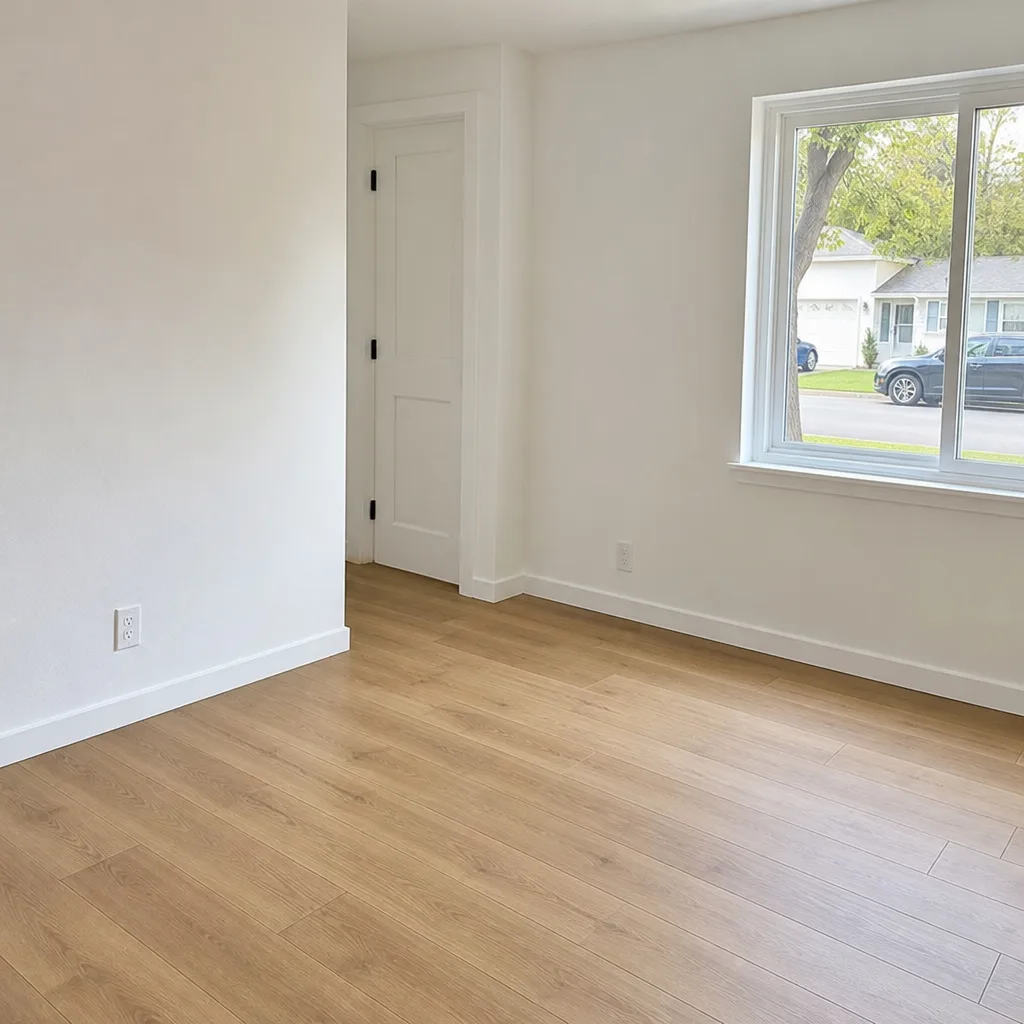
See the difference
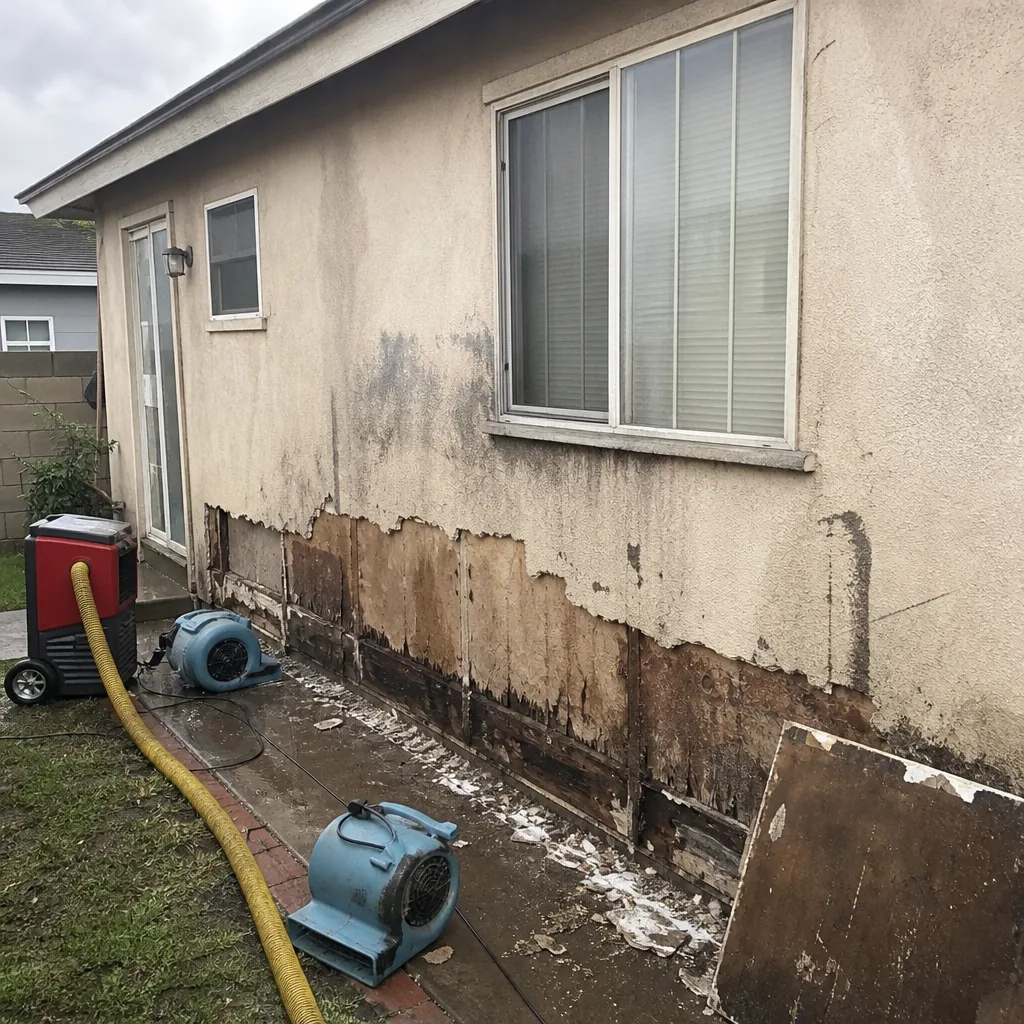 Before
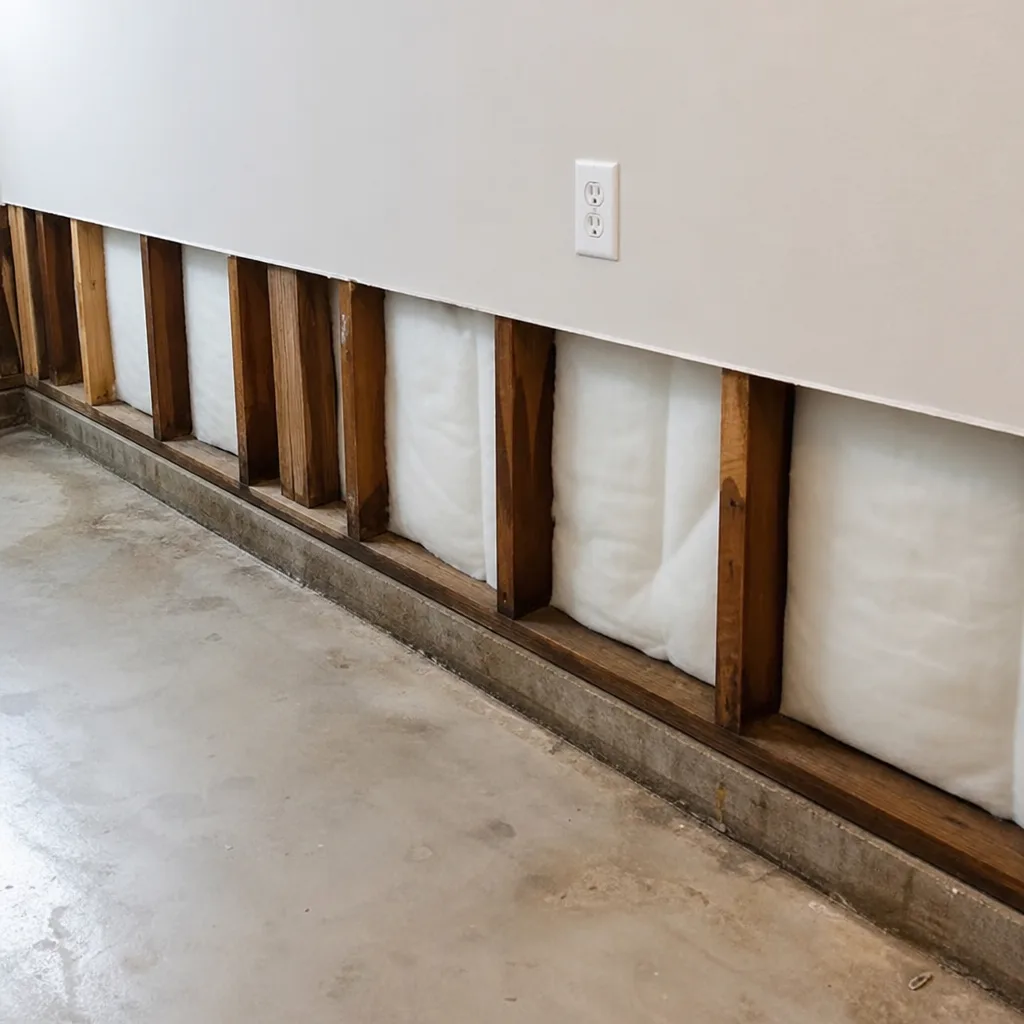 After
After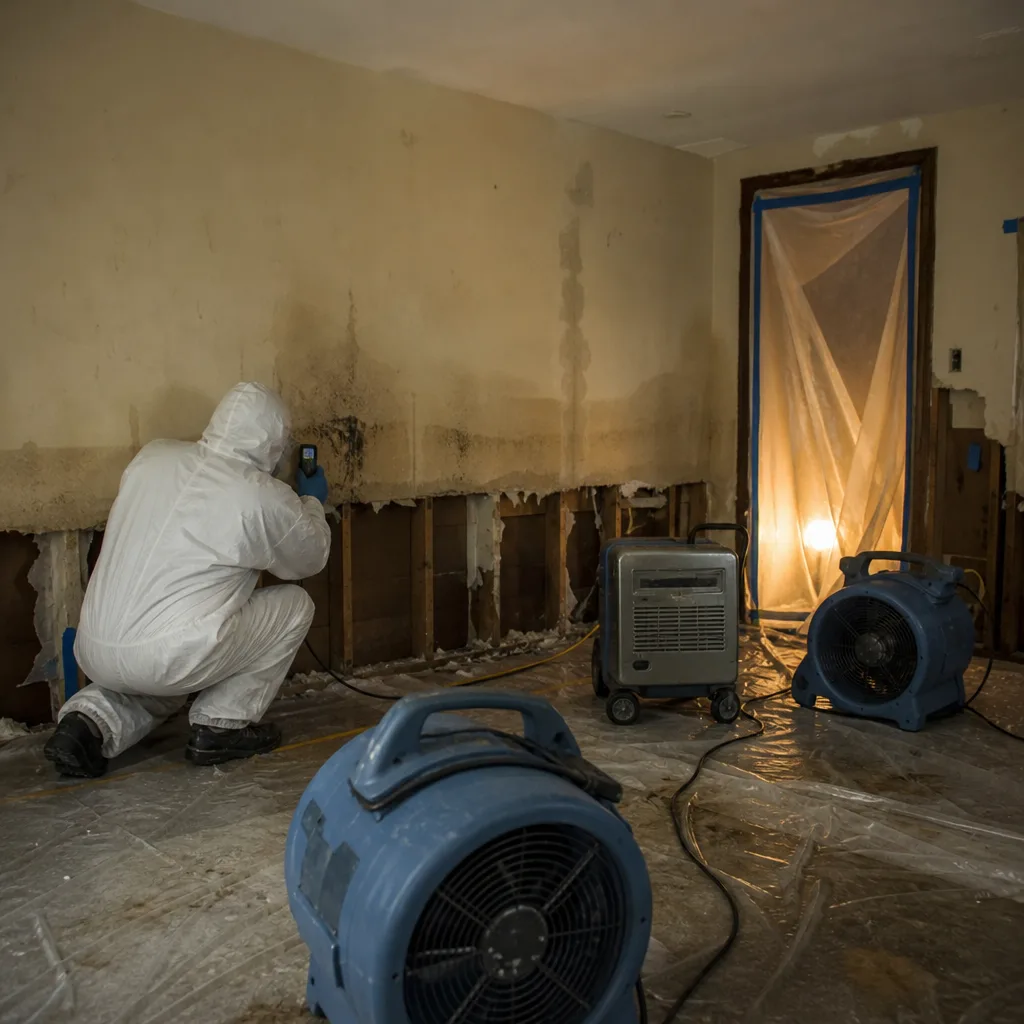 Before
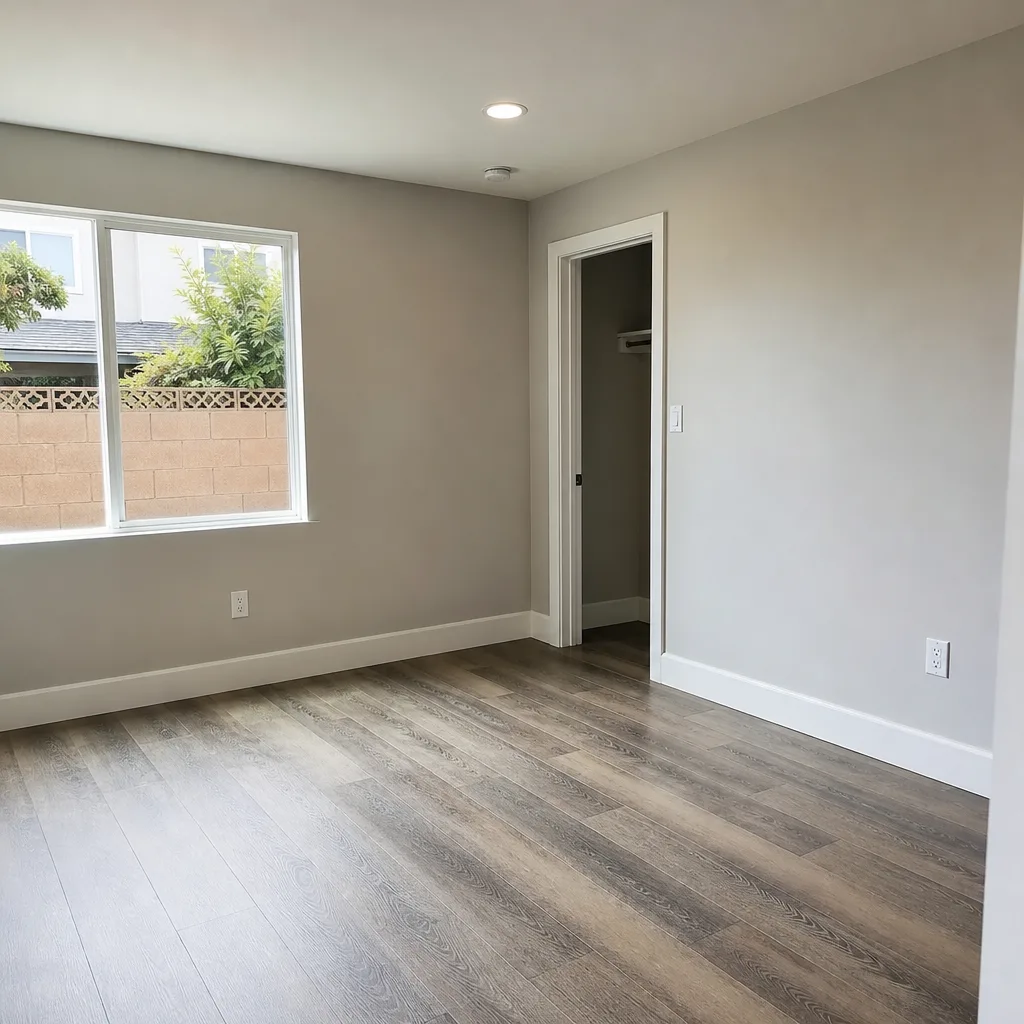 After
After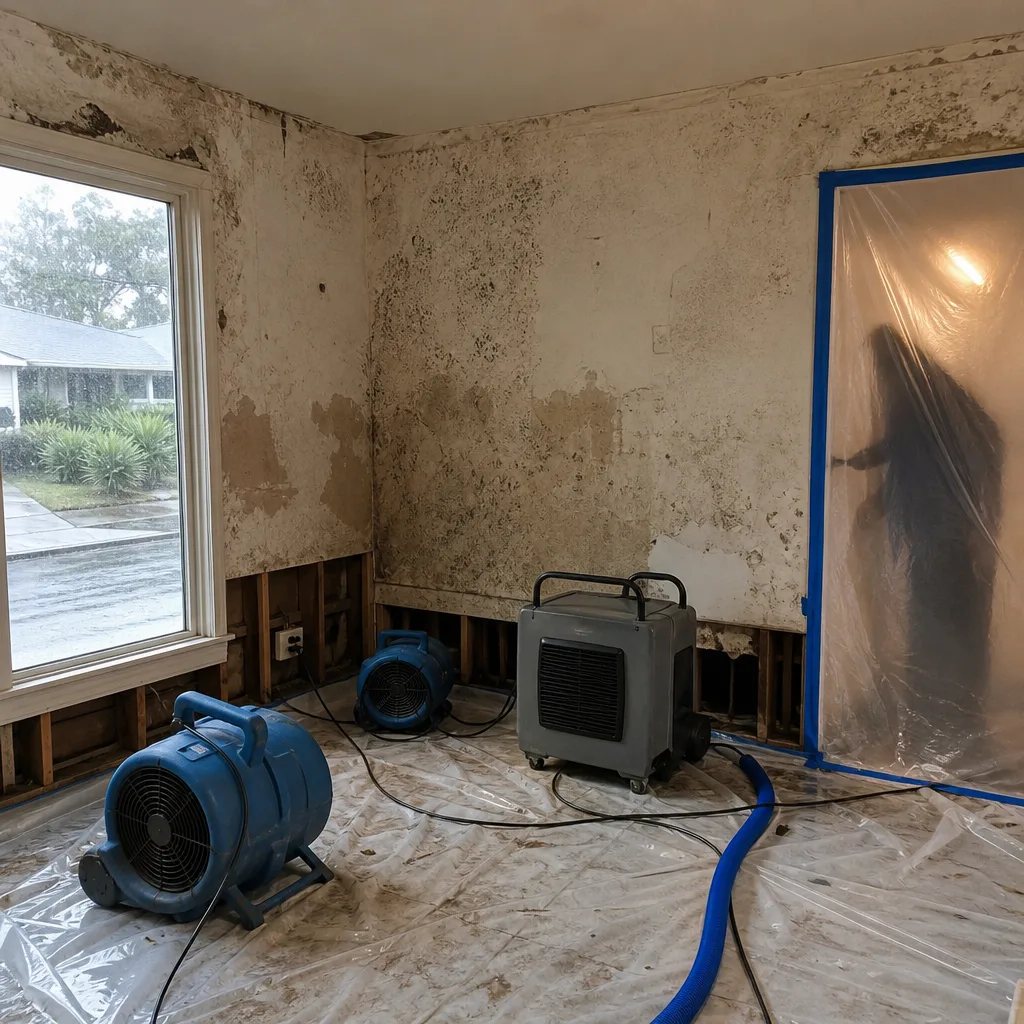 Before
 After
After