
Last updated October 16, 2026
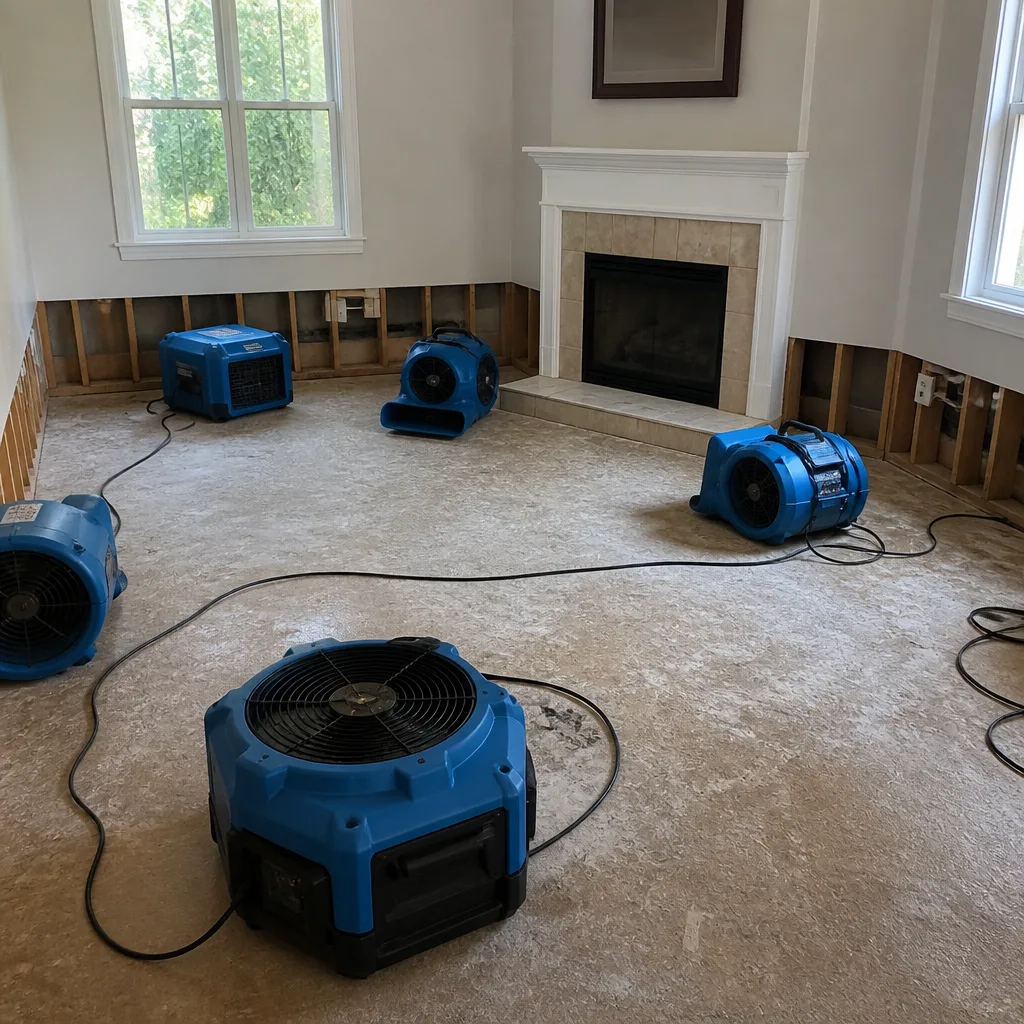 Water damage drying
 Fire & smoke cleanup
 Mold remediation
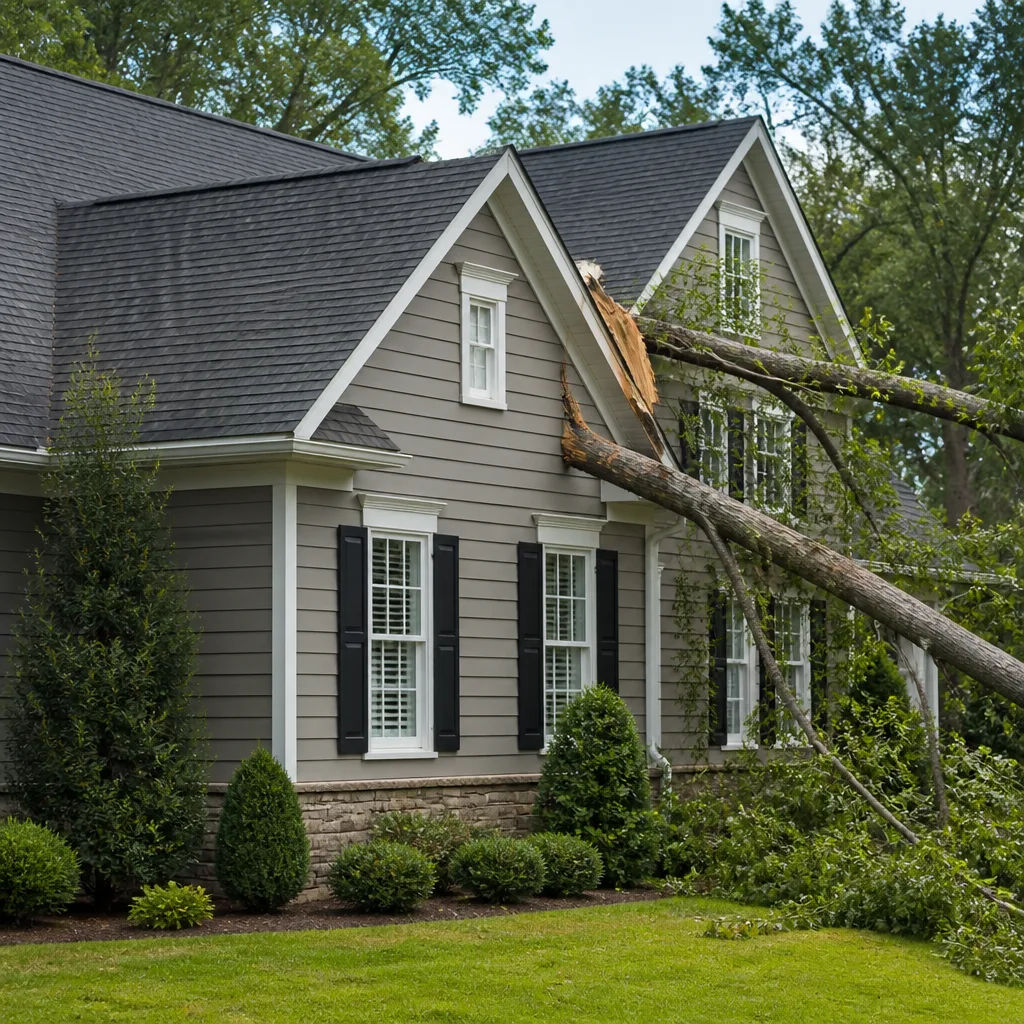 Storm response
 Sewage cleanup
 Reconstruction
Free visual inspection and a written scope of work before any mitigation begins - photos, moisture readings, and drying logs go in your claim file
The scope we write is the scope we bill. Anything new gets shown to you, in writing, before we touch it.
Get your free estimateDamage Restoration Permits, Codes & Inspections in CA: What You Need to Know
Here’s a scenario that plays out in Torrance more often than anyone wants to admit. A homeowner had a slab leak in 2021. The restoration crew ripped out wet drywall, replaced some framing, and patched it all back. No permit. Three years later, the house goes on the market. The buyer’s inspector pulls the permit history and finds nothing for that repair. The sale stalls. The buyer demands a $14,000 price reduction at the last minute. The contractor who did the work doesn’t answer the phone. This guide and our more guides & resources exist so that never happens to you. We’ll walk through what actually requires a permit in California, what doesn’t, how inspections work, how insurance claims connect to the paper trail, and how to check permit history on a Torrance property before you buy or sell.
Quick Answer
In California, emergency water extraction and drying do not require a building permit, but the reconstruction work that follows usually does, including drywall replacement, structural repairs, and any electrical or plumbing changes beyond replacing like-for-like fixtures. A permit creates an inspection record and a documentation chain that supports full insurance reimbursement and protects you at resale. Skipping the permit saves a few hundred dollars upfront and transfers the liability, the title risk, and the negotiation leverage directly to the homeowner.
Restoration work we handle
Table of Contents
- The Threshold Rule: When Restoration Becomes “Alteration” Under Title 24
- What Needs a Permit and What Doesn’t
- Mold Remediation Permits and Clearance: Cal/OSHA and HSC 17920.3
- How to Pull Permit History on a Torrance Property Before You Buy or File a Claim
- The Insurance Documentation Chain: How Permits Affect Your Settlement
- What a Contractor’s Permit Refusal Tells You
- What the Permit Inspection Actually Looks Like on a Restoration Job
- Permits After the Fact: What Happens When Unpermitted Work Is Discovered
- Common Mistakes to Avoid
- When to Call a Professional
- Frequently Asked Questions
The Threshold Rule: When Restoration Becomes “Alteration” Under Title 24
California Code of Regulations Title 24 is the legal backbone of building standards in the state. It draws a line between maintenance and alteration, and that line determines whether you need a permit. The rule is straightforward in principle: if you’re restoring the building to its pre-loss condition using like materials and methods, you’re performing maintenance. The moment you change the structure, move a wall, replace a material with something different, extend a circuit, or alter the design, you’ve crossed into alteration territory, and a building permit is required.
Here’s the part most people miss. Water damage restoration almost never stops at extraction and drying. The drying confirms the framing is sound, or it doesn’t. If the bottom plate of a wall rotted through, that’s structural replacement. If the drywall comes out, the replacement is regulated. If the electrical outlets in that wall got wet, water damage restoration in Torrance often includes rewiring those circuits, and any new wiring is electrical work that requires a permit and inspection. The mitigation phase, which is the emergency response, doesn’t need a permit. The reconstruction phase, which is the part that makes your house whole, frequently does.
In Torrance specifically, the local enforcing agency is the Los Angeles Department of Building and Safety, or LADBS, which operates the Torrance permitting system. Local amendments to the California Building Code apply, and Torrance has specific requirements for water heater strapping, seismic bracing, and garage conversions. None of that matters until you start reconstruction, but when you do, the local amendments matter. A contractor who says “we don’t need permits in Torrance” is either misinformed or choosing to ignore the threshold rule.
What Needs a Permit and What Doesn’t
Let’s lay this out in plain terms. The following list reflects California building code generally and LADBS practice in Torrance. It’s not legal advice, but it’s the practical reality we’ve seen on hundreds of jobs.
Work That Does Not Require a Permit
- Water extraction and structural drying. Setting up air movers, dehumidifiers, and extraction equipment is emergency mitigation, not construction. No permit needed.
- Applying antimicrobial or biocide treatments to exposed framing after drying. This is a surface treatment, not a structural modification.
- Replacing like-for-like finish materials in small areas, such as a single section of baseboard or a few square feet of tile, as long as the substrate is sound.
- Painting and refinishing, including sealing and priming.
- Replacing a faucet, a supply line, or a pressure relief valve without altering the plumbing system. This is a repair, not an alteration.
- Cleaning and content restoration, including dry cleaning, ultrasonic cleaning, and deodorization.
Work That Typically Requires a Permit
- Drywall replacement beyond a minor patch. When damaged drywall exceeds roughly 10% of a wall or ceiling area, LADBS treats it as alteration, not maintenance.
- Structural framing repairs, including section replacement of studs, joists, rafters, bottom plates, or headers. Any time you cut out damaged wood and splice in new framing, a structural permit is required.
- Electrical rewiring or circuit replacement. If outlets, switches, or wiring in a damaged wall need to be replaced, that triggers electrical permitting under the California Electrical Code.
- Plumbing repiping or rerouting. Replacing a burst section of copper or PEX with the same size and type is a repair. Rerouting the line, changing pipe size, or altering the drain layout is an alteration.
- HVAC duct replacement. Water-soaked ductwork that gets replaced rather than cleaned triggers a mechanical permit.
- Window or exterior door replacement when the rough opening changes or when fire-rated assemblies are involved.
- Any work that changes the use or layout of a room, including converting a damaged garage bay into living space during reconstruction.
We’ll be direct about this. The drywall rule is the one that catches people most often in Torrance. A ceiling comes down, the homeowner wants it patched and painted, and the contractor says no permit needed. Then the buyer’s inspector looks at the permit history and sees nothing. It becomes a negotiation problem, not just a code problem.
Mold Remediation Permits and Clearance: Cal/OSHA and HSC 17920.3
Mold remediation operates under a different regulatory framework than general water damage restoration, and this is where California is more specific than most states. There is no building permit required specifically for mold removal itself, but the work must comply with California Health & Safety Code Section 17920.3, which defines mold as a substandard condition in residential buildings, and with Cal/OSHA’s worker safety standards for mold exposure. This means a licensed contractor performing mold remediation in Torrance operates under a set of compliance rules that go beyond what the building department checks.
Here’s what a compliant mold job looks like in practice. The remediation contractor sets up containment, which is required under the applicable standards of care. They establish negative air pressure using HEPA-filtered equipment, remove affected porous materials such as drywall, carpet, and insulation, and clean non-porous surfaces. Then they perform post-remediation verification. That verification, often called a clearance, is a third-party inspection that measures airborne spore counts and visually confirms the absence of visible mold growth in contained areas. A clearance report from an independent environmental consultant or indoor environmental professional is what you want before containment comes down.
The permit angle on mold is indirect but real. If the mold remediation removed drywall and the reconstruction portion requires new drywall, insulation, or framing repair, the reconstruction triggers the same building permit requirements described above. And in a Keegan Restoration Torrance home, we document the entire mold process photographically and in writing because the clearance report and the permit record together are what give a future buyer confidence that the job was done to standard.
How to Pull Permit History on a Torrance Property Before You Buy or File a Claim
Pulling permit history in Torrance is easier than most people think, and you should do it before you buy a property, before you list one, or before you file an insurance claim on a home you’re not sure about. The LADBS permit search portal is the tool. Here’s the process.
- Go to the LADBS Building Records search page. Navigate to the official LADBS website and select “Online Services” then “Search Building Records.”
- Enter the property address. Use the full street address, including the ZIP code. Torrance addresses use 90501 through 90505 depending on the neighborhood.
- Review the permit history. Look for permits tied to the address. Each record shows the permit number, issue date, status, and a brief description of the work. Permits for “alteration – repair” or “reconstruction” are the ones you’re looking for.
- Check the status field. A permit that was issued but never received a final inspection is an open item. If the final inspection shows “C of O” or “signed off,” the permit is closed.
- Purchase copies if needed. LADBS allows you to order copies of permits and inspection records. There’s a fee, but it’s small compared to what unpermitted work costs at resale.
- For older homes in Torrance’s historic districts, such as Old Torrance or the Hollywood Riviera, check with the Torrance Historical Society or the city’s planning department if the LADBS records appear incomplete. Some pre-1970 permits were never digitized.
One more thing worth knowing. If the permit history shows no record of a repair that you know happened, that’s not proof the work was done incorrectly, but it is proof the work was never inspected. The distinction matters. Uninspected work is a wild card. It may be fine, or it may be hiding a fire hazard, a structural compromise, or a mold problem behind new paint. The only way to know is to open the wall or order an invasive inspection.
The Insurance Documentation Chain: How Permits Affect Your Settlement
Insurance companies reimburse based on documentation. The more complete the documentation chain, the stronger your position for full replacement cost rather than actual cash value, which depreciates materials. Here’s the chain and where permits fit in it.
- Loss documentation at the moment of damage. Photos, videos, and a written description. This is where the file starts. Any restoration contractor worth a contract documents this before touching a wall.
- Scope of loss. A written itemization of what was damaged, what gets removed, what gets replaced, and what it costs. This is the foundation of your claim.
- Mitigation records. Daily drying logs using moisture meters, thermal imaging, and psychrometric readings from equipment. These records prove the drying was done correctly, which matters in water damage restoration claims involving secondary damage disputes.
- The building permit. The permit application lists the scope of reconstruction work in detail. It puts the scope on the public record. An adjuster cannot argue the work didn’t include what the permit describes.
- Inspection sign-offs. Each inspection that passes gets recorded by the building department. The final sign-off is proof that licensed inspectors confirmed the work complied with code.
- Final invoice and photos. The completion record ties it together.
When a claim goes to dispute, which happens more often than contractors admit, the difference between a permitted job and an unpermitted one is the difference between a file that speaks for itself and a file where the homeowner has to prove the work was done at all. Adjusters are trained to look for the permit. If it’s missing, the claim doesn’t automatically get denied, but the leverage shifts. We’ve seen cash-value settlements offered on unpermitted work where replacement cost should have applied. The permit is the proof.
For fire damage restoration claims specifically, the permit documentation becomes even more critical. Fire repairs involve structural elements, electrical systems, and sometimes gas lines, all of which carry permit requirements. A fire claim without permits is a red flag to any adjuster, and a red flag to any future buyer.
What a Contractor’s Permit Refusal Tells You
Here’s the uncomfortable truth about contractors who say “you don’t need a permit for this.” Sometimes they’re right. Most of the time they’re not. And in a small but real number of cases, they’re actively avoiding the inspection because they don’t want a building inspector looking at their work.
Let’s break down the three types of permit refusals. The first type is the contractor who says no permit is needed for mitigation, and that’s correct, as long as the job stops at extraction, drying, and cleaning. The second type is the contractor who says no permit is needed for reconstruction, and that’s wrong, unless the reconstruction is entirely surface-level and trivial, a distinction we cover in DIY vs Professional Damage Restoration: The Torrance Homeowner’s Decision Guide. The third type is the contractor who says “we’ll pull the permit later” or “we don’t pull permits, but you can do it.” That’s the one to walk away from.
When a contractor refuses to pull a permit on work that requires one, they’re telling you three things. They don’t want the oversight. They don’t plan to document the work to the standard your insurance company expects. And they’re not standing behind the job, because if they were, the permit would be part of how they prove their work. At Keegan Restoration Torrance, we work to The Garrison Standard. The price is in writing before any work begins, the scope is documented, and if reconstruction triggers a permit, we pull it. Not because we like paperwork, but because the paperwork protects the homeowner.
What the Permit Inspection Actually Looks Like on a Restoration Job
If you’ve never gone through a building inspection on a restoration job, it’s simpler than you might expect, and knowing the sequence helps you understand why documentation matters.
During a typical water damage reconstruction in Torrance, the structural permit triggers an inspection after the framing repair is exposed and before the drywall goes back up. An LADBS inspector comes out, looks at the splice work, checks the nailing pattern, confirms the lumber is the right grade and treatment, and signs off. Then the drywall goes up. If there’s electrical work, the electrical inspector checks the wiring before rough-in coverage. If there’s plumbing, the plumbing inspector does the same. After the finishes are in place, there’s usually a final inspection where the inspector verifies the work is complete and consistent with the permit application.
Each of these sign-offs goes into the building record. That record is permanent. When the property is sold, the permit history shows the repair, the inspections, and the final sign-off. That’s the difference between a house with a documented repair history and a house with a gap. In Torrance’s real estate market, where buyers are increasingly sophisticated and inspectors are increasingly thorough, that gap has a dollar value, and it’s not in the seller’s favor.
Permits After the Fact: What Happens When Unpermitted Work Is Discovered
Unpermitted work gets discovered in three ways. The buyer’s inspector finds it. The seller discloses it. Or the building department catches it during an inspection of adjacent permitted work. In Torrance, all three happen regularly.
If unpermitted work is discovered before a sale, the seller has a few options. They can disclose it and negotiate the price. They can apply for an after-the-fact permit, which involves having the work inspected as-is, opening walls if the inspector requires it, and paying double fees, which is the standard penalty. Or they can take the risk of selling without disclosure, which is illegal and creates liability that follows the seller for years. The after-the-fact permit is the right call, but it’s expensive and invasive. Tearing out drywall that was just finished to let an inspector look at the framing is not the same as doing it right the first time.
If the unpermitted work is discovered after the sale, the new owner has a legal claim against the seller if the seller knew or should have known about the defect and failed to disclose it. In California, that’s a standard fraud and non-disclosure action. The seller’s liability can include the cost of bringing the work to code, the loss of value, and attorney’s fees. It’s the worst kind of tail risk, because it can surface years after the sale. The contractor who skipped the permit is gone. The seller is left holding it.
Common Mistakes to Avoid
- Believing that mitigation and reconstruction are the same thing for permit purposes. They aren’t. The emergency response doesn’t need a permit. The permanent repair almost always does. Confusing the two is how Torrance homeowners end up with unpermitted drywall and framing.
- Letting the contractor decide on permits without asking. Some contractors will tell you whatever makes the job close faster. The permit isn’t their liability; it’s yours. Ask directly: “Does this work require a permit, and will you pull it?” Get the answer in writing.
- Skipping the permit to save money. A building permit for a typical water damage reconstruction in Torrance runs a few hundred dollars, depending on the scope. That’s a rounding error compared to the cost of an after-the-fact permit, which doubles the fees, or a price reduction at resale, which can run into five figures.
- Failing to check permit history before buying. Ten minutes on the LADBS portal tells you whether the house has documented repair history. A missing permit for known damage work is a negotiating point, not a reason to walk away, but you can’t negotiate what you don’t know.
- Not keeping copies of the permit and inspection records. Those records belong in a folder with the closing documents of the house. When you sell, you hand them to the buyer. That folder is worth money.
- Assuming the insurance company doesn’t check permits. They do. The claim process includes a review of the property’s building records. An unpermitted repair can reduce a settlement from replacement cost to actual cash value, which in real terms means you pay more out of pocket.
- Trusting a contractor who says the mold clearance isn’t necessary. A mold remediation without a third-party clearance is a cleanup, not a remediation. In Torrance, where coastal humidity makes mold a recurring issue, the clearance is the only proof the job was complete.
When to Call a Professional
If you’re standing in a house with water actively pouring through a ceiling, that’s not a permit question yet. That’s a mitigation question, and the priority is stop the water, extract it, and start drying. The permit conversation happens after the emergency, when you’re deciding who rebuilds the wall. If a contractor handles your reconstruction and says no permit is needed when the work includes drywall, framing, electrical, or plumbing, get a second opinion before signing anything. And if you’re buying or selling a Torrance property with potential prior water or fire damage, pulling the permit history early is the single most useful thing you can do, as outlined in How to Hire a Damage Restoration Contractor in Torrance: A Step-by-Step Guide. Keegan Restoration Torrance offers free estimates in Torrance. Call (424) 323-4271 and we’ll walk through the scope, the permit requirements, and the documentation your insurance company will want.
Frequently Asked Questions
You do not need a building permit for emergency water extraction, drying, and sanitizing, which is the mitigation phase of restoration. You typically do need a permit for the reconstruction phase, including drywall replacement beyond minor patches, structural framing repair, electrical rewiring, and plumbing changes. The threshold is whether the work is restoring like-for-like or altering the building.
Building permit fees in Torrance depend on the scope and valuation of the work. A small drywall and insulation replacement might cost $150 to $400 in fees. A structural repair with electrical and plumbing can run $800 to $2,500 or more in total permit costs. After-the-fact permits are typically double the standard fee. For an exact quote, Keegan Restoration Torrance home services include permit costing in the written scope.
Your insurance policy doesn’t require you to pull a permit, but the documentation a permit creates becomes part of your claim file. A permitted, inspected job supports a replacement cost settlement. An unpermitted job is more likely to be settled at actual cash value, which means you eat the depreciation on the materials and labor.
You’re required to disclose it. If you don’t, and the buyer discovers it, you face a non-disclosure claim that can include repair costs, price reduction, and attorney’s fees. If you do disclose it, the buyer will almost certainly negotiate the price down. The better path is to resolve the permit before listing, either with an after-the-fact permit or by documenting the work fully.
Mold removal itself does not require a building permit in Torrance. However, mold remediation must comply with California Health & Safety Code 17920.3 and Cal/OSHA standards, and if the remediation removes drywall or insulation and those materials get replaced as part of reconstruction, that replacement work triggers the normal building permit requirements. A third-party clearance report should document the completion of any mold job.
Use the LADBS online Building Records search and enter the property address. The portal shows issued permits, inspection status, and descriptions. Visit the page for the Torrance address, look for permits labeled repair, alteration, or reconstruction, and check whether the final inspection shows as signed off. If the records are incomplete, contact the LADBS Torrance district office directly. Call (424) 323-4271 if you’d like help interpreting what you find.
The Bottom Line
Permits are not a bureaucratic add-on to restoration work. They’re the legal record that the repair was done correctly, the evidence your insurance company uses to pay you fully, and the document a future buyer uses to trust the house. In Torrance, where the housing stock is older and the coastal climate creates recurring moisture problems, the permit record matters more than in most places. Mitigation requires speed. Reconstruction requires paperwork. A good restoration company handles both. If a contractor tells you to skip the permit on work that needs one, you’re not saving money. You’re buying the liability.
Written by Shane Pruitt, Owner at Keegan Restoration Torrance, serving Torrance since 2005.
See the difference
 Before
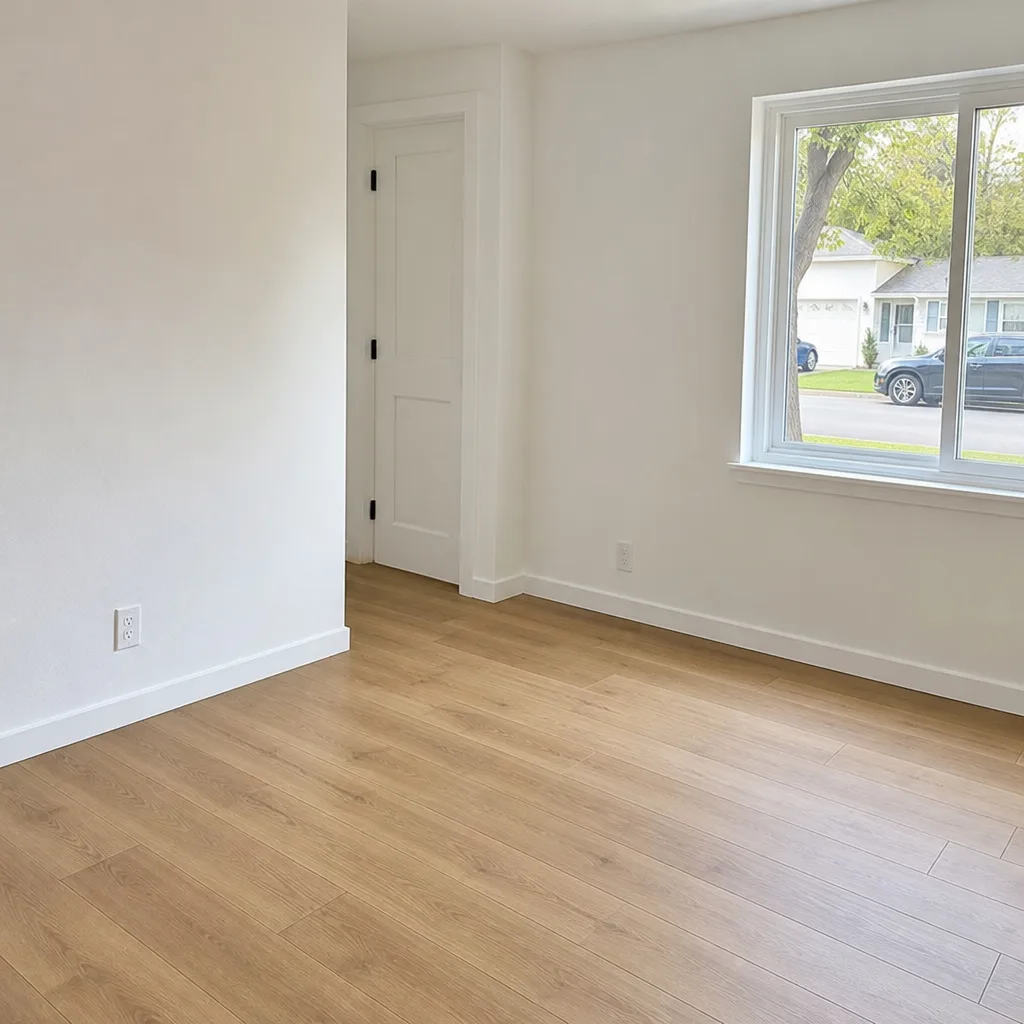
 After
After Before
 After
After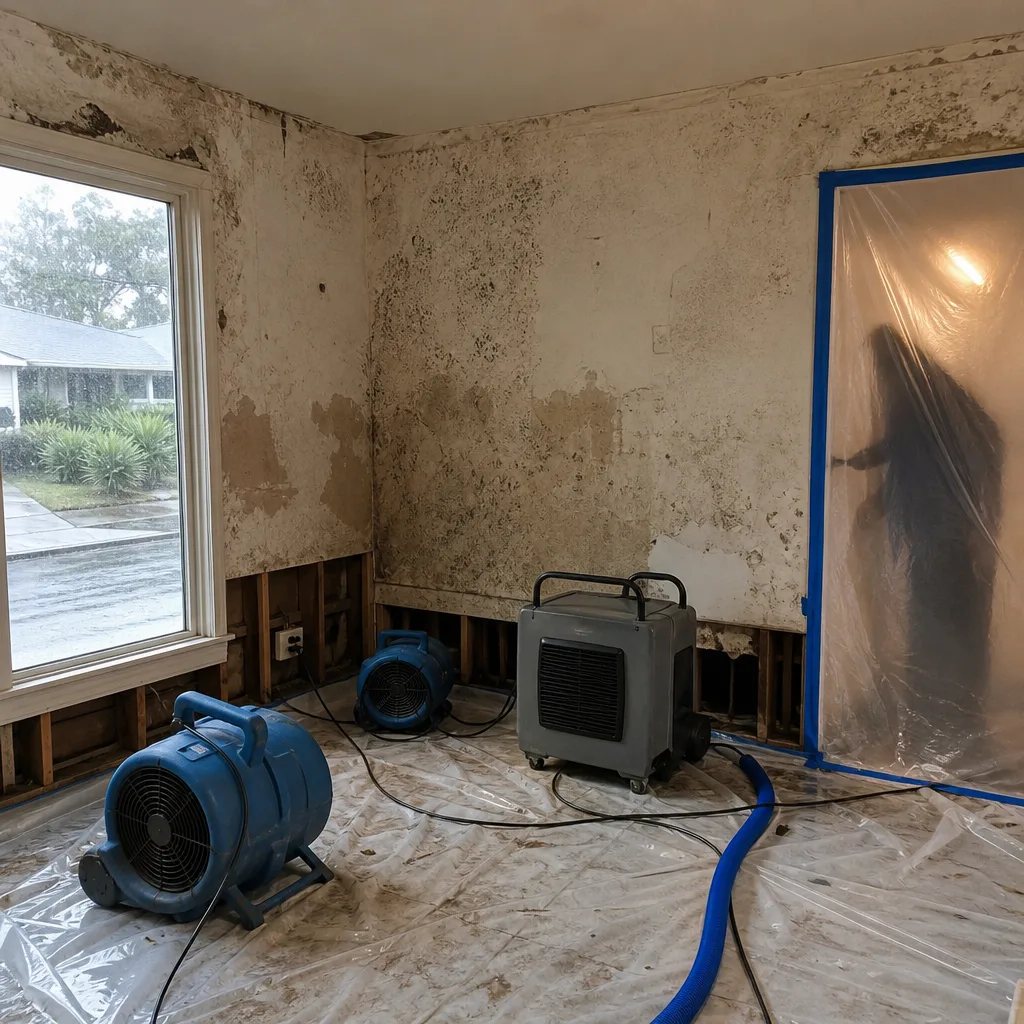 Before
 After
After