
Last updated October 16, 2026
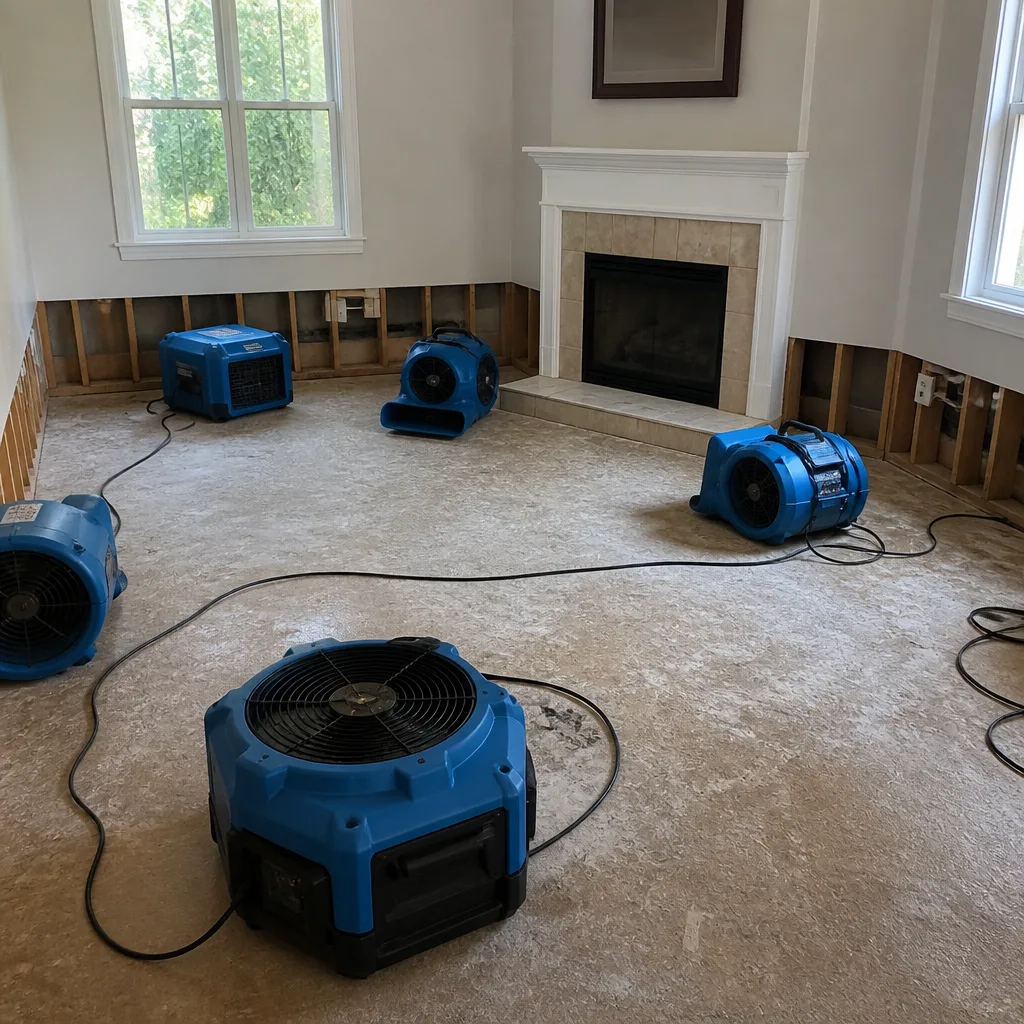 Water damage drying
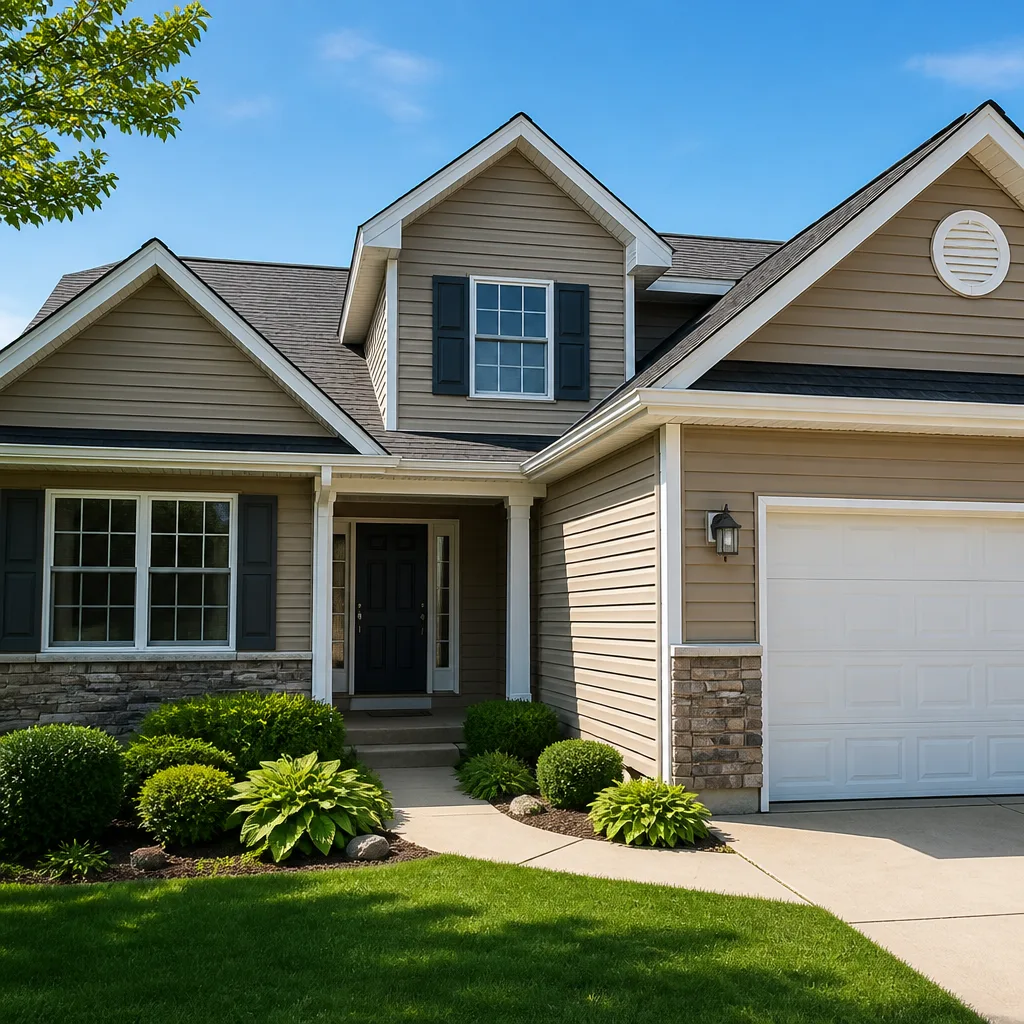 Fire & smoke cleanup
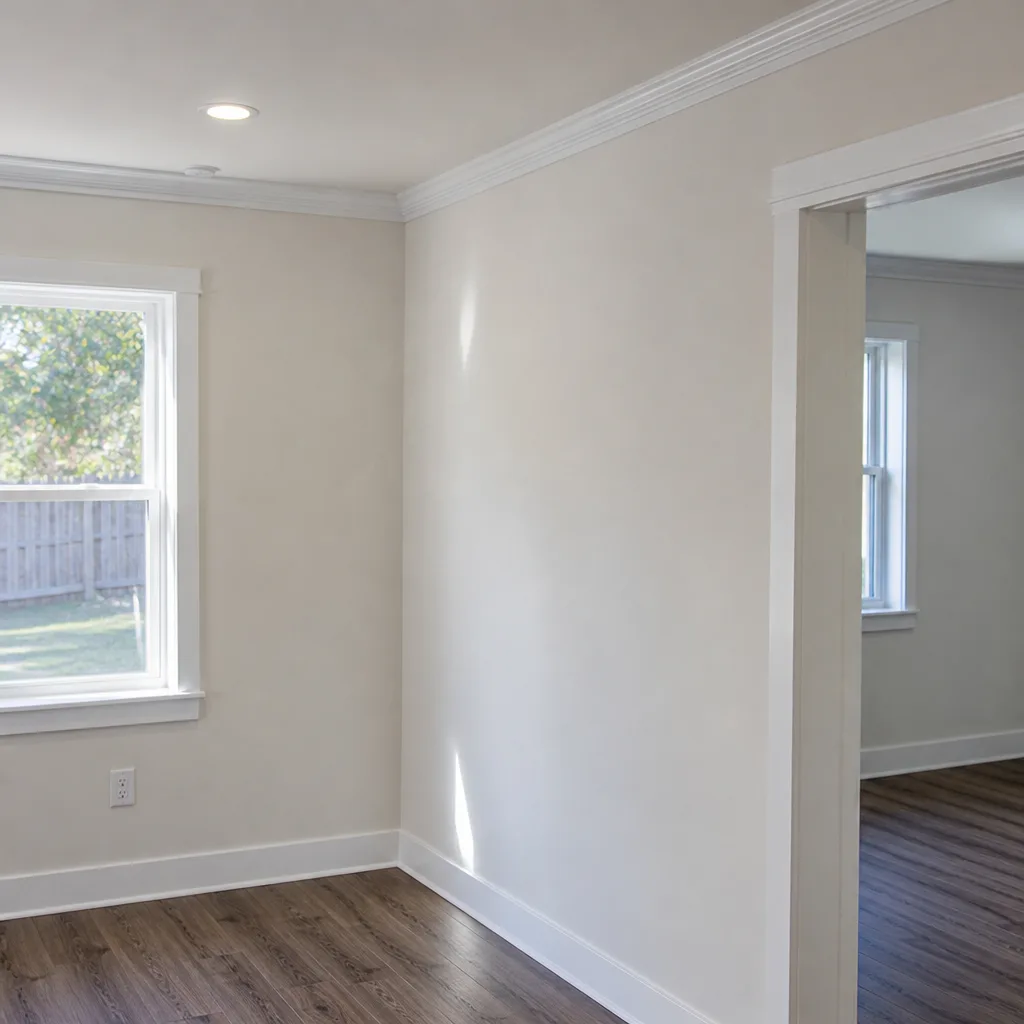 Mold remediation
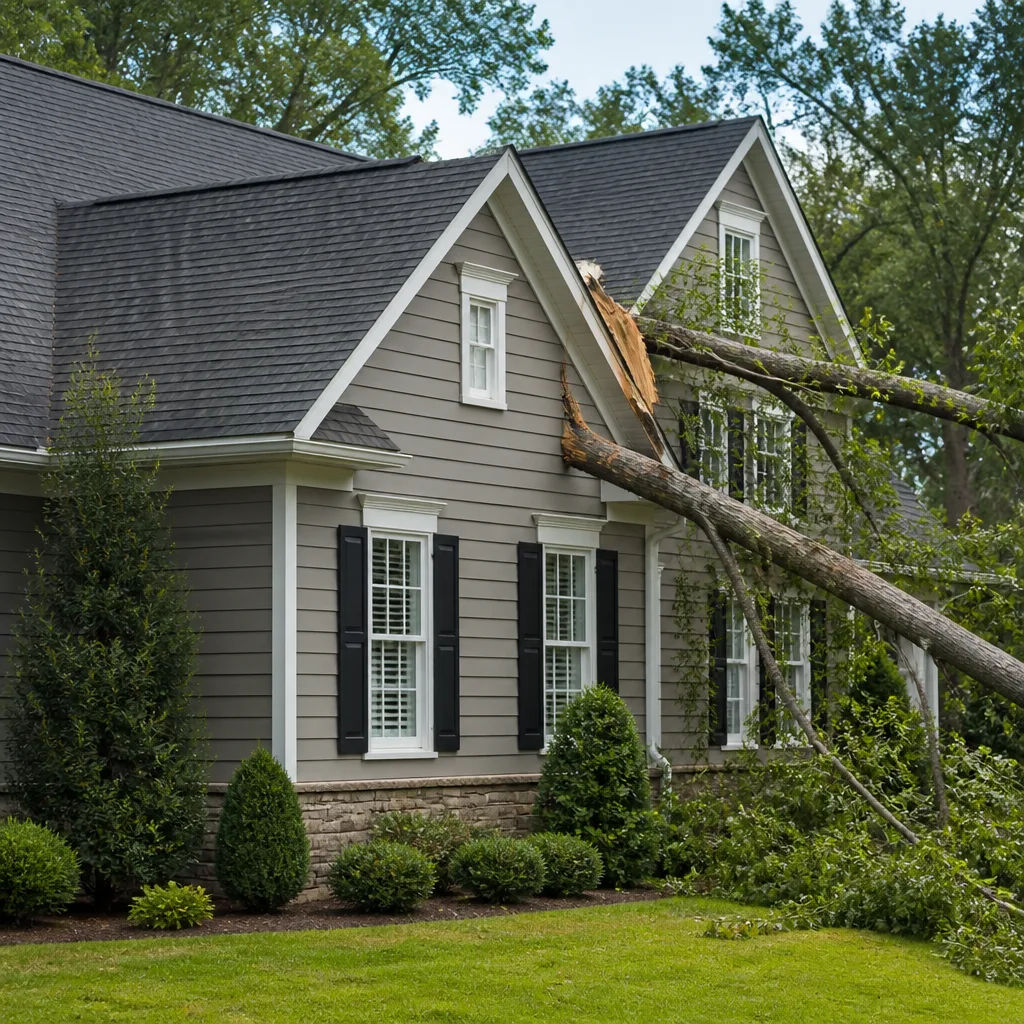 Storm response
 Sewage cleanup
 Reconstruction
Free visual inspection and a written scope of work before any mitigation begins - photos, moisture readings, and drying logs go in your claim file
The scope we write is the scope we bill. Anything new gets shown to you, in writing, before we touch it.
Get your free estimateDamage Restoration Cost Breakdown: The Torrance Homeowner’s Reference for 2026
Most restoration invoice disputes in Torrance are not fraud. They are a legitimate line item that the homeowner didn’t know they agreed to because the written estimate used trade shorthand. “Applied structural drying” means something specific, and most people sign it without knowing what it includes. This guide standardizes what every line item actually covers so you can compare estimates on equal terms, spot the difference between a disciplined price and a moving target, and recognize the Damage Restoration Warning Signs: A Torrance Homeowner’s Reference Guide recommends documenting before work begins.
Quick Answer
Water damage restoration in Torrance typically costs $2,800 to $9,500 for mitigation and $3,500 to $25,000+ when reconstruction is required, depending on the water category and affected square footage. Mold remediation in Torrance runs $1,800 to $8,500 by containment size, and fire damage restoration starts around $4,000 and can exceed $40,000 when smoke penetration is deep. The spread exists because contractors define line items differently. A written scope of loss with equipment counts, daily moisture logs, and a defined drying standard is the only way to compare bids accurately.
Restoration work we handle
Table of Contents
- Water Mitigation Costs in Torrance: Square Footage and Water Category
- Mold Remediation Costs: Containment Size and Protocol
- Fire Restoration Costs: Smoke Penetration Depth and Scope
- The Equipment Line Items Explained: What You’re Actually Paying For
- What Insurance Pays, What It Disputes, and the Documentation Required
- Price-Manipulation Tactics That Inflate Invoices
- The Written Guarantee Clause as a Cost Factor
- Common Mistakes to Avoid
- When to Call a Professional
- Frequently Asked Questions
Water Mitigation Costs in Torrance: Square Footage and Water Category
Water mitigation is the first phase of any water damage job. It means stopping the source, extracting standing water, setting up drying equipment, and monitoring until moisture returns to baseline. It does not include putting your walls back together. That is reconstruction, and it is billed separately.
Torrance pricing in 2026 breaks down by two variables: how much square footage is wet, and what category of water you are dealing with. Category 1 is clean water from a supply line or failed water heater. Category 2 is grey water from a washing machine overflow or sump pump failure. Category 3 is black water from sewage or floodwater that carried contaminants in from outside. Category 3 always costs more because it requires antimicrobial treatment, controlled demolition, and disposal of porous materials under stricter protocols that fall under Damage Restoration Permits, Codes & Inspections in CA: What You Need to Know.
Here is what we see across Torrance for mitigation only:
- Small isolated loss, under 150 square feet, Category 1: $2,800 to $4,500. This covers a bathroom supply line failure or water heater leak in a garage that was caught early.
- Mid-size loss, 150 to 500 square feet, Category 1 or 2: $4,500 to $7,500. This is the typical under-sink leak that ran overnight and soaked into adjacent rooms before you caught it.
- Large loss, 500+ square feet, Category 1 or 2: $7,500 to $12,000. A pipe failure behind a wall that ran for days and saturated multiple rooms.
- Category 3 sewage backup or floodwater, any size: $5,000 to $15,000+ for mitigation alone, because the work includes full containment, removal of contaminated materials, and different drying protocols entirely.
One thing specific to Torrance matters here more than most people realize. Many homes in the South Bay were built between the 1940s and 1970s, and a meaningful share still have plaster-over-gypsum lath or older building materials that hold water differently than modern drywall. Plaster walls in a 1950s Torrance ranch can take longer to dry than drywall in a 1990s build, even with the same equipment running. A contractor who does not account for that will pull equipment too early or bill you for days of equipment that never should have been running. That line item distinction is where a lot of Torrance estimate variance comes from.
At Water Damage Restoration in Torrance, every job begins with a written scope of loss, not a verbal range. The scope lists square footage, water category, the drying standard, and the equipment count required to hit it.
Mold Remediation Costs: Containment Size and Protocol
Mold remediation in Torrance costs between $1,800 and $8,500, with the majority of jobs landing between $2,500 and $5,000. The range is driven almost entirely by containment size and the amount of demolition required, not by the species of mold. Whether the lab report says Cladosporium or Stachybotrys does not change the physical work. What changes the price is how much of your house has to be sealed off, how much material must be removed, and whether the affected area is inside a wall cavity or fully exposed.
Here is the 2026 Torrance breakdown by containment size:
- Small containment, single bathroom or closet, less than 50 square feet: $1,800 to $3,200. This is a shower pan leak or a small roof leak that stained a single ceiling section.
- Medium containment, one room up to 200 square feet: $3,000 to $5,500. A window leak or condensation problem that ran long enough to grow into the wall cavity behind the drywall.
- Large containment, multiple rooms or full crawl space: $5,500 to $8,500+. Torrance’s older homes with vented crawl spaces are particularly prone to this. Coastal humidity combines with poor vapor barriers, and by the time you smell it, the growth has usually spread across the entire subfloor area.
A legitimate mold contractor in Torrance works to a protocol, not an opinion. That protocol includes setting up negative air pressure containment, an air scrubber or two, and HEPA vacuuming after demolition. Each of those is a line item. The containment has a daily cost. The scrubber has a daily cost. The HEPA vacuuming is billed as a lump sum.
Mold cannot be “just cleaned off” when it has penetrated drywall, insulation, or carpet pad. Those materials are porous. They get removed and replaced. A handyman with a bleach spray and no containment will disturb the spores and send them through your HVAC system, which creates a larger problem than you started with.
Mold Remediation in Torrance falls under the same written-scope rule as water work. The scope lists containment dimensions, air scrubber count, material removal quantities, and post-remediation verification steps.
Fire Restoration Costs: Smoke Penetration Depth and Scope
Fire damage restoration in Torrance starts around $4,000 for a small kitchen fire contained to one room with light smoke throughout, and runs past $40,000 when a structure fire has burned deep into framing and smoke has penetrated every wall cavity in the house. The single biggest cost driver is not the burned area. It is the smoke.
Smoke does not stay where the fire was. Smoke behaves like a pressurized gas. It moves through wall cavities, into closets, behind cabinets, and through the HVAC system, depositing soot and odor molecules everywhere it goes. The deeper the smoke penetrated, the more demolition and specialized cleaning the job requires.
Torrance fire restoration cost categories for 2026:
- Light smoke, no structural damage: $4,000 to $8,000. A pot fire that filled the kitchen with smoke but did not ignite cabinets or ceiling material. Work includes dry sponge cleaning, thermal fogging, and ozone or hydroxyl treatment.
- Moderate fire, one to two rooms burned, smoke throughout: $10,000 to $25,000. This is the typical kitchen fire that burned cabinets, melted some drywall, and pushed soot through the entire first floor.
- Major fire, structural damage, full-house smoke: $25,000 to $60,000+. This is a remediation and reconstruction job that must be scoped carefully. Structural drying after fire suppression water is part of this, and so is content cleaning and pack-out in some cases.
Torrance has a lot of older single-story homes with wood framing and composition shingle roofs. Those homes tend to let fire spread through the attic quickly, and they also let smoke drop back down into the living space through the ceiling penetrations around light fixtures and duct registers. That means one of the first things a good Fire Damage Restoration in Torrance contractor will check is the attic and the return-air path before any estimate is written. If those were skipped, the estimate is incomplete.
The Equipment Line Items Explained: What You’re Actually Paying For
The most misunderstood section of any restoration estimate is the equipment section. This is where legitimate charges look suspicious because no one explains what the words mean. The trade words are specific. Here is what they actually cover.
LGR Dehumidifier: LGR stands for low grain refrigerant. These units pull moisture out of the air and are the standard for Category 1 and Category 2 water losses in Torrance. They rent for $75 to $150 per day per unit, and a mid-size loss typically requires two to four. A legitimate contractor will tell you the square footage the unit is rated for and why the count is what it is.
Desiccant Dehumidifier: This is a different technology that uses a rotating wheel to remove moisture. Desiccant units are used when the affected material is hard to dry (hardwood floors, plaster walls, crawl spaces) or when the job requires very low relative humidity. They cost more per day, $200 to $400, and they are sometimes used alongside LGRs on difficult Torrance jobs where marine-layer humidity makes standard drying slower.
Air Mover Count Methodology: Air movers are the floor fans that create airflow across wet surfaces. The count is not a guess. A written scope uses a formula based on square footage of wet material and the air changes per hour required to hit the drying target. Most legitimate scopes call for one air mover per 50 to 100 square feet of wet area, plus extras for wall cavities and under-cabinet spaces. Air movers rent for $25 to $50 per day each. If a scope lists 12 air movers for a 200-square-foot loss, that is either wrong or someone is padding the invoice.
Injectidry Systems: These are used when water is trapped inside wall cavities or under cabinetry that you do not want to tear out. The system forces dry air into enclosed spaces through small holes. It is a legitimate line item, not a scam. It is also the part of an estimate most homeowners have never heard of. We run Injectidry equipment when it saves the customer from unnecessary demo.
The key question to ask about equipment is simple: “Show me the moisture log that justifies this count.” If a contractor cannot produce daily moisture readings that track the drying curve, they cannot justify the equipment rent. At Keegan Restoration Torrance, every scope of loss includes the equipment count alongside the psychrometric readings that support it. Psychrometrics is the science of air and moisture. It is how a professional knows when the job is dry, not when the timer on the rental period runs out.
What Insurance Pays, What It Disputes, and the Documentation Required
Most Torrance homeowners with a sudden water loss or fire are covered under a standard HO-3 policy. Insurance typically pays for sudden and accidental water damage, fire and smoke, and mold remediation when the mold resulted from a covered loss. What gets disputed is not the coverage. It is the documentation.
Here is what insurance companies actually look at when they audit a restoration invoice:
- Photo documentation of every affected area before work starts. If there is no photo, the line item does not exist to the adjuster.
- A written drying plan with starting moisture readings and target readings. The adjuster wants to see that the contractor knew the starting condition and had a defined endpoint.
- Daily moisture logs. This proves the equipment was necessary for the number of days billed.
- Equipment counts tied to square footage. The carrier will compare the scope against their own estimating software.
- Category classification with justification. If a contractor bills a Category 2 classification, the carrier wants to see the evidence.
What insurance typically disputes:
- Equipment rental days beyond what the drying curve supports
- Demolition of materials that could have been dried in place
- Mold remediation without lab confirmation or visible growth documentation
- Content manipulation and pack-out fees without a detailed inventory
- Any line item where the contractor cannot produce a photo or a reading
This is why documentation is the difference between a claim that pays out and a claim that stalls for months. Every job at Keegan Restoration Torrance is recorded and formatted to support your insurance claim. We document the condition, the scope, the drying curve, and the completion report. When the adjuster asks for proof, it is already organized. That has real dollar value. If you choose a contractor who cannot do this, you are accepting the risk of a denied claim.
Price-Manipulation Tactics That Inflate Invoices
Most contractors are honest. Some are not. And a few use tactics that are technically legal but financially brutal. In Torrance, where restoration demand spikes after winter storms and occasional sewage line failures, homeowners need to know what these look like. Here are the recurring patterns we see when we are brought in to audit another company’s invoice.
Equipment left on-site past the drying standard. The drying standard is the moisture content at which a material is considered dry, typically below 16% for wood and below 4% on the scale for concrete. Some contractors keep the equipment running for days or weeks beyond that point, billing daily rental the entire time. Without daily moisture logs, the homeowner cannot challenge it. The equipment is doing nothing after the standard is met.
Unnecessary demolition that triggers higher reconstruction bids. Some contractors tear out drywall that could have been dried in place, then conveniently have a reconstruction arm ready to bid the rebuild. The mitigation invoice grows, and the reconstruction invoice doubles it. This is one reason we run Injectidry drying systems when they can save material instead of demoing it.
“Monitoring” fees without daily moisture logs. A contractor bills for daily monitoring visits but cannot produce a single moisture reading from those visits. Monitoring is a real line item. It is only legitimate if there is a log. If there is no log, the visit did not happen in any way that matters.
Scope inflation during the initial emergency. A homeowner is standing in two inches of water. The contractor says the scope is $2,800, then the final invoice is $7,200 due to “unforeseen conditions.” Some unforeseen conditions are real. But a contractor who works to a written standard will have identified the full scope before equipment goes down, not after.
One price at the door, another in writing. If the written price does not match the verbal quote, that is your signal to stop. The Garrison Standard at Keegan Restoration Torrance is simple: the written price is delivered before any work starts, and it never moves at the door. There is no caveat, no fine print, no “we will see how it goes.”
The Written Guarantee Clause as a Cost Factor
A one-year workmanship guarantee is not a marketing line. It is a cost factor. A contractor who will not put the guarantee in writing is telling you something specific about how they work. What they are telling you is that they expect to be unreachable if the repair fails. That is not a bargain. That is a budget risk with a longer tail.
What a written workmanship guarantee should cover:
- Defects in materials and workmanship on the repair work performed
- A defined response time for a callback
- A free return visit to inspect and address the issue if it is covered
- Specific exclusions, written clearly, so you know what is not covered
What it should exclude (and a legitimate contractor will say so):
- New damage from a different event after the repair was completed
- Damage caused by the homeowner or another contractor altering the work
- Normal wear and material aging unrelated to workmanship
- Secondary issues that would have occurred regardless of the repair quality
At Keegan Restoration Torrance, the 365-Day Done Right Promise is part of The Garrison Standard. If the repair fails within one year, we return and make it right at no charge. It is in writing, on every job, no exceptions. That guarantee is part of why our written price has to be accurate the first time. A contractor who writes a sloppy scope and covers it with a vague guarantee will eventually get called back on every job, and that eats their margin. A contractor who works to a written standard can afford to stand behind the work because they only had to do it once.
The other side of this coin is the free estimate. Some contractors charge for estimates and apply the fee to the job if you hire them. Others give a verbal ballpark and then pressure you during the emergency. Keegan Restoration Torrance offers free estimates, and the price is delivered in writing before any work begins. That is not a policy created for marketing. It is the only way to run a restoration company with a one-year written guarantee and survive as a business.
Common Mistakes to Avoid
- Signing an estimate that uses trade shorthand without asking what each line means. “Applied structural drying” is not decoration. It is the core of the mitigation. Ask for the square footage, the equipment count, and the drying standard before you sign.
- Choosing the cheapest bid without comparing line items. The cheap bid usually omits something specific. It omits containment. It omits daily monitoring. It omits post-remediation verification. That missing line item is what you pay for later.
- Not photographing the damage before work starts. Your photos support the claim. If the contractor does the documentation, it is good. If you do it too, it is better. Photograph everything before any equipment goes down.
- Assuming your HO-3 policy covers mold remediation no matter what. Insurance covers mold when it results from a covered loss, like a sudden pipe break. It does not cover mold from long-term humidity, slow leaks that ran for months, or poor ventilation in a Torrance bathroom without an exhaust fan. Those are maintenance issues, and the carrier will deny them.
- Pulling drying equipment early because the floors feel dry to the touch. Materials hold moisture below the surface. A floor can feel dry and still be at 20% moisture content. Pulling equipment early means the drying curve stops, and you get a callback for microbial growth later.
- Hiring a contractor who will not write the scope before starting work. The scope of loss is the single most important document on any restoration job. No written scope, no start. Full stop.
- Ignoring the guarantee clause because it seems like fine print. The guarantee is the difference between a contractor who stands behind their work and one who is already gone. Read it. Ask what it covers. If they cannot tell you, that is your answer.
When to Call a Professional
Some jobs you handle yourself. A small toilet supply line leak that you caught immediately and mopped up is a maintenance issue. But most restoration work in Torrance is beyond DIY, and the threshold is lower than most homeowners think. If the water touched drywall, baseboards, or flooring and sat for more than a few hours, you need drying equipment and moisture monitoring, not towels and a fan. If you smell mold but cannot see it, the growth is inside a wall or ceiling cavity, and opening that without containment sends spores airborne through your home. If the fire was large enough to require a fire department response, the smoke has penetrated places you cannot see, and trying to clean it yourself will bake the soot into the paint. In every one of these scenarios, a professional with the right equipment and a written scope is cheaper than the alternative: a secondary loss that grows because you skipped the DIY vs Professional Damage Restoration: The Torrance Homeowner’s Decision Guide analysis.cause the first one was handled wrong.
Keegan Restoration Torrance offers free estimates in Torrance. Call (424) 323-4271. A live person answers, 24 hours a day, 7 days a week, because water does not wait for business hours.
Frequently Asked Questions
Water damage restoration in Torrance costs $2,800 to $9,500 for mitigation depending on square footage and water category, and $3,500 to $25,000+ when reconstruction is included. Category 3 sewage or floodwater losses run $5,000 to $15,000+ for mitigation alone due to contamination protocols and required demolition. Call (424) 323-4271 for an exact written quote based on your specific loss.
Insurance covers sudden and accidental water damage, like a burst pipe or failed water heater, but not slow leaks, maintenance failures, or floodwater from outside your home. The claim is paid based on the documentation the contractor produces, including photos, daily moisture logs, and a written scope of loss. Many Torrance homeowners get their claims delayed because the contractor could not produce those documents.
A restoration company with 24/7 live dispatch can have a crew on-site in Torrance within one to two hours, sometimes faster depending on where in the city you are. The faster the water is extracted and drying equipment is placed, the less demolition the job requires. Keegan Restoration Torrance answers every call with a live person, 24 hours a day, and dispatches from a local location to Torrance neighborhoods.
Mold remediation in Torrance runs $1,800 to $8,500, with most jobs landing between $2,500 and $5,000. The cost is driven by containment size and the amount of demolition required, not by the type of mold. Small bathroom containment costs less than a full crawl space. A post-remediation verification is included in a legitimate scope and costs roughly $300 to $600 depending on the lab.
If the mold is on a non-porous surface like tile or glass, cleaning with a proper antimicrobial product is usually sufficient. If the mold is on drywall, insulation, carpet pad, or inside a wall cavity, the material must be removed and replaced under containment. Cleaning porous surfaces disturbs the spores and spreads them through your home. A professional assessment should tell you which condition you have before any work begins.
Fire damage restoration in Torrance starts around $4,000 for light smoke with no structural damage and runs past $40,000 for structural fires with deep smoke penetration. The biggest cost driver is smoke penetration depth, because smoke travels through wall cavities, into closets, and through the HVAC system far beyond the burn area. A full scope includes structural drying from fire suppression water, which is a line item many homeowners forget to account for. Call (424) 323-4271 for an exact written quote based on your specific loss.
The Bottom Line
Restoration estimates in Torrance vary by 40 to 200 percent for identical scopes of work because the industry uses inconsistent line-item definitions. One contractor’s drying includes equipment. Another bills it separately. Neither volunteers the distinction, and the homeowner is left comparing numbers that are not measuring the same thing. The fix is a written scope of loss with defined square footage, water category, equipment counts, daily moisture logs, and a drying standard, which you can learn to read in more guides & resources on our site. That document is the foundation of every legitimate restoration job in this city, and the contractor who cannot produce one before work starts is the one who will cost you the most in the end.
If you are dealing with water, fire, or mold damage in Torrance, start with a written price and a defined scope. Keegan Restoration Torrance has been part of the Garrison Partners family since 2005. Our technicians are background-checked and uniformed. Our equipment roster includes Dri-Eaz, Phoenix, and XPOWER drying systems operated to IICRC standards. And every repair is backed by the 365-Day Done Right Promise in writing. Call (424) 323-4271 for a free estimate. The price is written before any work starts, and it never moves at the door.
Written by Shane Pruitt, Owner at Keegan Restoration Torrance, serving Torrance since 2005.
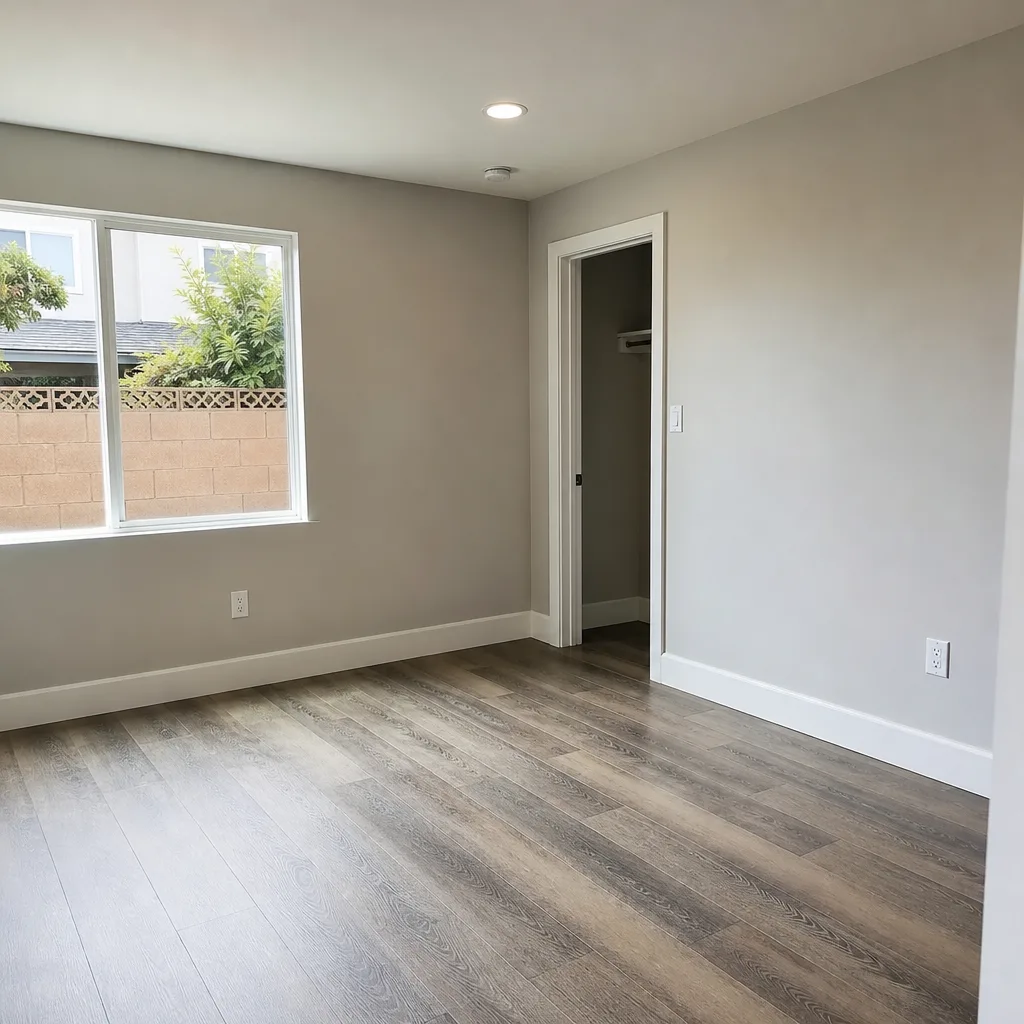
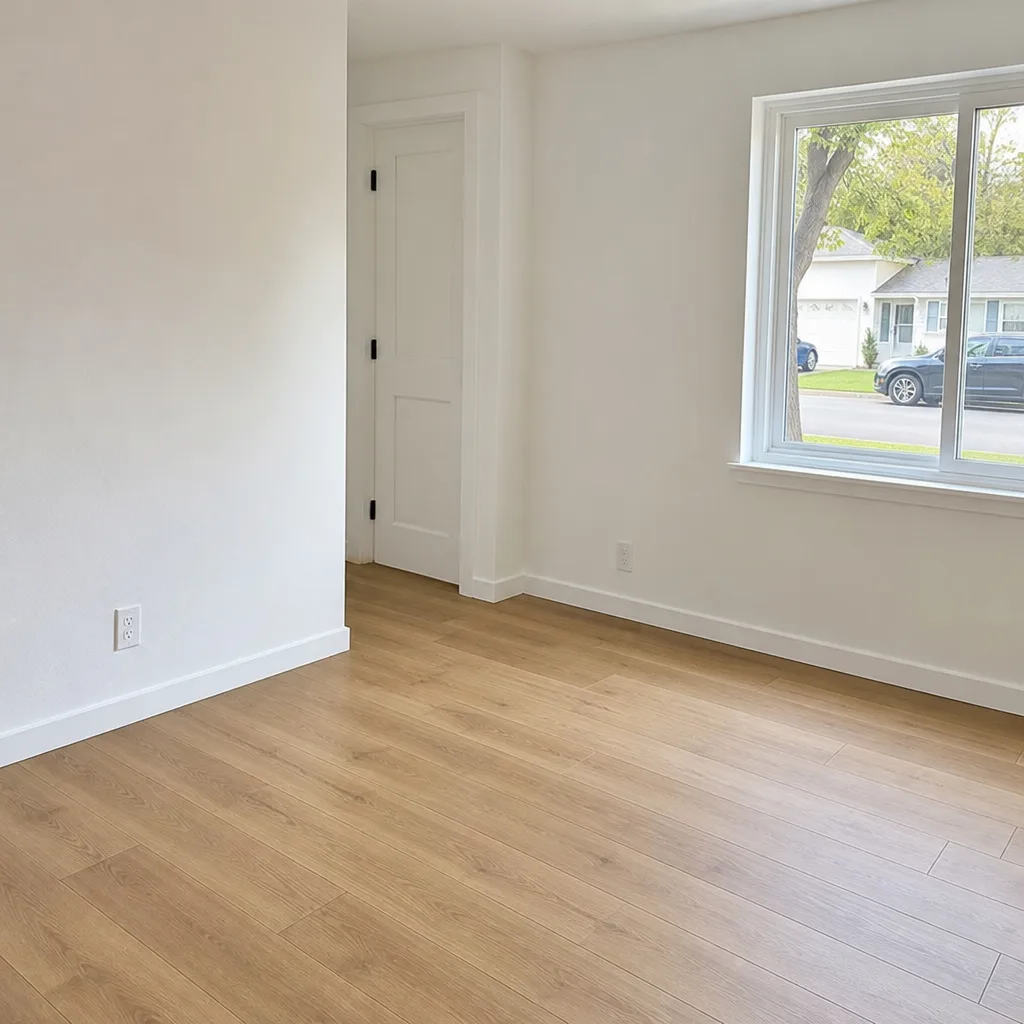
See the difference
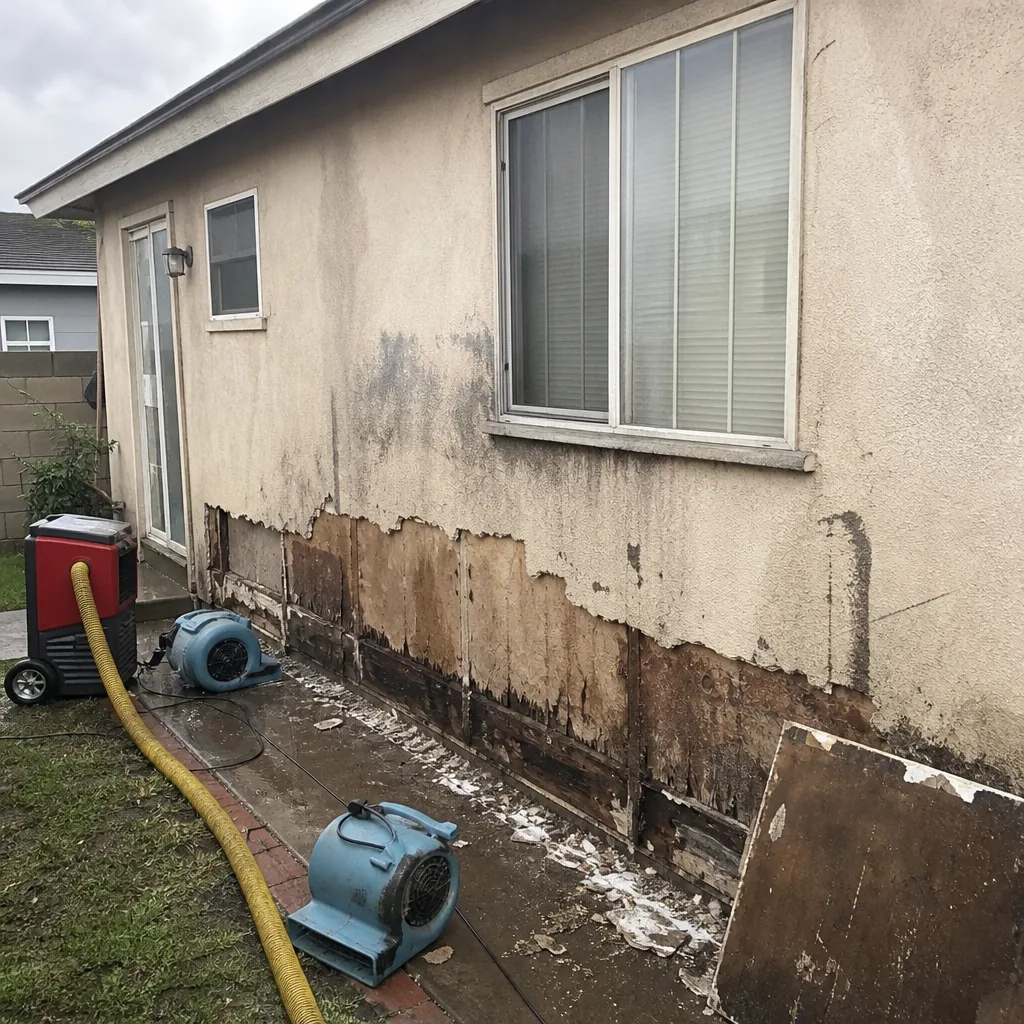 Before
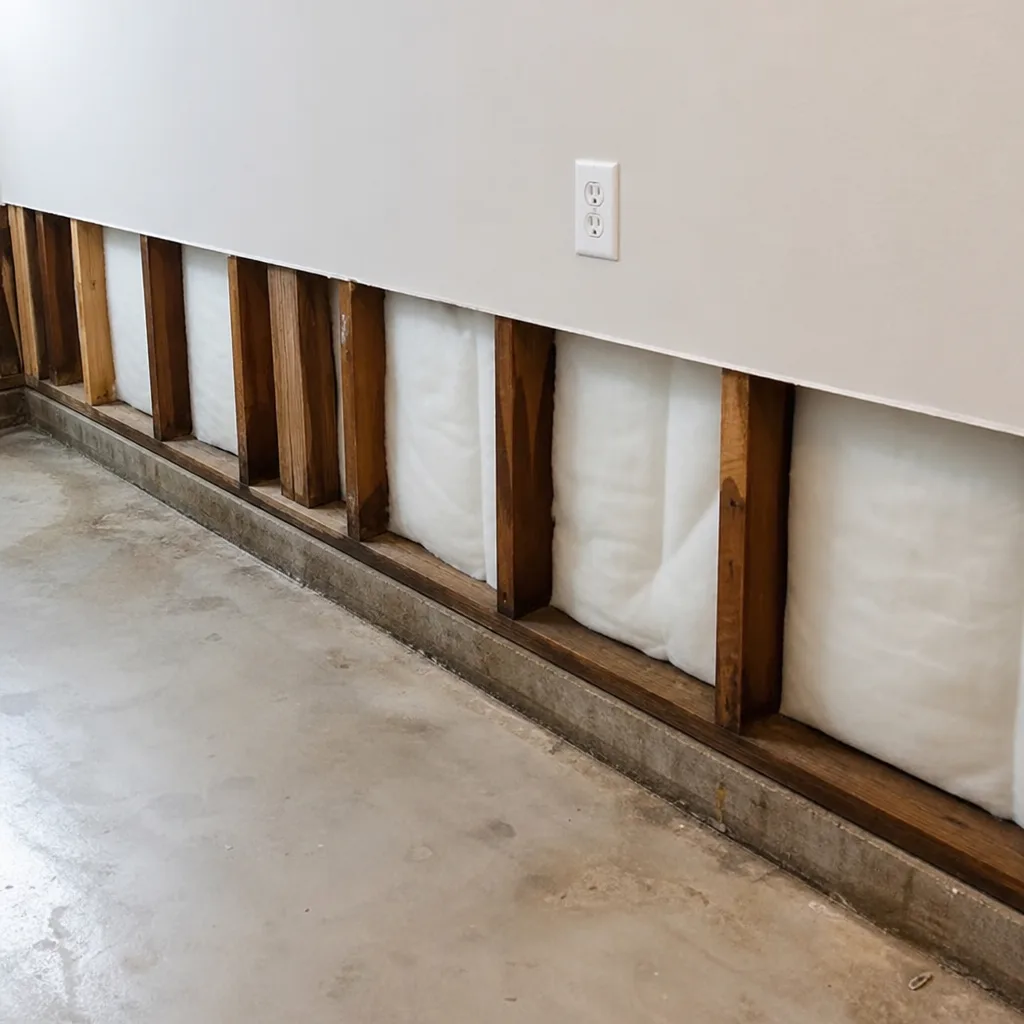 After
After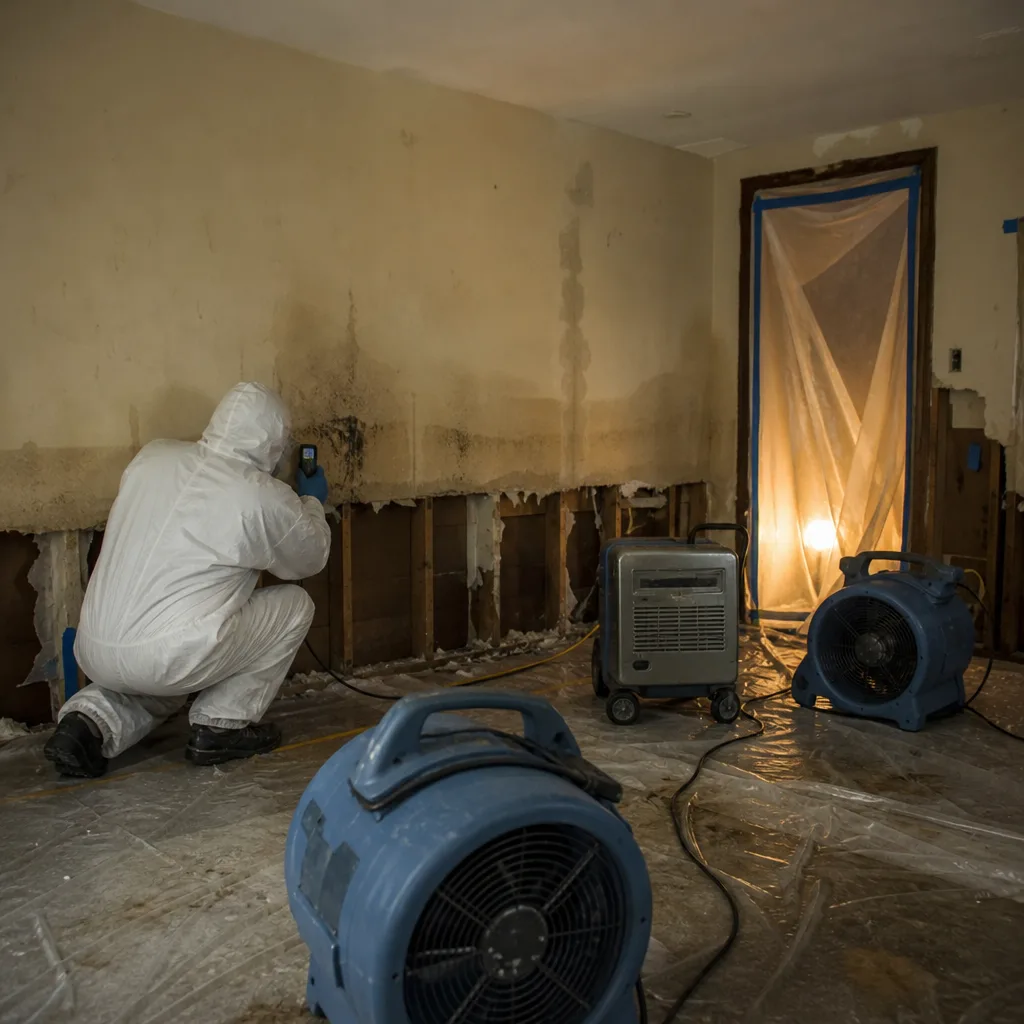 Before
 After
After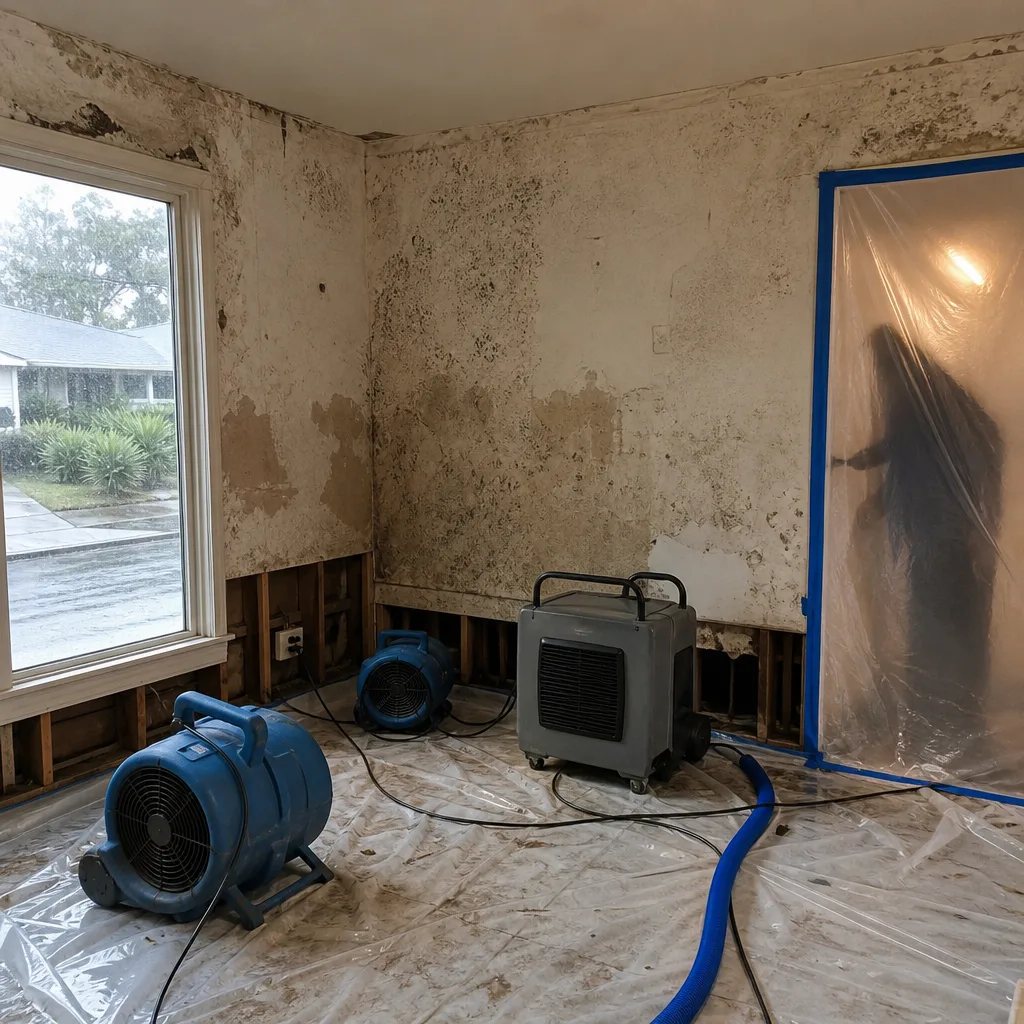 Before
 After
After