
Last updated October 16, 2026
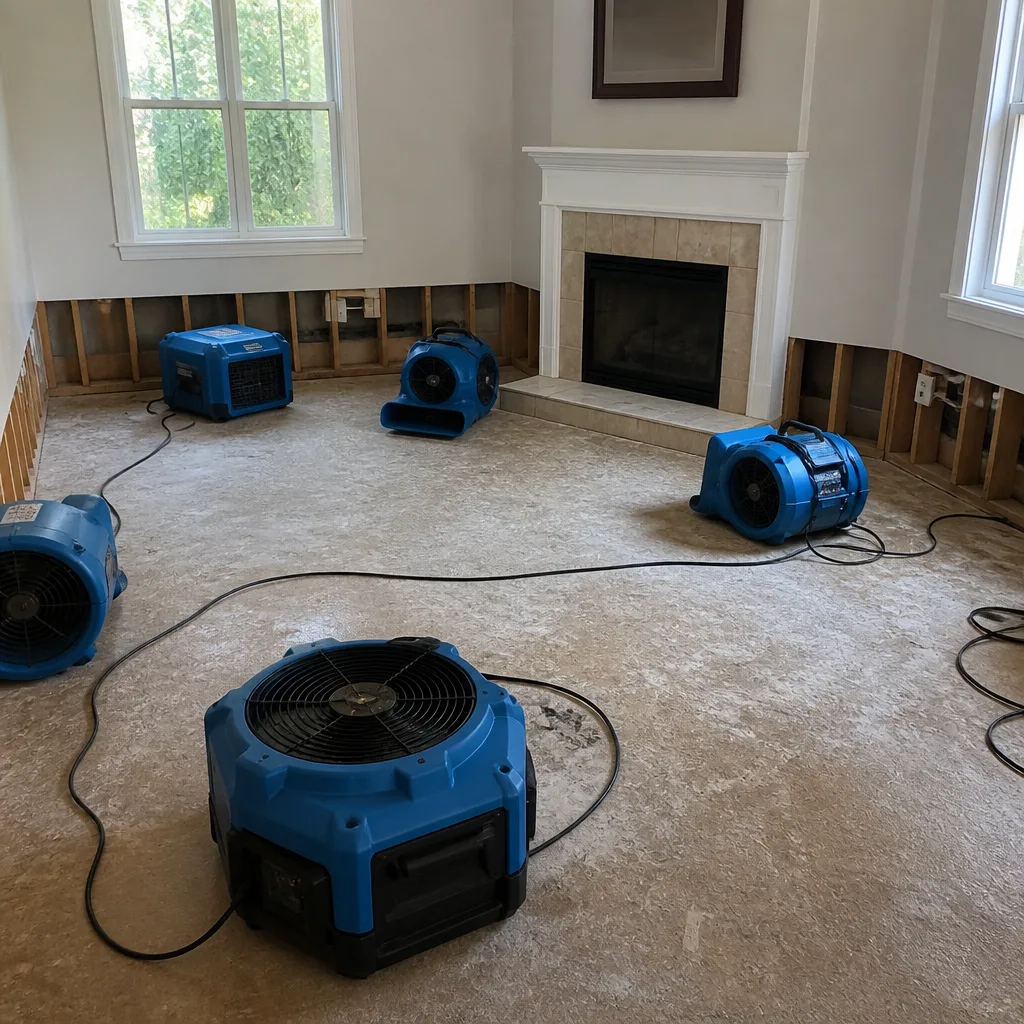 Water damage drying
 Fire & smoke cleanup
 Mold remediation
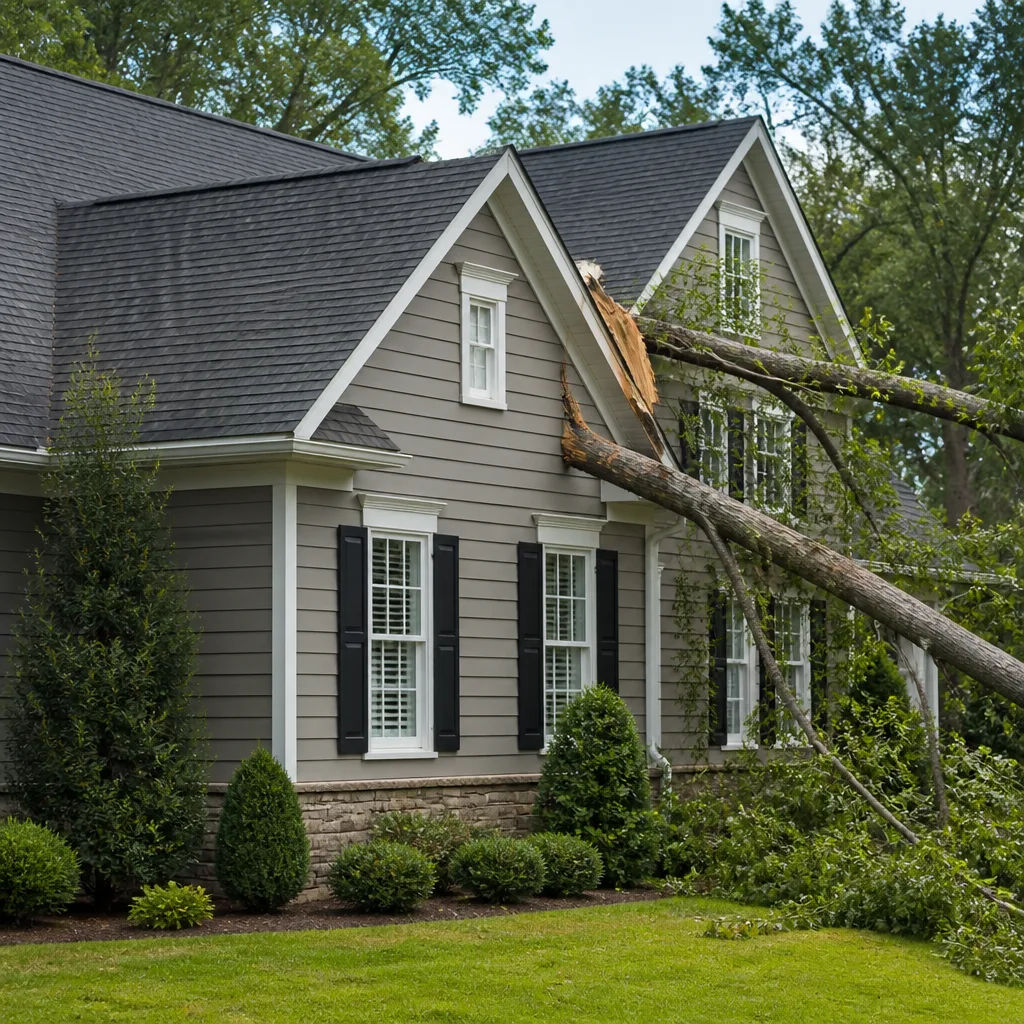 Storm response
 Sewage cleanup
 Reconstruction
Free visual inspection and a written scope of work before any mitigation begins - photos, moisture readings, and drying logs go in your claim file
The scope we write is the scope we bill. Anything new gets shown to you, in writing, before we touch it.
Get your free estimateThe Complete Guide to Damage Restoration in Torrance
FEMA data shows that secondary water damage, the mold, structural rot, and compromised drywall that follows the initial event, accounts for more repair cost than the original incident in roughly 40% of residential claims. The primary event isn’t always the expensive part; the delay after it is. In Torrance, where marine-layer humidity hangs over the South Bay for much of the year, that delay gets even more expensive. This guide walks through what actually happens in the first 72 hours after water, fire, or mold damage, what each milestone means for your repair cost, and how the decisions made in that window either contain the problem or multiply it. For damage restoration warning signs every Torrance homeowner should know, see our dedicated reference.
Quick Answer
Damage restoration in Torrance means acting inside a 24-to-72-hour window with a written scope of work, professional-grade drying equipment, and full documentation for your insurance claim. Water damage needs extraction and drying within 48 hours before mold takes hold; fire damage requires immediate boarding and soot stabilization; mold remediation requires containment before disturbed spores spread. The single most important decision is picking a contractor who puts the price in writing before work starts and documents every step to a standard your insurer recognizes.
Restoration work we handle
Table of Contents
- The 24/48/72-Hour Window: Why Every Restoration Type Starts the Same Way
- Water Damage Restoration: What Happens Hour by Hour
- Fire Damage Restoration: The Soot You Can’t See
- Mold Remediation: Containment Comes First
- How Torrance’s Marine Layer Changes Drying Timelines
- Mitigation vs. Remediation vs. Reconstruction: Why the Words Matter
- How to Read a Restoration Estimate Line by Line
- LADBS Documentation: What Paperwork Protects You at Resale
The 24/48/72-Hour Window: Why Every Restoration Type Starts the Same Way
Water, fire, and mold feel like three separate emergencies. They’re not. All three share a single failure point: the decisions made in the first 72 hours determine whether you’re looking at a contained repair or a full rebuild. Here’s the decision tree we walk through on every Torrance job.
Hour 0 to 24: Stabilize. Water gets extracted, fire sites get boarded up, mold gets contained. The goal is stopping the active damage. Nothing gets rebuilt yet. If a contractor starts tearing out drywall before extraction, they’re doing it backwards.
Hour 24 to 48: Dry and document. This is where professionals separate from patch crews. Air movers and dehumidifiers run continuously. Moisture readings get taken throughout the affected area, not just at the visible damage. Photos, measurements, and scope notes get compiled to support your insurance claim.
Hour 48 to 72: Assess and plan. Mold that hasn’t been addressed by hour 48 is now actively colonizing. Structural materials that stayed wet past hour 72 start losing integrity. At this point, the written scope of loss should be in your hands, and the rebuild plan should be scheduled.
Torrance homes built in the 1950s and 1960s, common in neighborhoods like Old Torrance and the area around Torrance Boulevard, often have plaster walls that hold moisture differently than modern drywall. That changes drying times and it changes cost. A crew that doesn’t know the difference will either under-dry or over-demo, and both mistakes hit your pocketbook.
Water Damage Restoration: What Happens Hour by Hour
Water damage restoration in Torrance follows a sequence that doesn’t change based on the source: burst supply line, water heater failure, appliance overflow, or a roof leak opened by winter rain. Here’s what should happen in order.
Step 1: Source Isolation (Hour 0)
The water source gets shut off and isolated. If the source is a supply line, that’s a valve. If it’s a roof leak, that’s a temporary tarp. If a technician shows up and starts drying without isolating the source, they’re wasting your time and your money.
Step 2: Extraction (Hour 1 to 4)
Standing water gets extracted using professional-grade equipment. We run Dri-Eaz and XPOWER extraction units on our Torrance jobs. The goal is getting visible water out before it wicks into baseboards, cabinetry, and subfloor. Carpet that sat underwater for more than 72 hours is usually a loss; padding is almost always a loss. The absorbent underlayment traps water against concrete slab floors, which are common in Torrance ranch-style homes.
Step 3: Drying (Hour 4 to 72)
Air movers and dehumidifiers go in. This is where psychrometrics, the science of air moisture and temperature, drives decisions. A proper drying plan accounts for the room’s cubic footage, the moisture content of the affected materials, and the ambient humidity outside. Torrance’s coastal air runs 65% to 85% relative humidity most mornings, which means drying equipment works harder here than it does in, say, Riverside or Santa Clarita. Desiccant dehumidifiers, the type we select from brands like Phoenix and B-Air, pull moisture from the air more aggressively than refrigerant units when humidity is high.
Step 4: Moisture Verification (Hour 48 to 72+)
Before any rebuild starts, moisture meters confirm the structure is dry. This isn’t a visual check. A professional takes readings from wall cavities, subfloor, and framing. If materials are closed up while still wet, mold grows behind the new drywall. That’s the classic cause of “we fixed it and it came back” complaints.
Torrance water damage costs typically run from $2,500 for a contained bathroom overflow to $35,000-plus for a whole-house supply line break that soaked multiple rooms and the subfloor. The range is wide because the first 24 hours of decisions swing it dramatically. Call Water Damage Restoration in Torrance early, and the scope stays small.
Fire Damage Restoration: The Soot You Can’t See
Fire damage in Torrance homes is rarely a full burn. More often it’s a kitchen fire contained to the stove and surrounding cabinets, an electrical fire in a wall, or a chimney event. The fire gets put out quickly, but the damage has already traveled.
Soot is acidic. It etches glass, corrodes metal fixtures, and permanently stains painted surfaces if not neutralized within days. It also moves. Soot particles are small enough to travel through HVAC systems and settle in rooms that never saw flame. That’s why professional fire restoration starts with containment and air scrubbing, not with painting.
The Fire Restoration Sequence
- Board-up and tarp (Hour 0 to 6): Openings get sealed to prevent weather intrusion and vandalism. Torrance’s coastal wind can push rain through a broken window fast.
- Soot assessment and surface testing (Hour 6 to 24): Technicians test surfaces to determine soot type. Protein soot from food fires behaves differently than synthetic soot from burning plastics. Each needs a different cleaning agent.
- Air scrubbing (Hour 24 to 72): HEPA air scrubbers run continuously to pull airborne soot particles out of the environment. Carpet, upholstery, and ductwork may need replacement or specialized cleaning.
- Content cleaning and pack-out (Day 3 to 7): Salvaged belongings get cleaned, deodorized, and stored. Items that can’t be restored get documented for the insurance claim.
- Structural cleaning and sealing (Day 5 onward): Surfaces get cleaned, then sealed to lock in odors. Only after this happens does rebuild work begin.
Fire restoration in Torrance typically costs between $4,000 and $60,000 depending on fire size, soot spread, and whether structural framing was compromised. If the fire department used water to knock down the blaze, add water damage to the scope. Fire Damage Restoration in Torrance almost always involves overlapping systems: soot, water, and odor.
Mold Remediation: Containment Comes First
Mold is the damage type Torrance homeowners most often try to handle themselves, and it’s the one where DIY mistakes are most expensive. The instinct is to scrub it with bleach and paint over it. That fails for two reasons. Bleach doesn’t penetrate porous materials. And dead mold spores still trigger allergic reactions and asthma in sensitized people.
Professional mold remediation follows a strict sequence that starts with containment, not cleaning.
The Remediation Sequence
- Containment (Hour 0 to 4): The affected area gets sealed off with plastic sheeting and negative air pressure. This prevents spores from spreading to unaffected parts of the house during the work. Skipping this step is the single most common cause of “mold came back worse” outcomes.
- Source Identification (Hour 4 to 8): Mold is a symptom. The moisture source that fed it, a leak, a humidity problem, a failed vapor barrier, has to be found and corrected. Torrance homes with raised foundations are vulnerable to moisture wicking up through crawl spaces, especially in lower-lying streets near the Torrance airport corridor.
- Material Removal (Hour 8 to 24): Porous materials with heavy growth, drywall, carpet, insulation, get removed and bagged. Non-porous surfaces get cleaned with antimicrobial agents appropriate to the mold species.
- Drying and Verification (Hour 24 to 72): The area gets dried, then tested. A proper remediation ends with documentation showing the moisture source is fixed and airborne spore counts are back to normal background levels for Torrance’s coastal environment.
Mold remediation in Torrance runs from $1,800 for a small bathroom containment to $30,000-plus for crawl space colonization that spread through the HVAC system. The cost driver is containment complexity and material replacement. Mold Remediation in Torrance should never be quoted sight-unseen; a real scope requires moisture mapping and, often, air sampling.
How Torrance’s Marine Layer Changes Drying Timelines
Torrance sits in a narrow coastal belt where marine-layer stratus rolls in most summer mornings and burns off by early afternoon. That humidity pattern matters for restoration work in ways inland homeowners never deal with.
Outdoor air in Torrance averages 65% to 85% relative humidity overnight and in the early morning. When a restoration crew runs air movers in a wet home, the evaporation they create has to go somewhere. If the indoor air is already saturated, evaporation slows. That’s why desiccant dehumidifiers are standard equipment for coastal restoration work. Refrigerant units work fine in dry inland climates, but they struggle at Torrance’s humidity levels. The same property in West Torrance and East Torrance can have different drying timelines because East Torrance sits slightly further from the ocean and runs a few degrees warmer in summer.
What this means for you: if a contractor quotes a three-day drying time based on equipment they’d use in Phoenix, that number doesn’t hold here. Torrance drying jobs often run four to five days, sometimes longer in winter months when the air stays damp all day. A written drying plan should account for Torrance’s climate. If a contractor can’t explain how humidity affects their timeline, they’re guessing.
Mitigation vs. Remediation vs. Reconstruction: Why the Words Matter
These three terms get thrown around interchangeably by contractors who want to blur pricing lines. They’re different scopes with different documentation requirements, and confusing them leads to surprise invoices. Understanding damage restoration cost breakdowns for Torrance homeowners helps you spot these pricing traps before they hit your invoice.
- Mitigation is stopping the active damage. Extracting water, boarding up a fire site, containing mold. It happens first, fast, and usually under the emergency services provision of your insurance policy.
- Remediation is removing the contamination. This applies mostly to mold and to fire soot and odor. It involves cleaning, antimicrobial treatment, and material removal. Remediation requires more documentation than mitigation: before/after photos, moisture readings, containment records, and sometimes lab results.
- Reconstruction is putting the house back. Drywall, flooring, paint, cabinets. This work is scoped, scheduled, and priced in writing like a remodel. It is not emergency work. No legitimate contractor promises same-day reconstruction.
A scope gap happens when a contractor bills you for mitigation, then “discovers” remediation was needed, then folds both into a reconstruction estimate without separating the line items. A written scope of loss prevents this. At Keegan Restoration Torrance, every estimate separates mitigation, remediation, and reconstruction line items so you can see exactly which phase you’re paying for and submit the right documentation to your adjuster.
How to Read a Restoration Estimate Line by Line
Most homeowners skip to the bottom number on an estimate. That’s the mistake that gets expensive. Here’s how to read a restoration estimate so you understand what you’re paying for.
Standard Line Items to Look For
- Emergency services: After-hours dispatch, board-up, temporary power. This should be a line item, not a vague fee.
- Labor hours by trade: Extraction technicians, drying technicians, remediation crews. Hours should be itemized, not lumped.
- Equipment rental by day: Air movers, dehumidifiers, air scrubbers. Each piece should be listed with a daily rate and number of units. Professional-grade equipment brands, including Dri-Eaz, Phoenix, XPOWER, and B-Air, run $35 to $80 per unit per day depending on type.
- Materials: Drywall, insulation, flooring, antimicrobial agents, sealants. Quantity and unit price should be listed.
- Content manipulation: Pack-out, cleaning, storage. This is a separate scope from structural work.
- Guarantee clause: The written commitment the contractor makes to you. At Keegan, this is the 365-Day Done Right Promise: if the repair fails within one year, we make it right at no charge, with a free second visit.
Red Flags on Estimates
- Vague descriptions like “drying services” or “remediation work” without equipment counts or hours.
- No mention of industry standards. Look for references to IICRC, RIA, or IFA compliance in the scope.
- No written guarantee language. A contractor who won’t put their warranty in writing doesn’t stand behind the work.
- One lump sum with no line items. That’s a number, not an estimate.
A professional estimate in Torrance should take 30 to 60 minutes to walk through with the contractor. If they can’t explain every line item in plain language, walk away. The Garrison Standard, the operating framework Kevin Restoration Torrance runs every job against, requires a written price before any work starts, with line items you can verify against the work performed.
LADBS Documentation: What Paperwork Protects You at Resale
Los Angeles Department of Building and Safety (LADBS) requires permits for structural repairs in Torrance, including any work that touches framing, electrical, plumbing, or structural walls. For a deeper look at requirements, see our guide to damage restoration permits, codes & inspections in CA. Cosmetic repairs, drywall replacement, flooring, and painting, don’t need permits. But the documentation from unpermitted work still matters.
When you sell a Torrance home, buyers and their inspectors will ask whether past water, fire, or mold damage was properly addressed. What protects you at resale is a paper trail: moisture readings taken after drying, photos from before and after remediation, receipts for equipment and materials, and the written guarantee from your restoration contractor.
Here’s what that documentation package should include:
- Initial assessment photos: The damage as it existed when the crew arrived.
- Moisture map: Where moisture readings were taken and what they showed before and after drying.
- Equipment logs: What equipment ran, for how many days, in which rooms.
- Material replacement list: Exactly what got removed and what replaced it.
- Final verification: Post-dry moisture readings, post-remediation air sample results if applicable.
- Written guarantee: The contractor’s warranty in writing, with a clear start date and duration.
In our experience on Torrance restoration jobs, homeowners who have this documentation navigate insurance claims faster and close sales with fewer repair contingencies. The paperwork isn’t just for your adjuster. It’s proof the work was done correctly, and it stays with the house.
Common Mistakes to Avoid
- Waiting to call because “it doesn’t look that bad.” Water damage behind walls and under flooring is invisible for the first 48 hours. By the time you see it, the repair scope has already grown. Torrance’s humidity accelerates this timeline compared to inland ZIP codes.
- Booking the cheapest bid without reading the line items. A low price usually means fewer equipment days, less thorough extraction, or missing documentation. All three cost more later.
- Letting a contractor start work without a written price. Under California law, home improvement work over $500 requires a written contract. A contractor who works off a verbal number is not following the law, and protection for you is minimal.
- Scrubbing mold with bleach. Bleach doesn’t penetrate drywall or wood, and it doesn’t address the moisture source. You’re buying a few weeks of cleaner appearance and a bigger remediation bill later.
- Reopening rooms before drying is verified. If a contractor says “feels dry to me” and starts hanging drywall, stop them. Moisture verification takes a meter, not a touch test.
- Throwing away damaged items before documenting them. Your insurance claim depends on photos and a written inventory. Once items are in the dumpster, they don’t exist for your adjuster.
- Hiring separate contractors for water, fire, and mold without a single scope of loss. Fragmented scopes create finger-pointing when the repair fails. One contractor with one written scope and one guarantee is simpler to hold accountable.
See the difference
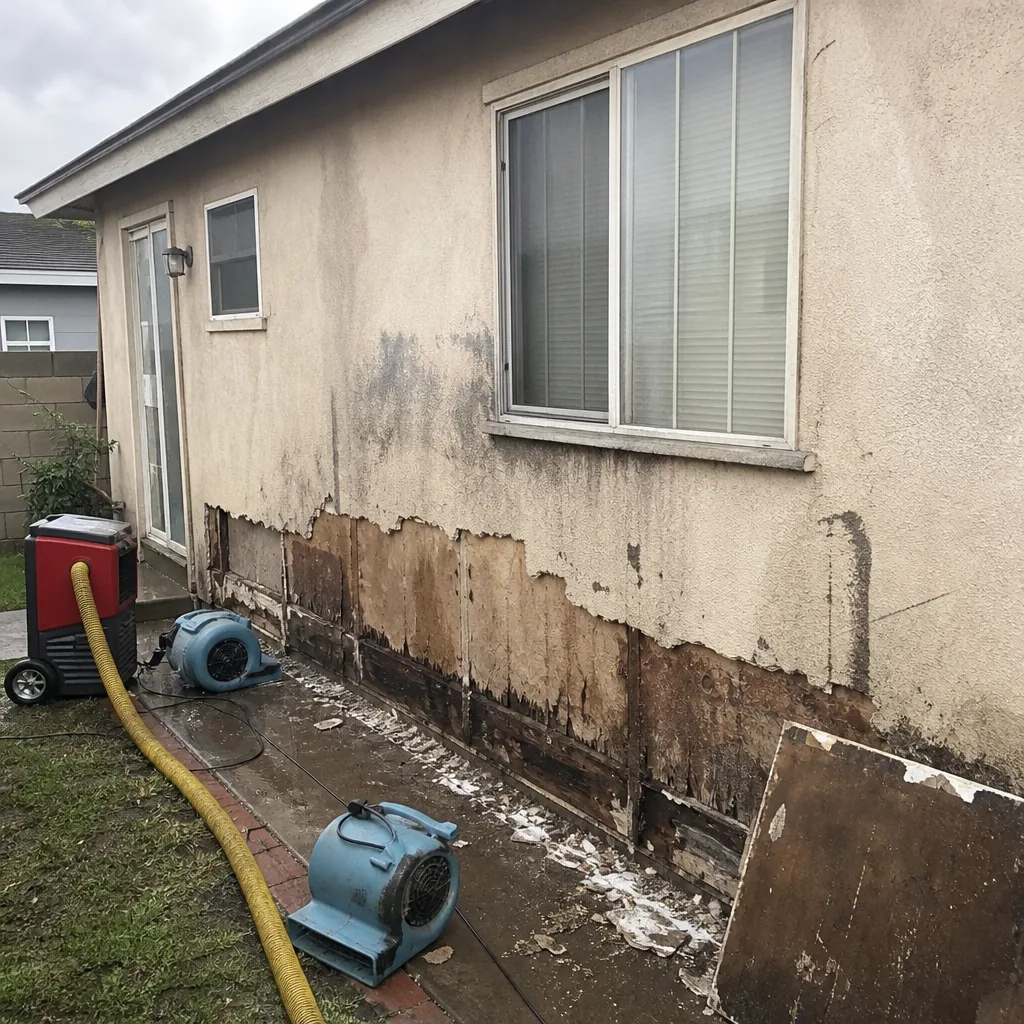 Before
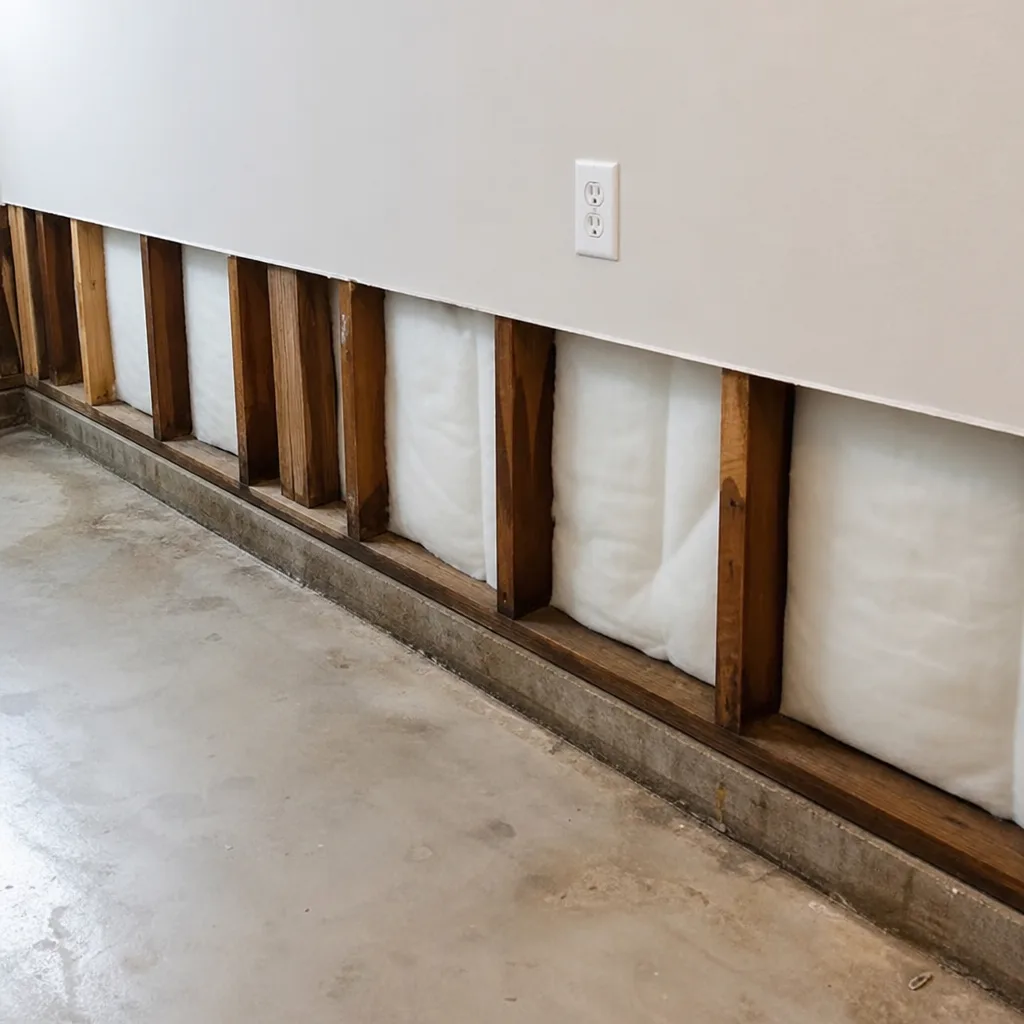 After
After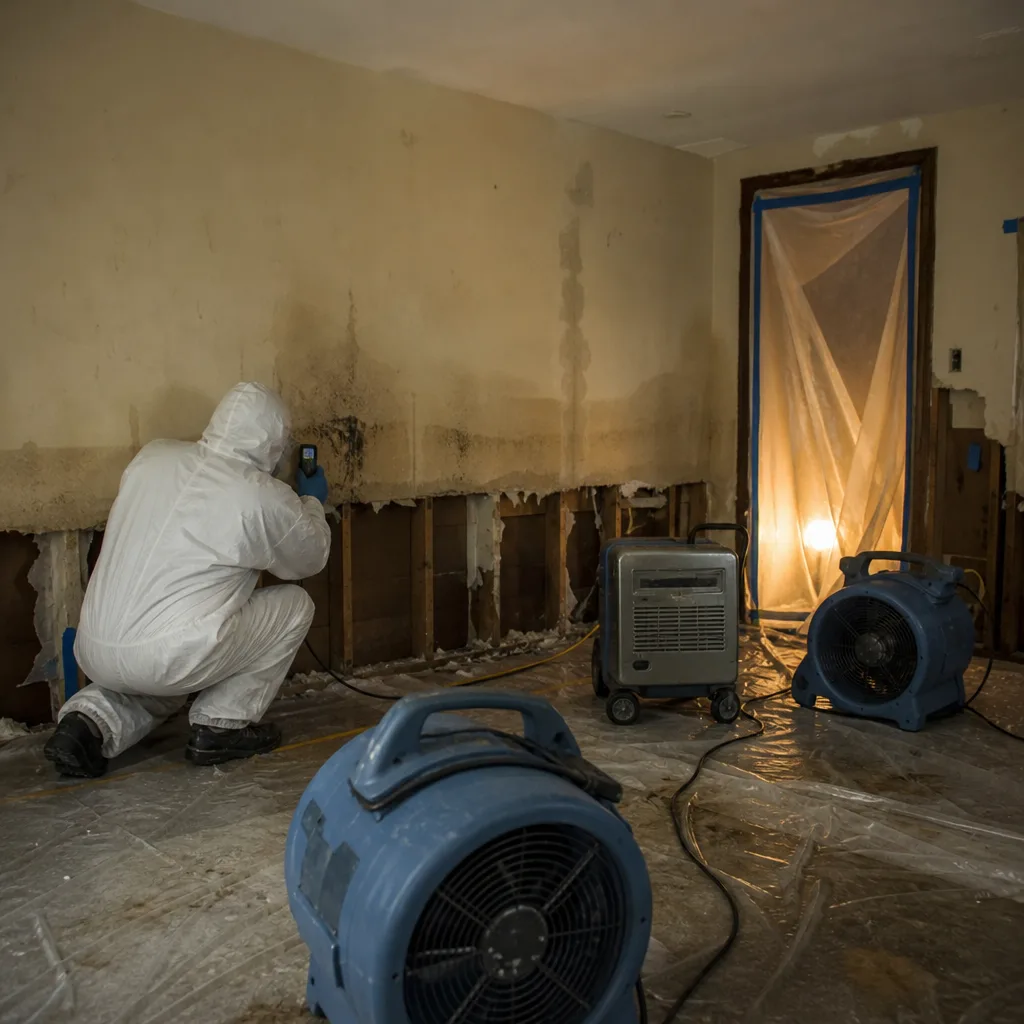 Before
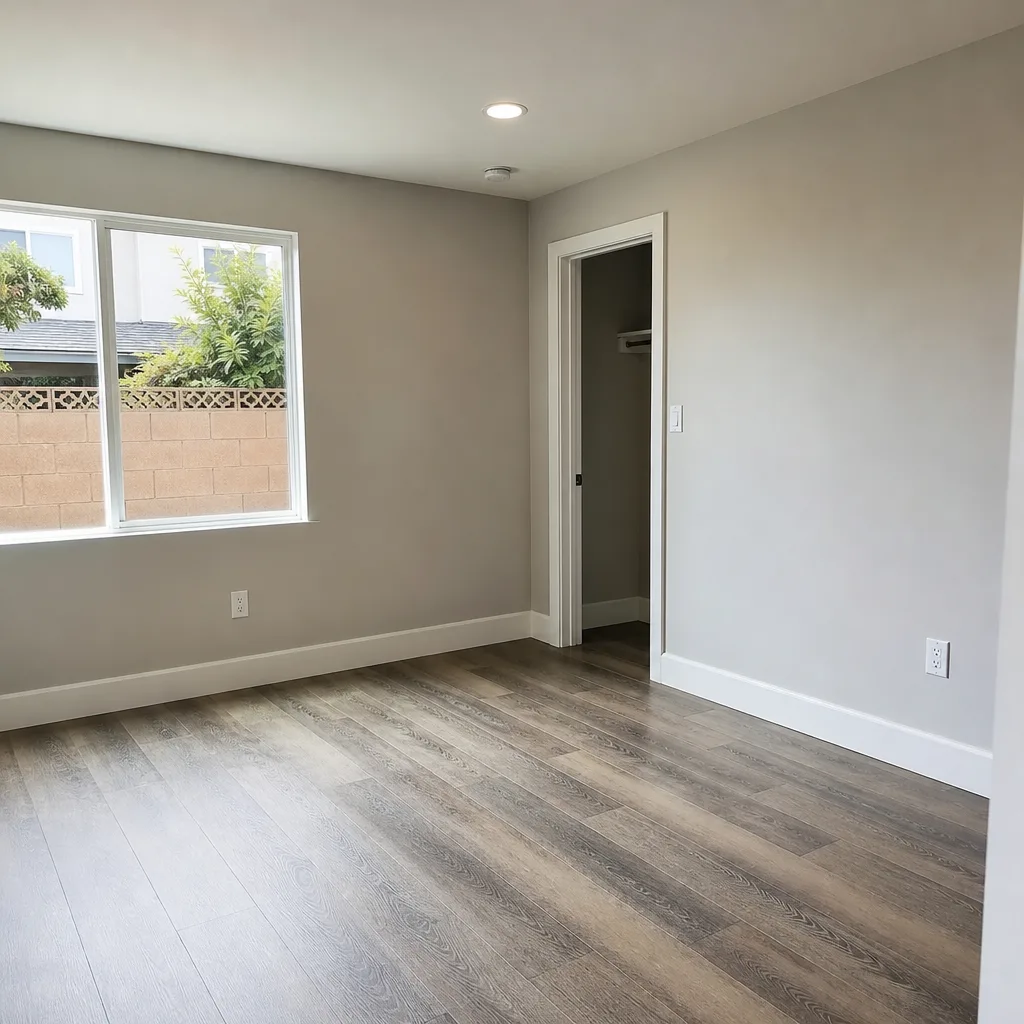 After
After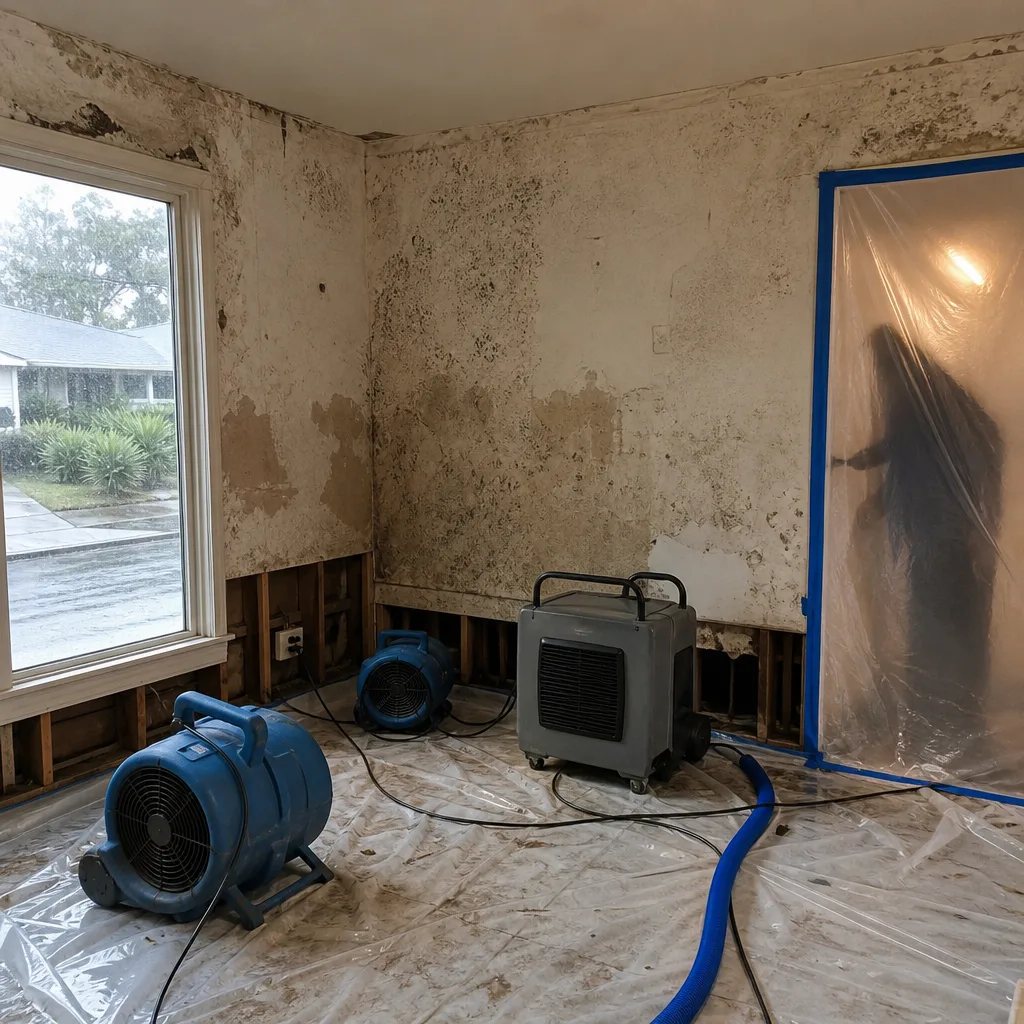 Before
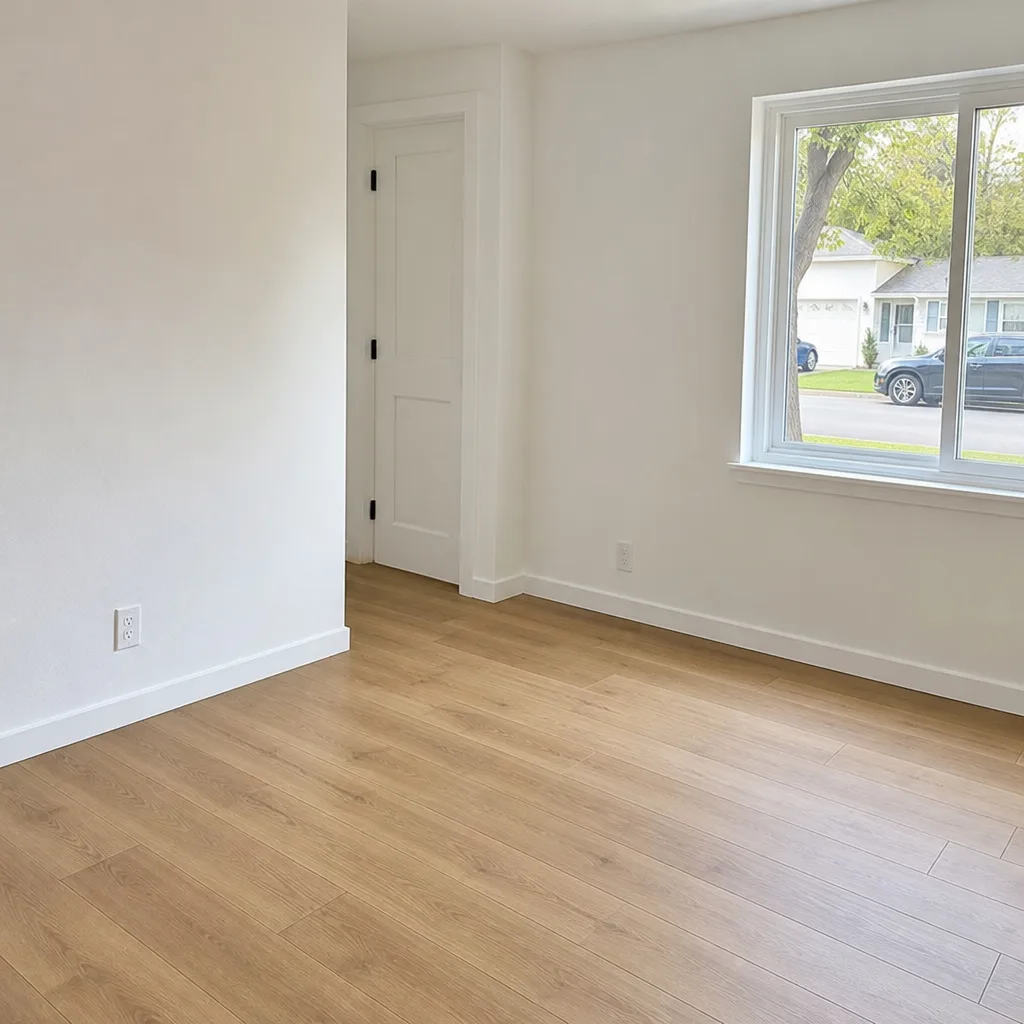 After
AfterWhen to Call a Professional
Call a professional restoration company the moment you discover water that has soaked into walls, flooring, or cabinetry, any fire damage beyond a scorch mark, or mold growth larger than a dinner plate. If you smell musty odors but can’t see the source, call. If water was standing for more than 24 hours, call. If your insurance adjuster needs documentation before approving coverage, call. Keegan Restoration Torrance offers free estimates in Torrance. Call (424) 323-4271, and a live person answers 24 hours a day, 7 days a week. We’ll send background-checked, uniformed technicians with a written scope of work before anything starts. For more guides & resources on protecting your home, visit our blog.
Frequently Asked Questions
Water damage restoration in Torrance typically runs $2,500 to $35,000, fire damage $4,000 to $60,000, and mold remediation $1,800 to $30,000, depending on the affected square footage and materials involved. The final number depends on how fast the mitigation started and whether documentation supports your insurance claim. Call (424) 323-4271 for a free, written estimate.
Keegan Restoration Torrance answers calls with a live person 24/7 and can usually dispatch a crew to a water damage call in Torrance within a few hours, nights and weekends included. The first 24 hours are the most critical for stopping the spread of damage. Call (424) 323-4271 immediately if water is actively entering your home.
Most Torrance homeowners policies cover sudden and accidental water damage, fire damage, and mold that results from a covered event. Coverage depends on your policy, your deductible, and the documentation provided. We format every job’s photos, moisture readings, and scope of loss to support your insurance claim and coordinate directly with adjusters. Your policy details determine coverage; our documentation makes the claim easier to approve.
If mold growth covers more than about 10 square feet, if it has penetrated porous materials like drywall or carpet, or if there’s a hidden moisture source, you need full remediation with containment, not surface cleaning. Torrance’s coastal humidity means mold returns reliably when the moisture source and affected materials aren’t removed. A written assessment tells you which category you’re in.
Water damage restoration addresses the water itself: extraction, drying, and repairing the materials it damaged. Mold remediation addresses the microbial growth that follows, or may already be present. Water damage calls for drying and dehumidification; mold calls for containment, removal, antimicrobial treatment, and verification. Many Torrance jobs require both, which is why Keegan handles them under one scope of loss.
You do, but your restoration contractor should be communicating with the adjuster on your behalf. We provide documentation formatted to insurance industry expectations, meet adjusters on site, and make sure the scope of loss reflects what your policy covers. The more complete the documentation, the fewer surprises in your claim settlement.
The Bottom Line
Damage restoration in Torrance comes down to speed, documentation, and written commitments. The 24-to-72-hour window after water, fire, or mold damage determines whether you’re looking at a contained repair or a compounding problem. Torrance’s marine-layer humidity makes drying slower and mold faster, which rewards contractors who understand the local climate. The Garrison Standard at Keegan Restoration Torrance home means a written price before work starts, professional-grade equipment, background-checked technicians in uniform, and the 365-Day Done Right Promise on every repair. If damage has already happened, time is the variable you control. Call (424) 323-4271 now, and a live person answers.
Written by Shane Pruitt, Owner at Keegan Restoration Torrance, serving Torrance since 2005.